

With SCE rates at 34.5¢/kWh in 2026, charging your EV at home still costs half what you'd spend on gas—and with solar + battery storage, you can drive for free.
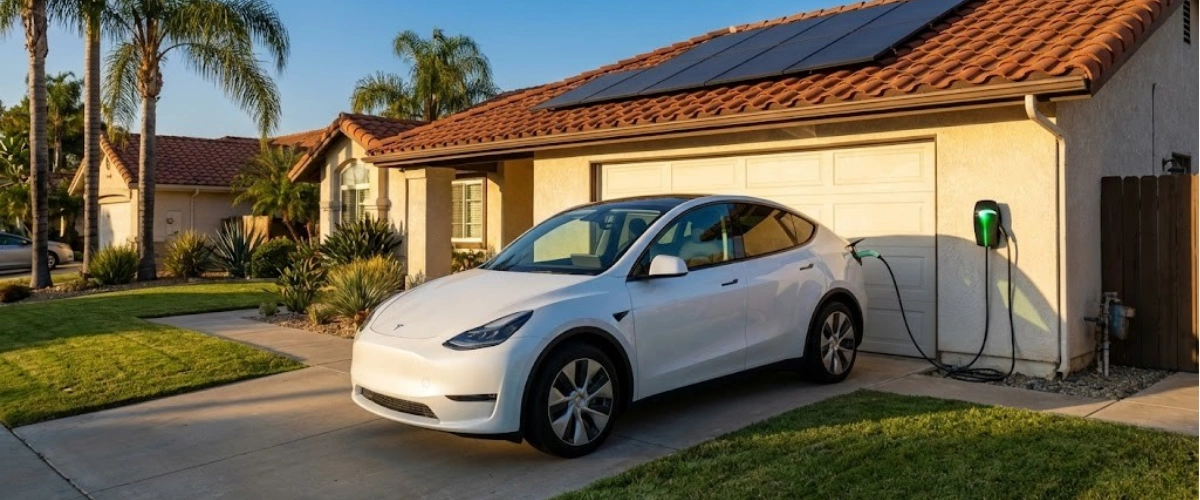
California leads the nation in electric vehicle adoption, with more drivers making the switch every year. But for Southern California homeowners—especially those served by SCE—the big question remains: How much does it actually cost to charge an EV at home compared to fueling a gas car?
The short answer: even with California's higher electricity rates, charging an EV at home is still significantly cheaper than buying gasoline. And with the right setup—like a Level 2 home charger paired with solar panels and battery storage—you can drive for pennies per mile, or even free.
Here's everything you need to know about EV charging costs in California for 2026, including updated SCE rates, smart charging strategies, and how solar power can eliminate your charging costs entirely.
As of January 2026, Southern California Edison (SCE) customers pay an average of 34.5 cents per kilowatt-hour (kWh) for residential electricity. With the California Climate Credit applied, that drops to about 33.2¢/kWh—but that's still 94% higher than the national average of 17.78¢/kWh.
Why are rates so high? Between wildfire mitigation investments, grid modernization, and infrastructure upgrades, SCE has increased rates by approximately 13% in recent months alone. If you're wondering why electricity bills are so high in Southern California, these infrastructure costs are a major driver.
But here's the good news: even at 34.5¢/kWh, charging an EV at home costs roughly half what you'd spend on gasoline for the same driving distance.
To understand your charging costs, you need to know two things:
Here's what it costs to fully charge common EV battery sizes at California's current rates:
Let's compare the cost to drive 150 miles:
Electric Vehicle (40 kWh battery):
Gasoline Car (25 mpg, $3.50/gallon):
Bottom line: You're saving about 5 cents per mile by driving electric—that's $600-$750 per year for the average driver (12,000-15,000 miles annually).
Rising electricity costs in Southern California aren't slowing down. SCE rates have increased 83% over the past 10 years, and 25% just since 2022.
Here's what's driving the increases:
For EV owners with high electricity usage, these increases hit even harder. The typical Southern California household uses 500-700 kWh per month. Add an EV, and you could use an additional 300-400 kWh monthly—pushing your bill up by $100-$140.
That's why more homeowners are turning to solar.
Charging at home is always the cheapest way to power your EV. Here's why:
Installing a Level 2 EV charger at home is your best investment. These chargers:
Some utilities, including SCE, offer rebates up to $1,500 for Level 2 charger installations, bringing your out-of-pocket cost down significantly.
You can charge using a regular 120-volt outlet, but it's slow—adding only 3-5 miles of range per hour. Fine for overnight charging if you drive less than 40 miles daily, but not ideal for most Southern California commuters.
While home charging is cheapest, you'll occasionally need public charging stations. Here's what you'll pay in California:
Reality check: Relying exclusively on public DC fast charging would cost you $1,800+ annually (based on 12,000 miles/year)—that's nearly as much as gasoline. Public charging should be your backup, not your primary strategy.
You can cut your home charging costs significantly by charging during off-peak hours. SCE's Time-of-Use rates vary dramatically by time of day:
Pro tip: Set your EV to charge automatically after 9pm. You'll save 30-50% on charging costs compared to peak-hour charging.
Some SCE plans offer even lower rates during super off-peak hours—as low as 24¢/kWh. Charging a 60 kWh battery during these hours costs just $14.40 instead of $20.70 at average rates.
Here's where it gets exciting: pairing your EV with solar panels and battery storage can eliminate your charging costs entirely.
Here's how it works:
A typical Southern California home with an EV needs:
Investment: $25,000-$35,000 (after available incentives)
Payback period: 6-8 years with current SCE rates
25-year savings: $75,000-$95,000 in electricity + gas costs
Want to know exactly how many solar panels you need for an EV in California? US Power offers free system sizing consultations.
Under NEM 3.0, solar-only systems don't make financial sense anymore. California's net billing policy pays you wholesale rates (2-5¢/kWh) for excess solar exported during the day—far less than the 34.5¢/kWh you pay to import power at night.
That's why battery storage maximizes your savings. Instead of selling solar power cheap and buying it back expensive, you store it and use it when you need it—including overnight EV charging.
Yes. Many Southern California homeowners are already doing it. Learn exactly how to charge your Tesla overnight with solar using a properly sized solar + battery system.
Let's look at real monthly costs for typical Southern California EV owners:
Compare to gas: $150-$250/month for equivalent driving
Monthly savings: $60-$180
Compare to gas: $150-$250/month
Monthly savings: $135-$250
Annual savings with solar: $1,600-$3,000 (electricity + avoided gas costs)
Charging an EV in California costs $12-$16 per full charge at home—about half the cost of gasoline. But with SCE rates continuing to climb, those savings are shrinking.
The smartest move? Lock in free charging for the next 25+ years with solar + battery storage.
Here's what makes US Power different:
✅ Exclusive QCells partner with factory-direct pricing (15-20% below market)
✅ American-made panels with 25-year comprehensive warranty
✅ 3-4 week installation timeline (fastest in Southern California)
✅ CSLB-licensed consultants who design systems for EV charging
✅ 180+ five-star Google reviews from satisfied homeowners
✅ No hidden fees or predatory contracts—transparent pricing guaranteed
We'll design a system sized specifically for your home and your EV, ensuring you generate enough solar power to cover both. Want to see how much solar panels cost in California for your home? Get a free quote in minutes.
EV charging in California is still cheaper than gasoline—but with electricity rates climbing every year, the savings gap is narrowing. The solution? Generate your own power with solar and never worry about rate hikes again.
US Power makes it easy. We design solar + battery systems specifically for Southern California EV owners, handle all permits and installations, and deliver systems in just 3-4 weeks from approval.
Stop paying SCE's rising rates. Start driving on sunshine.


our neighbors are cutting their bills in half, here is what it actually costs.
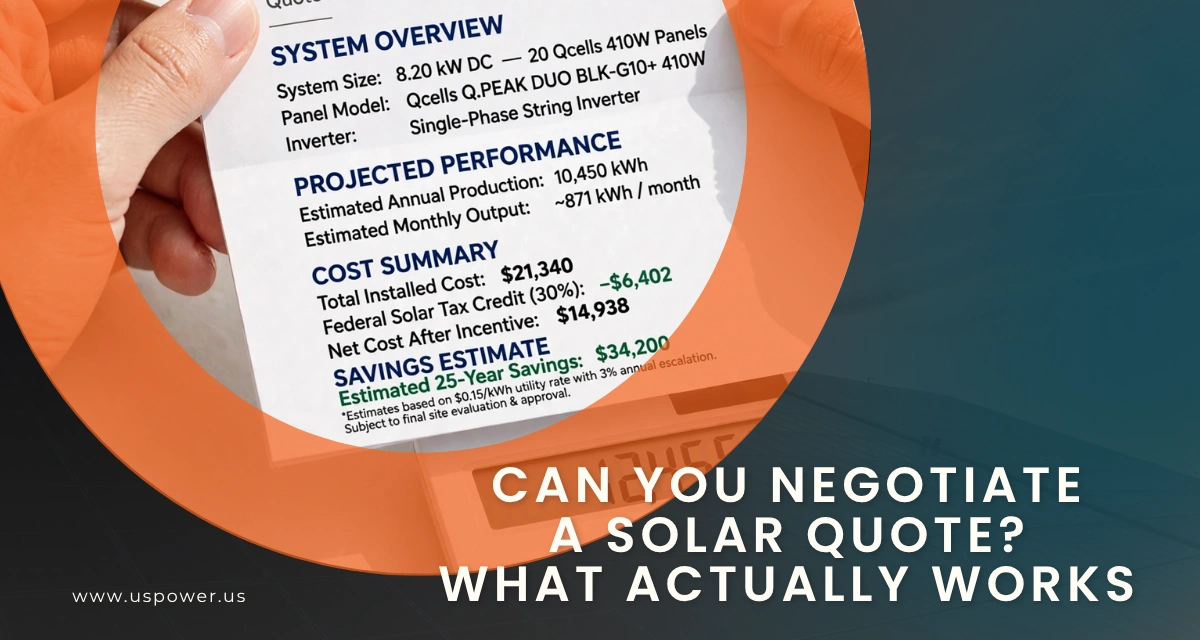
Yes, you can negotiate a solar quote, but factory-direct pricing wins bigger.
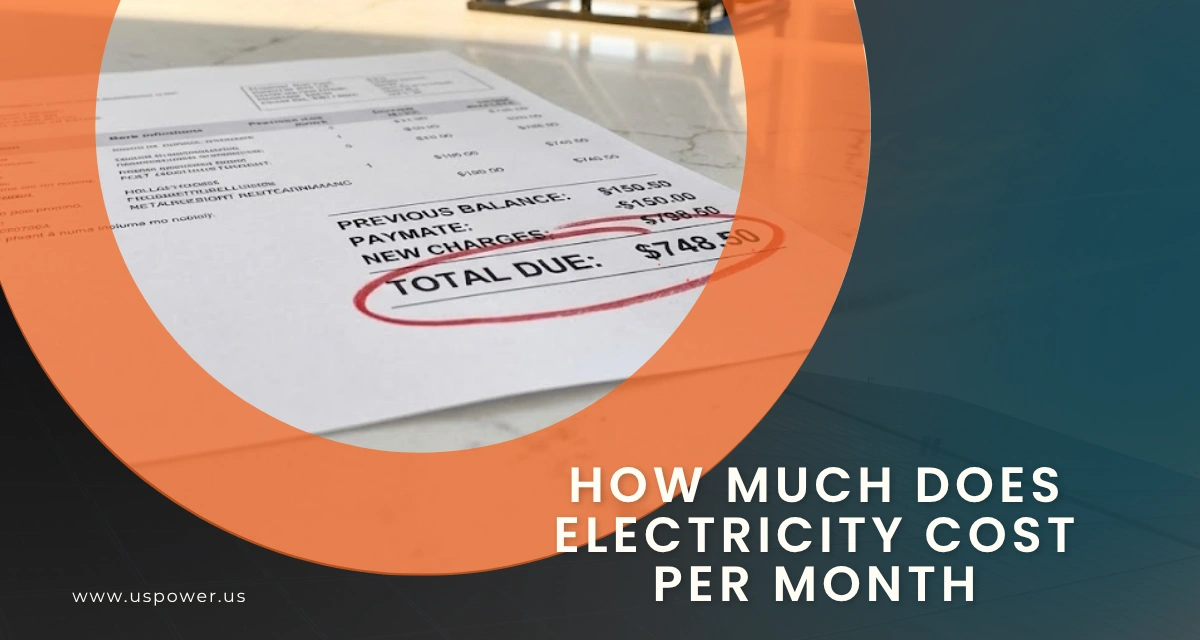
Your electric bill is rising every year. Here's what solar does to the number.









Copyright © 2026 US Power - Axia by QCells. All Rights Reserved.
Get an instant solar estimate using satellite!