

Southern California Edison's Solar Billing Plan has fundamentally changed how solar systems generate savings. With export credits 75% lower than previous programs and rising utility rates, understanding this new structure is critical for homeowners considering solar in 2026.
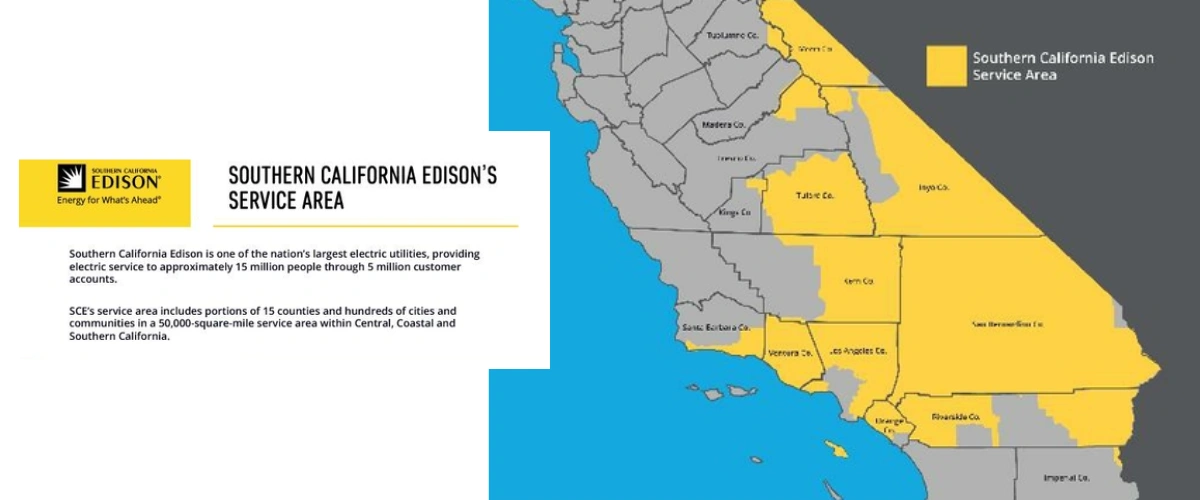
If you're a Southern California homeowner watching your electricity bill climb month after month, you're not alone. SCE customers saw an average 10% rate increase in 2025, adding $17-$20 per month to household costs. With additional 2-3% annual increases projected through 2028, relying on grid electricity is only getting more expensive.
Many homeowners are turning to solar energy with battery storage as a solution. But if you've researched going solar recently, you've probably heard about SCE's "Solar Billing Plan" or "NEM 3.0"—and you might be confused about how it affects your potential savings.
This guide breaks down exactly how SCE's current solar billing structure works, what changed from the old net metering system, and how you can still lock in substantial long-term savings under today's policies.
For over a decade, solar customers under Net Energy Metering (NEM) earned nearly dollar-for-dollar credits for excess energy sent back to the grid. That all changed in April 2023 when California introduced the Solar Billing Plan—often called NEM 3.0.
Under this new structure, solar customers face a fundamentally different economic model. When you import electricity from the grid, you pay full retail SCE's Time-of-Use rates. These rates vary by time of day, with the highest costs hitting during peak hours from 4-9 PM when most families are home cooking dinner, running air conditioning, and using appliances.
When your solar panels generate more energy than you're using, that excess flows back to the grid. You receive "Energy Export Credits" for this surplus energy—but here's the catch: these credits are typically 75% lower than what homeowners earned under previous NEM programs.
There's one critical deadline every SCE customer needs to know: January 1, 2028. If you interconnect your solar system before this date, your export rates are locked in for nine years. After this deadline passes, new solar customers will face whatever export rates SCE establishes—and there's no guarantee they'll be favorable.
This nine-year guarantee provides stability in an otherwise uncertain rate environment. But with typical solar installations taking 3-6 weeks from contract signing to Permission to Operate, waiting until late 2027 could mean missing this window entirely.
The dramatic reduction in export credits has fundamentally changed the solar value proposition. Under the old system, many homeowners didn't worry too much about when they used electricity—export credits made grid usage relatively painless.
Now, self-consumption—using your solar energy immediately rather than exporting it—is far more valuable. Every kilowatt-hour you consume directly from your panels is one less kilowatt-hour you purchase at retail rates. And every kilowatt-hour you export earns only a fraction of what you'd pay to buy it back during peak hours.
Understanding how to read your SCE electric bill can help you understand your current usage patterns and identify opportunities for maximizing self-consumption.
SCE's rates have been among the fastest-rising in the nation. Since 2020, the utility has implemented more than a dozen rate increases. The 10% jump in 2025 wasn't an anomaly—it's part of a continuing trend driven by infrastructure upgrades, wildfire mitigation costs, and grid modernization expenses.
For the average household paying $200 per month, that 10% increase means an extra $240 per year. Over five years, assuming conservative 2-3% annual increases, you're looking at paying thousands more just to maintain your current electricity consumption.
Understanding why electricity bills are so high in Southern California explores the underlying factors driving these increases and why they're unlikely to reverse course anytime soon.
Here's what makes rising rates particularly painful: they compound. A 3% increase on an already-increased rate means each year's hike builds on the previous year's total. By 2028, if projections hold, SCE customers could be paying 15-20% more than they did in 2025.
Solar panels paired with batteries give you the power to reduce—or in some cases nearly eliminate—your dependence on SCE's grid electricity. While you'll still maintain a connection for backup and occasional imports, your exposure to these relentless rate increases drops dramatically.
If you're considering solar without a battery system, you're leaving significant savings on the table under the current Solar Billing Plan. Here's why battery storage has shifted from "nice to have" to "essential" for most Southern California homeowners.
Because exported energy is now valued at a fraction of retail rates, every kilowatt-hour you send to the grid represents lost value. A battery system changes this equation fundamentally by allowing you to store excess daytime solar production and deploy it strategically.
During the day, your solar panels generate more electricity than your home typically uses. Under the old NEM system, excess generation flowed to the grid in exchange for valuable credits. Now, those exports earn minimal compensation.
With a battery, that excess energy charges your storage system instead. Then, during the costly 4-9 PM peak window when SCE rates hit their highest levels, your battery discharges to power your home. You avoid expensive grid imports while making full use of your solar production.
How Solar Batteries Maximize Your Savings provides detailed examples of how this strategy translates into real dollars on your monthly bill.
Battery storage also reduces your exposure to SCE's high Time-of-Use charges throughout the day. Instead of importing electricity whenever your solar production dips below your consumption, your battery fills the gaps.
This approach is particularly valuable during winter months when solar production naturally declines but energy needs remain high. Rather than importing expensive grid electricity on cloudy days, your battery helps smooth out these variations.
And there's a bonus many homeowners appreciate: energy independence during outages. While grid-tied solar systems without batteries shut down during power failures for safety reasons, systems with battery backup can keep essential loads running when the grid goes down.
Our guide on everything you need to know about solar and battery storage covers system sizing, integration considerations, and how to match battery capacity to your household's energy profile.
Understanding the Solar Billing Plan is one thing. Designing a system that actually maximizes your savings under these rules is another challenge entirely. That's where working with an experienced, local solar installer makes all the difference.
US Power is the exclusive Southern California partner for Axia by QCells, giving our customers direct access to American-made QCells panels at factory-direct pricing. This typically translates to 15-20% savings compared to market rates—critical when you're investing in both solar and battery storage.
High-efficiency panels matter more under NEM 3.0 because they generate more electricity in the same roof space. More production means more energy available for self-consumption and battery charging, which directly translates to lower grid imports and bigger savings.
Our CSLB-licensed consultants don't just size your system based on your current electricity usage. We analyze your Time-of-Use patterns, identify your peak consumption windows, and design solar-plus-battery systems specifically optimized for the Solar Billing Plan's economics.
This means right-sizing your battery capacity to cover your evening peak usage, positioning panels to maximize production during high-value hours, and configuring your system to prioritize self-consumption over exports.
With the January 2028 export rate lock-in deadline approaching, timing matters. US Power delivers a 3-4 week installation timeline from contract signing to Permission to Operate—significantly faster than the 8-12 weeks typical with many larger solar companies.
This efficiency comes from our streamlined processes, strong relationships with local permitting offices, and focus on the Southern California market. We're not juggling installations across multiple states—we're laser-focused on getting local homeowners online quickly.
If you're an SCE customer considering solar, here's your action plan for maximizing savings under the current Solar Billing Plan.
The nine-year export rate guarantee for systems interconnected before January 1, 2028 provides crucial protection against future policy changes. But with installation timelines, permitting requirements, and potential utility delays, you can't wait until December 2027 to start this process.
Starting your solar journey in 2026 gives you ample buffer to navigate any unexpected delays while ensuring you secure these locked-in rates.
Unless you have very unusual usage patterns or specific constraints, battery storage should be part of your solar investment under NEM 3.0. The economics have shifted dramatically enough that solar-only systems often take significantly longer to pay for themselves.
Your battery doesn't need to cover 100% of your evening usage—even partial coverage delivers meaningful savings by reducing peak-hour grid imports.
Not all solar companies have adapted their approach to the Solar Billing Plan's economics. Some still design systems using old NEM assumptions, which can leave you disappointed with your actual savings.
Our guide on choosing the right solar company in Los Angeles helps you identify qualified installers who understand Time-of-Use optimization, battery integration, and the specific requirements of SCE's interconnection process.
A quality solar proposal under NEM 3.0 should include detailed Time-of-Use analysis, not just annual production estimates. You want to see projected savings broken down by rate period, battery discharge strategies, and realistic payback calculations based on current SCE rates.
Learn more about what to expect during solar installation to understand the complete process from initial consultation through final activation.
SCE's Solar Billing Plan has fundamentally changed the economics of residential solar. Export credits that once made going solar a straightforward financial decision now require more strategic thinking about self-consumption, battery storage, and Time-of-Use optimization.
But here's what hasn't changed: with electricity rates climbing steadily and no relief in sight, homeowners who take control of their energy costs come out ahead. Solar-plus-battery systems designed specifically for NEM 3.0's structure can still deliver substantial savings—you just need the right approach.
The January 2028 export rate lock-in deadline provides a clear window of opportunity. Homeowners who act now secure nine years of rate stability while taking advantage of current equipment pricing and available installation capacity.
At US Power, we've designed hundreds of solar-plus-battery systems specifically optimized for SCE's Solar Billing Plan. Our factory-direct QCells partnership, 25-year comprehensive warranty, and focus on fast, quality installations give Southern California homeowners the confidence they need to make this investment.
Don't let rising SCE rates continue eroding your household budget. The window to lock in favorable export rates and maximize your savings won't stay open forever.


Everything about the 2025 California solar mandate for California homeowners.
EV slowdown sparks new solar opportunities for Southern California homeowners.

Southern California’s guide to solar-powered EV home charging from QCells + US Power.







Copyright © 2026 US Power - Axia by QCells. All Rights Reserved.
Get an instant solar estimate using satellite!