

Investing in solar in California is smart—but hidden costs like permit fees, utility charges, and maintenance can quietly erode your savings. Here's what to know before you sign.

Going solar in California is one of the smartest financial moves a homeowner can make. With utility rates climbing every year and sunshine in abundance, the ROI can be compelling.
But here's what most solar companies won't tell you upfront: the cost of your panels is only part of the picture. There are hidden expenses that quietly erode your savings—and if you don't know about them in advance, they can turn a great investment into a frustrating one.
At US Power, we believe in things you must know before going solar in California full transparency. This guide walks you through five often-overlooked costs so you can plan smart, compare quotes accurately, and protect your long-term ROI.
California leads the nation in residential solar adoption—and for good reason. But the sheer volume of solar companies competing for your business means marketing often oversimplifies the investment.
Sales pitches focus on monthly savings and payback timelines. What they skip over are the costs that don't show up in a standard quote: insurance adjustments, ongoing maintenance, utility fees that never disappear, and more.
Most solar quotes cover equipment and installation. They rarely account for roof prep, monitoring subscriptions, or interconnection fees. That gap between the quoted price and your actual out-of-pocket cost is where homeowners get surprised.
A solar system is a 25-year investment. Even small overlooked costs—say $200–$400 per year in maintenance or fees—can meaningfully impact your real return over time. Understanding the full picture before you sign protects you from disappointment down the road.
Your solar panels are designed to last 25–30 years. But what happens if a wildfire sends debris crashing into your array, or a windstorm damages your mounting hardware? Manufacturer warranties cover defects—not acts of nature.
California's risk profile is unique: wildfires, high Santa Ana winds, and occasional hail in inland areas all create real exposure. Before your system goes live, contact your homeowner's insurance provider to confirm solar fixtures are covered.
If they're not, you may need a policy addendum or separate coverage—which can raise your annual premium.
Installing solar increases your home's assessed insured value. That's a good thing for resale—but it can also push your insurance premiums higher. It's a cost worth building into your planning.
Understanding how solar panel warranties work in Southern California can help you identify where manufacturer coverage ends and where your homeowner's policy needs to pick up.
Solar panels are remarkably low maintenance—but low maintenance doesn't mean zero maintenance. In Southern California, dust from the San Fernando Valley, coastal salt spray near the beach, and pollen accumulation can reduce panel output by 5–25% if left unaddressed.
Most California homeowners should plan for one to two professional cleanings per year. Tilted panels on standard roofs benefit from rain runoff, but flat roofs or complex mounting configurations often require manual cleaning.
Warranty coverage typically handles defective equipment. But the labor cost of diagnosing an issue, accessing hard-to-reach panels, or removing shade obstructions often falls on you. These small service calls can add up over time.
Wondering whether to DIY or hire out? Read our guide on should you hire a professional to clean your solar panels to make the right call for your roof type and system setup.
Modern solar systems come with monitoring apps and dashboards that track your production in real time. This is a valuable tool—it alerts you when output drops due to shading, inverter issues, or equipment malfunctions.
Monitoring systems rely on a stable internet connection. If your system is installed in a detached garage, a back-of-property roof, or anywhere distant from your router, extending your network infrastructure may add unexpected cost.
Some monitoring platforms charge monthly or annual subscription fees for advanced features like remote diagnostics, performance guarantees, or detailed energy analytics. These aren't always disclosed clearly during the sales process.
The good news: boosting solar savings with smart monitoring is absolutely worth it when done right. Catching a production issue early can protect years of expected savings.
This is the one that surprises California homeowners most: even after going solar, your utility bill doesn't disappear entirely. Certain charges exist to maintain the grid infrastructure—and they apply to solar customers too.
SCE and PG&E both charge minimum monthly fees for maintaining your grid connection, regardless of how much solar energy you produce. These baseline service charges are non-negotiable and typically range from $10–$20 per month.
Under California's NEM 3.0 structure, the hours when your panels aren't producing—evenings and early mornings—are often when electricity costs the most. If your system doesn't include battery storage, you'll still purchase grid power at peak Time-of-Use rates after sunset.
Understanding California NEM 3.0 billing changes explained is essential before sizing your system. The right system design accounts for these usage windows—and battery storage can dramatically reduce what you owe after dark.
Before a single panel goes on your roof, California requires permits, inspections, and sometimes structural upgrades. These are legitimate, necessary costs—but they're frequently underquoted or excluded from initial proposals.
Los Angeles, San Diego, Riverside, and Orange County all have different permit fee structures. Some jurisdictions require additional inspections for fire safety compliance or HOA aesthetic review. Permitting alone can range from a few hundred to over $1,000 depending on your location.
Our guide to how to get a solar permit in California walks you through what to expect and how to avoid delays that push back your installation timeline.
If your roof is older than 10–15 years, you may need to replace or reinforce it before panels can be installed. Tile roofs and steep-pitch configurations often require custom mounting hardware that raises labor costs.
This is one of the most important questions to answer early. Read should you replace your roof before going solar to understand when it makes sense to bundle both projects—and when it doesn't.
Most solar companies quote you a system price. US Power quotes you the full picture.
Our quotes include expected permitting fees, interconnection costs, roof assessment findings, and monitoring setup—so you can compare apples to apples when evaluating your options.
We exclusively install Qcells panels, manufactured in the U.S. with industry-leading warranties that cover equipment performance—reducing the likelihood of unexpected repair costs down the road.
Because we're based in Southern California, we understand the permit requirements by city, the utility rate structures by provider, the roof types common to your neighborhood, and the wildfire exposure that affects your insurance needs. That local knowledge directly protects your investment.
Hidden costs don't have to derail your solar savings. They just require awareness—and a partner who's upfront about every line item from day one.
Insurance coverage, cleaning and maintenance, monitoring connectivity, persistent utility fees, and permit and roof prep costs are all real. But when you know about them in advance, you can plan for them, budget around them, and choose a system design that minimizes their impact.
US Power provides fully transparent quotes that account for all of these factors. With 180+ five-star Google reviews, licensed local contractors, and American-made Qcells equipment, we give California homeowners the complete picture—so your solar investment delivers exactly what you expect, for decades to come.
Ready to see your true all-in solar cost? Get your free inspection today and find out what your home qualifies for.


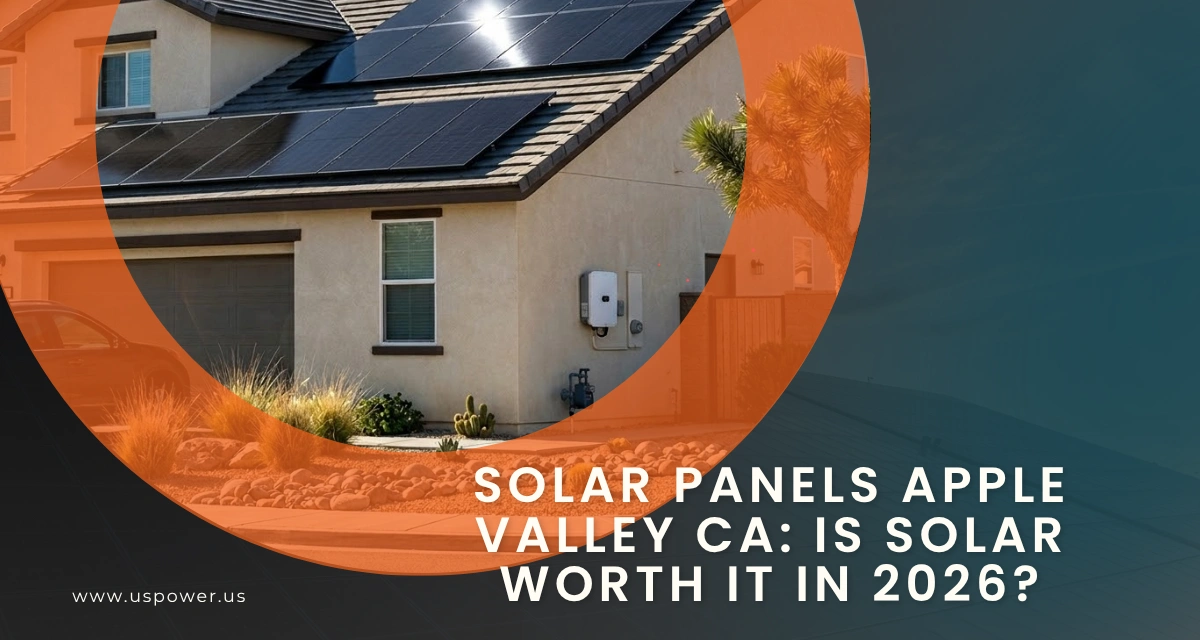
Best solar panels installer in Apple Valley California for QCells solar panels.

Same house in Southern California. Five quotes. $22,000 price gap. What's going on?
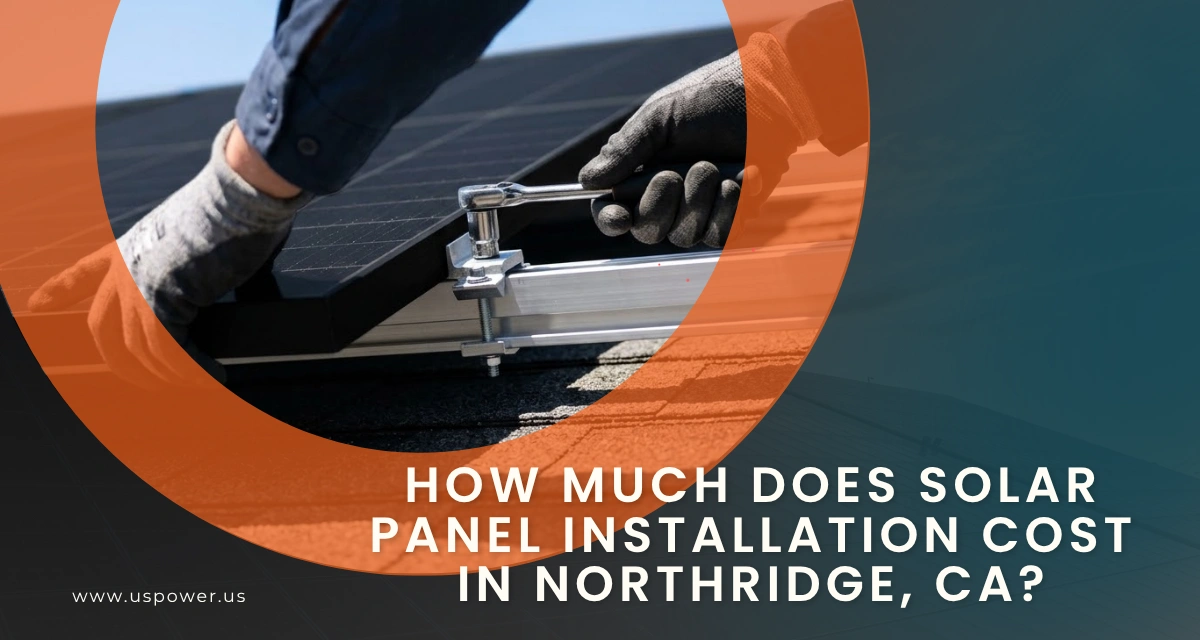
Northridge homeowners are searching for real numbers on solar installation cost.







Copyright © 2026 US Power - Axia by QCells. All Rights Reserved.
Get an instant solar estimate using satellite!