
Should you purchase solar panels with cash or finance them with a solar loan? Both paths make you the owner and shield you from rising utility rates, but the true cost, the payback timeline, and the monthly math are very different. This guide breaks down how each option works, exposes the hidden dealer fees that inflate financed deals, and helps you decide which choice fits your budget and goals in 2026.
You have decided solar makes sense for your home. Now comes the question that actually changes your numbers: do you purchase solar panels outright with cash, or finance the same system with a solar loan? Both paths make you the owner, both let you keep every incentive, and both shield you from rising utility rates. The difference is where the money comes from and what it costs you over time. This guide walks through how each option really works, what the true cost looks like once fees and interest are counted, and how to tell which choice fits your budget and goals in 2026. No hype, just the math and the trade-offs.
Deciding how to pay is not a footnote. It shapes your monthly cash flow, your total lifetime cost, and how fast the system pays for itself.
Utility rates in California, Texas, Florida, and Illinois keep climbing, and every rate hike makes owned solar more valuable. That pressure is real, but it should not rush you into the wrong payment structure. A smart payment choice can add thousands to your lifetime savings, while a poorly structured loan can quietly erase them.
This is the part many homeowners miss. Whether you pay cash or take a loan, you own the panels, you claim any state and local incentives, and you build home value. That is very different from leasing, where a third party keeps ownership and the incentives. If you are still weighing that larger question, start with whether you should buy or lease your solar panels before you get to cash versus financing.
A cash purchase is the simplest route on paper. You pay the full system price up front and you owe nothing after that.
Your one payment covers the panels, the inverter, mounting, labor, permitting, and interconnection. There is no interest, no lender, no monthly bill tied to the system. From day one, every kilowatt hour your roof produces is free electricity you already paid for. To see what that up front figure typically looks like, review how much solar panels cost for a system your size.
Cash is not truly free. The money you spend on panels is money you cannot invest or keep as a safety net. That trade-off is called opportunity cost, and it is the honest counterweight to the interest you avoid. For many homeowners the guaranteed return from cutting a rising electric bill still beats what that cash would earn elsewhere, but it is worth running your own comparison. If you want the full menu of choices beyond these two, the smartest ways to pay for solar covers every method side by side.
Cash makes the most sense when you have the funds available without draining your emergency reserves, when you want the lowest possible lifetime cost, and when you value a clean title with no lien attached to the system. You get the fastest payback and the highest total savings, full stop. It also simplifies life later, since there is no loan balance to track, no lender to notify, and nothing to pay off if you decide to sell.
Financing lets you own the same system without paying everything at once. For most households, this is how solar becomes affordable today.
A solar loan spreads the system cost over a set term, often 10 to 25 years, at a fixed interest rate. You still own the panels and keep the incentives, but you make a monthly payment instead of one large sum. In many cases that solar payment is lower than the utility bill it replaces, so you can come out ahead from the first month. When you are ready to shop rates, our guide to finding a low-interest solar loan helps you avoid the expensive ones.
Here is the catch nobody advertises. Many low-rate solar loans carry a hidden dealer fee baked into the system price, sometimes 10 to 30 percent. That fee is how a lender offers a headline rate that looks too good to be true. The financed system can end up costing far more than the same system paid in cash. Always ask for the cash price and the financed price in writing, then compare. This is exactly where factory-direct pricing protects you.
The number that ties both paths together is your solar payback period, the point where accumulated savings cover your cost. Cash usually reaches break-even faster because there is no interest. Financing pushes break-even out a few years because of interest and fees, but it lets you keep your cash working elsewhere. To judge either option honestly, factor in the overlooked costs of solar ownership so your comparison reflects the true total, not just the sticker price.
Whether you pay cash or finance, the price you start from decides how good either option can be. This is where working with the right partner changes the math.
As an exclusive Qcells partner with factory-direct pricing, US Power delivers American-made panels at 15 to 20 percent below typical market rates. A lower starting price shrinks your cash outlay and your financed balance at the same time, which means a smaller loan, less interest, and a faster payback no matter which route you choose. Our financing options are structured to keep the true cost transparent, not padded with hidden dealer markup.
Every install comes with a 25-year comprehensive warranty covering panels, workmanship, and performance, plus a typical 3 to 4 week installation timeline after approval. Our CSLB-licensed consultants walk you through the cash and financed numbers in plain language, and more than 200 five-star Google reviews reflect how seriously we take that transparency. You leave the consultation knowing the real cost of each path, not a rate designed to hide it, so the decision is genuinely yours to make.
Your payment decision follows you to closing day, so it is worth thinking about before you sign anything.
A solar system you own, whether bought with cash or a paid-off loan, is an asset that can raise your home value and appeal to buyers who want lower energy bills. There is no contract for a buyer to assume and no third party in the picture. That clean ownership is one reason paying to own beats leasing.
If you sell while a solar loan is still open, you typically pay off the remaining balance at closing, often from the sale proceeds, so the title transfers free and clear. It is a manageable step, but it is easier when you understand it early. Our guide on how to transfer solar ownership when you sell walks through exactly what to expect.
There is no single right answer, only the right answer for your finances. Pay cash if you have the funds and want the lowest lifetime cost and fastest payback. Finance if you would rather keep your cash flexible and still own the system while your monthly solar payment replaces a rising utility bill. Either way, insist on transparent pricing and compare the cash and financed totals in writing. Start from a fair, factory-direct price and both paths lead to real, lasting savings.


Your home HVAC alone could be eating half your electricity bill every month.
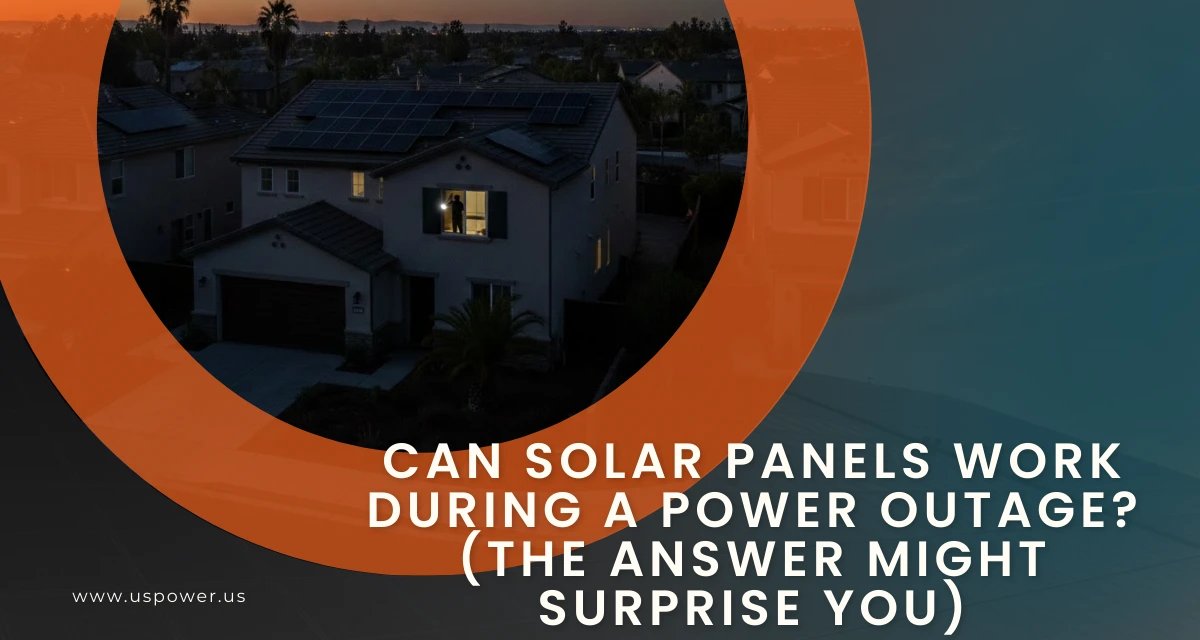
Why your solar panels go dark during blackouts and what you can actually do about it.
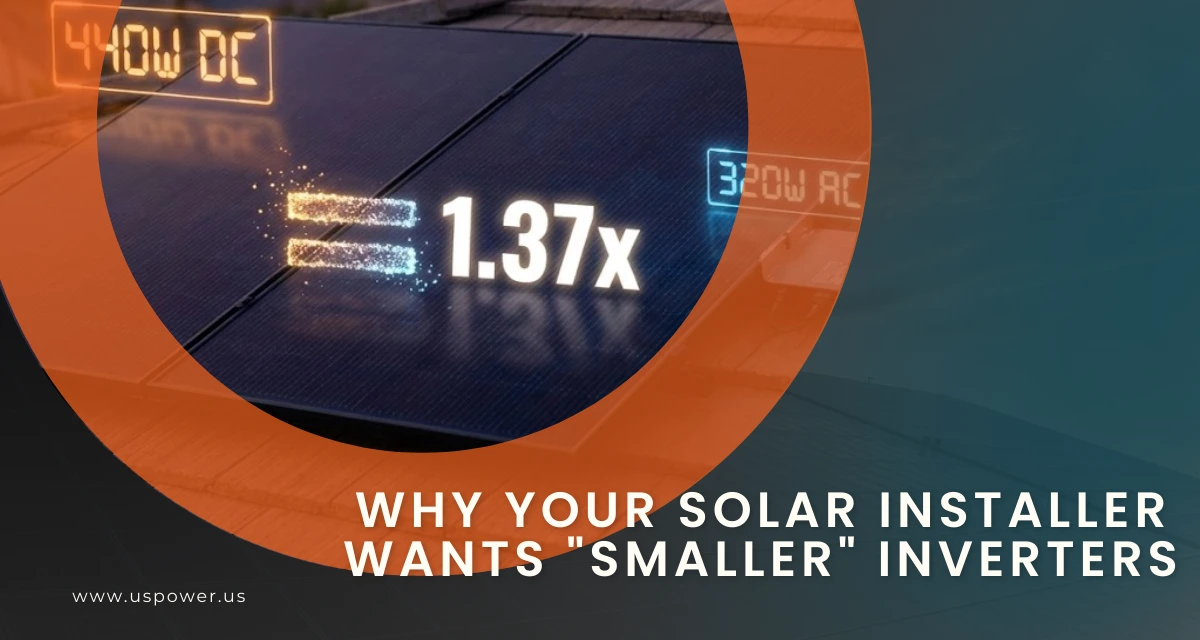
That "undersized" inverter on your solar quote isn't a cost-cutting trick—it's an eng







Copyright © 2026 US Power - Axia by QCells. All Rights Reserved.
Get an instant solar estimate using satellite!