
California's solar electrical codes just got stricter. Title 24 is now in full effect for 2026, and NEC standards are evolving fast. If you're going solar in Los Angeles or Southern California, here's what you need to know to avoid delays, failed inspections, and lost savings.
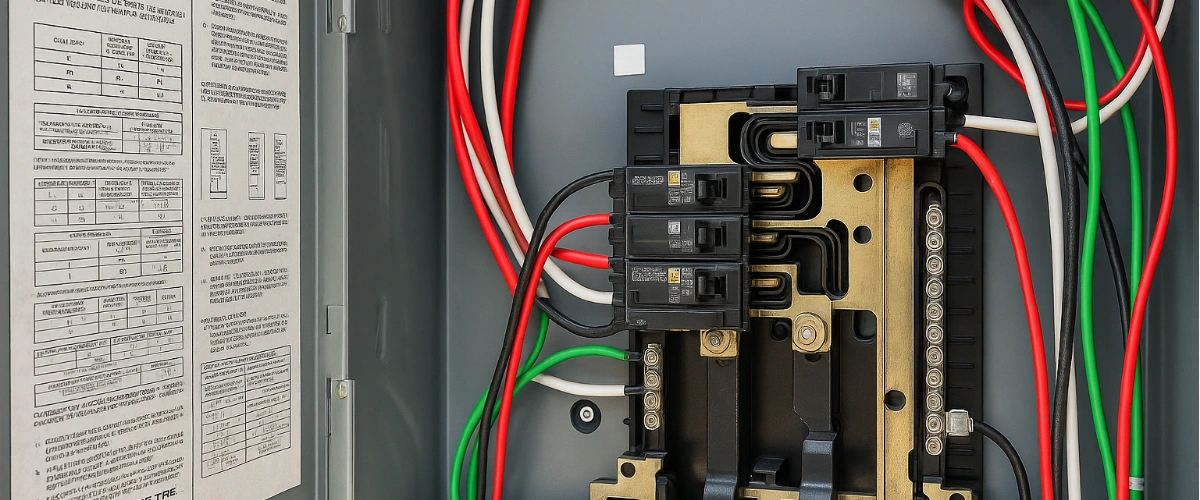
If you've been thinking about going solar in Southern California, there's one topic most installers won't bring up during your first consultation: electrical code compliance.
It's not the most exciting part of the conversation. But for Los Angeles homeowners, it's the difference between a system that gets approved in weeks and one that sits stalled for months—costing you money every single day the meter keeps running.
California's 2026 energy codes are now in full effect, and the requirements are stricter than ever. Understanding what your installer is—and isn't—doing to meet them could save you thousands in delays, rework, and missed savings.
Solar panels aren't just appliances you plug in. The moment they're installed, they become a permanent part of your home's electrical infrastructure—and California treats them that way.
To legally operate a solar system in Southern California, you need approval from three separate entities: your local building department, your utility (LADWP, SoCal Edison, or SDG&E), and the state under Title 24 energy standards.
Each has its own checklist. Miss any one of them, and your Permission to Operate (PTO)—the final green light that lets your panels actually generate savings—gets delayed. Understanding what it takes to get permission to operate is something every homeowner should do before signing any solar contract.
A failed inspection doesn't just bruise your installer's ego. It means your panels sit on your roof generating nothing while the rework gets scheduled, reinspected, and approved all over again. That can stretch your timeline by weeks or even months.
During that time, you're still paying full utility rates. For the average SoCal homeowner paying $200–$300 a month in electricity, a two-month delay costs $400–$600 in missed savings before your system even turns on.
And knowing how to get a solar permit in California upfront gives you the power to hold your installer accountable at every step.
California updated its building energy code on January 1, 2026. The 2025 Title 24 Energy Code is now officially in effect, replacing the 2022 version. Here's what that means for homeowners going solar this year.
Under the updated Title 24, Part 6, solar PV requirements now apply not just to new single-family homes, but to low-rise multifamily buildings and Accessory Dwelling Units (ADUs) as well. If you're adding an ADU to your property, you'll need to understand ADU solar requirements under Title 24 before breaking ground.
System sizing is determined by your home's square footage, climate zone, and energy use—meaning there's no one-size-fits-all calculation. Your installer needs to design a system specifically for your home, not pull a template off a shelf.
The 2026 update also pushes harder on battery storage readiness. New installations must be designed with conduit pathways, panel capacity, and physical space set aside for a future battery system—even if you're not adding one today.
This isn't just regulatory box-checking. With NEM 3.0 dramatically cutting export credits, homeowners who store their solar energy instead of sending it to the grid see far better savings. Understanding solar battery storage benefits in California is increasingly important as the grid evolves.
California's electrical installations are governed by the National Electrical Code (NEC), which the state adopts and amends on a rolling basis. The NEC 2023 standards—currently in effect in California—include several requirements that directly affect residential solar:
Rapid Shutdown (NEC 690.12): Every grid-tied solar system must include rapid shutdown capability. This de-energizes the panels and conductors within seconds during a fire or emergency—protecting first responders who may otherwise encounter live wires on your roof.
Warning Labels: All DC conduit, junction boxes, and disconnects must carry weather-resistant warning labels reading "PHOTOVOLTAIC POWER SOURCE" in white letters on a red background. These seem minor but are a common reason for inspection failure.
Inverter Wiring Standards: Stricter rules now govern how inverters connect to your home's panel, with specific conductor length requirements designed to minimize risk inside your home's wiring.
Even experienced installers can run into compliance problems. But the best companies build compliance into their process from day one—rather than discovering gaps during inspection.
These are the issues that most commonly delay solar approval in Los Angeles and the surrounding areas:
Each of these is avoidable—but only if your installer is designing the system to code from the very beginning, not retrofitting compliance after the fact.
The solar industry has grown fast, and not every company has kept pace with code updates. Some installers use the same permit templates they filed years ago. Others cut corners on labeling or grounding because inspectors don't always catch every detail on the first pass.
The solar installation mistakes LA homeowners make most often trace back to hiring a company that prioritizes speed over precision. A failed final inspection—or a system that passes inspection but creates safety hazards later—is a risk no homeowner should accept.
At US Power, electrical code compliance isn't an afterthought. It's engineered into every project before a single panel is mounted.
Every US Power installation begins with a full engineering review. Your system is designed to meet the current Title 24, NEC, and local utility standards—not last year's requirements. That means the right inverter, the right conductor sizing, proper grounding, and rapid shutdown capability built in from day one.
US Power installs American-made QCells panels—the most efficient panels available through a factory-direct partnership that keeps pricing 15–20% below market. QCells panels meet and exceed all 2026 California code requirements, and as the exclusive QCells partner in the region, US Power has direct access to equipment specs that generic installers don't.
Most homeowners don't realize that permitting and utility interconnection are two separate processes—and both can stall independently. US Power manages both from start to finish.
That means your local building department permit, your structural and electrical engineering plans, and your utility interconnection request with LADWP, SoCal Edison, or SDG&E are all handled by US Power's team. You don't make calls, chase approvals, or navigate bureaucracy. We do it for you.
Going solar is a major home improvement—and why professional solar installation matters comes down to exactly this: the permits, the code requirements, the utility coordination. A DIY approach or an unlicensed installer may save money upfront, but one failed inspection or non-compliant installation can cost far more in rework, delays, and lost savings.
US Power's CSLB-licensed consultants are fully credentialed to design, permit, and install systems that pass inspection the first time—backed by a 25-year comprehensive warranty covering panels, workmanship, and performance.
In Southern California, electrical code compliance isn't just about passing inspections. It's about protecting your home—and your neighbors—from fire risk.
Rapid shutdown requirements exist specifically because of fire hazard scenarios. When firefighters respond to a house fire involving a solar home, they need to know the panels can be de-energized immediately. A system without proper rapid shutdown equipment creates a live-wire hazard that forces first responders to approach the structure differently—or not at all.
Non-compliant systems don't just endanger your home. They create liability in ways that most homeowners don't anticipate until it's too late.
California's wildfire-related Public Safety Power Shutoffs (PSPS) have affected millions of SoCal homeowners in recent years. A solar-only system without battery storage goes dark during these outages—just like a home without solar. The solar installation timeline from consultation to PTO with US Power is typically just 3–4 weeks, making it fast enough to be protected before the next fire season arrives.
A battery-ready installation—designed with storage in mind from the beginning—keeps your home powered when the grid goes down.
California's 2026 solar electrical codes are designed to protect you—your safety, your investment, and your home's value. But they only do that job if your installer follows them from the very first design decision.
The right company doesn't treat compliance as a last-minute checklist. It builds code requirements into every system from day one, handles every permit and utility approval, and backs its work with a warranty that lasts as long as the panels.
That's exactly what US Power delivers. With American-made QCells panels, factory-direct pricing, CSLB-licensed consultants, and a 3–4 week installation timeline, going solar in Southern California has never been more straightforward—or more protected.
Book your free consultation today and find out what a fully compliant solar system can save you every month.


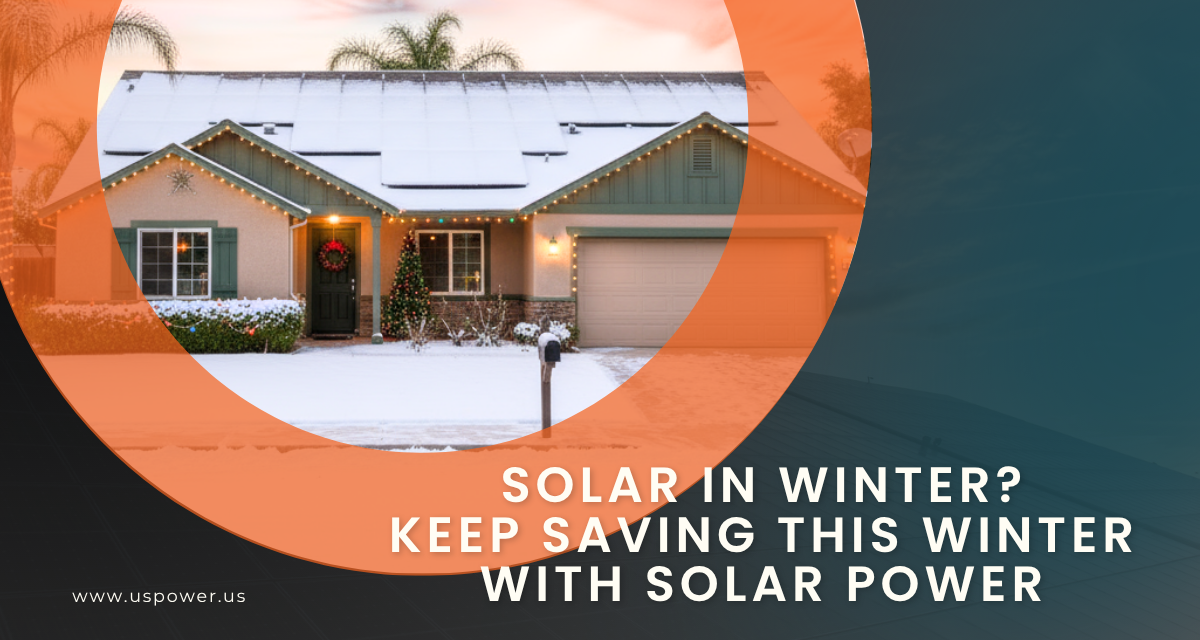
Save even in winter—Qcells and US Power make solar efficiency a year-round benefit.

Your ZIP code decides your solar math. Here is how to buy the right system in SoCal.
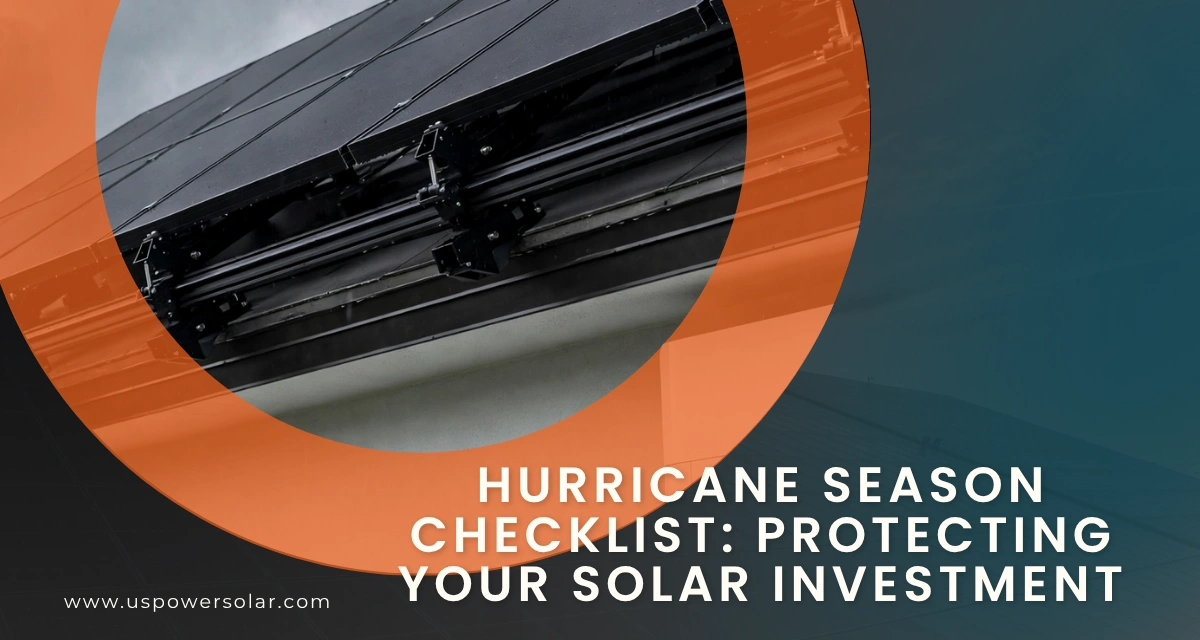
Hurricane season is coming. Is your solar and battery system actually storm ready?






Copyright © 2026 US Power - Axia by QCells. All Rights Reserved.
Get an instant solar estimate using satellite!