

A clear 2026 guide to choosing the right roof for your LA home.

Choosing a new roof in Los Angeles isn't as simple as picking a color you like. You're making a decision that will affect your home's energy costs, structural integrity, solar readiness, and resale value for the next 20 to 100 years—depending on the material.
Most homeowners start with price. That's understandable. But in LA's climate, a cheaper roof that traps heat, degrades faster under UV exposure, or complicates a future solar installation will cost you far more over time than the upfront savings suggest.
This guide walks you through every factor that actually matters—so you can make a confident, informed decision before signing anything.
Before comparing materials or requesting quotes, confirm your roof genuinely needs replacement. Many LA homeowners get sold on a full replacement when a targeted repair would do the job—and others wait too long, turning a manageable problem into structural damage.
The honest starting point is a professional inspection. An experienced CSLB-licensed contractor will assess shingle or tile condition, flashing integrity, underlayment health, and attic ventilation. Reviewing the signs you need a new roof in California before your inspection helps you ask the right questions and spot the difference between a contractor being thorough and one padding a job.
A 15-year-old asphalt shingle roof in LA's UV-heavy climate is a different situation than a 15-year-old concrete tile roof. Lifespan varies significantly by material—and LA's intense sun accelerates degradation on some materials more than others. Understanding how long a roof lasts in California by material type helps you assess where you actually stand before committing to a full replacement budget.
Los Angeles gets roughly 284 sunny days per year. That's excellent for solar—and punishing for low-quality roofing materials. Intense UV exposure degrades asphalt granules, bleaches color, and causes cracking that allows moisture intrusion during seasonal rains.
The thermal performance of your roof also directly affects your electricity bill. LADWP residential customers currently pay around 23 cents per kWh—about 15% above the national average—with rates rising approximately 4% annually. A roof with poor heat management forces your AC to work harder during summer, pushing your usage into higher-cost tiers and inflating your bill every month.
This is something many LA homeowners don't find out until they're mid-project. California's Title 24 Building Energy Efficiency Standards—updated effective January 1, 2026—require that most re-roofing projects in Los Angeles meet minimum cool roof performance standards.
For steep-slope roofs (the standard pitched roof on most homes), materials must meet a minimum aged solar reflectance of 0.20 and thermal emittance of 0.75. The City of Los Angeles adds its own layer: asphalt shingles must meet or exceed a Solar Reflectance Index (SRI) of 20 for both new construction and re-roofing applications. Not every shingle or tile product on the market qualifies. Your contractor must use CRRC-rated materials and document compliance as part of the permit process.
If your home is in or near a Fire Hazard Severity Zone—which includes large portions of the Santa Monica Mountains, Altadena, Sylmar, and other LA communities—you have additional requirements. The 2026 WUI Code (Title 24, Part 7) mandates Class A fire-rated roof assemblies for all re-roofing in mapped fire hazard zones. Clay tile, concrete tile, and Class A-rated asphalt shingles all qualify. Untreated wood shakes do not, and are now banned under the updated code.
Asphalt shingles are the most affordable re-roofing option available in Los Angeles, and they offer the simplest path to solar installation. Panels are mounted directly through the shingles into the roof deck—no specialized hardware required, which keeps labor costs and timelines low.
The tradeoff is lifespan. Quality architectural shingles last 20–30 years nationally, but LA's UV intensity can accelerate wear. If you're planning to go solar soon and your budget is a primary concern, asphalt shingles are a practical choice—as long as you select a cool-roof-compliant product that meets LA's SRI 20 requirement.
Best for: Budget-conscious homeowners, coastal or shaded properties, anyone planning solar installation within the next 1–2 years.
Concrete tile dominates established LA neighborhoods for a reason. It handles Southern California's heat exceptionally well through thermal mass—absorbing daytime heat slowly and releasing it at night, reducing the spike in attic temperatures that drives up AC costs.
Concrete tile roofs last 40–50 years or more and carry Class A fire ratings, making them WUI-compliant. They require specialized tile hook hardware for solar installation, which adds some labor cost—but that's a well-established process for any experienced solar-roofing contractor.
Before committing, get a clear picture of realistic costs. The tile roof replacement cost in Southern California varies based on roof size, pitch, and material grade—knowing the range prevents sticker shock and helps you evaluate whether a quote is fair.
Best for: Inland LA homeowners in hotter zones, homeowners prioritizing durability, anyone wanting a mid-range material with excellent solar compatibility.
Clay tile is the defining aesthetic of California architecture and one of the highest-performing materials available for LA's climate. Its natural porosity creates passive ventilation between tiles and the roof deck, which keeps attic temperatures lower without any mechanical systems. That translates to real cooling savings through LA's long summers.
Lifespan is clay tile's strongest argument: 75–100 years with proper maintenance. Like concrete tile, it carries a Class A fire rating and requires specialized mounting for solar. The upfront cost is higher than asphalt or concrete, but the per-year cost over its lifespan is often lower than either alternative.
Best for: Spanish and Mediterranean-style homes, homeowners focused on long-term value, properties in high-UV inland areas where passive thermal performance matters most.
LA electricity rates aren't going down. LADWP rates have been climbing at roughly 4% per year, and SCE customers saw a 13% spike hit their bills in late 2025. The homeowners who act now—replacing their roof and adding solar in one project—lock in their energy costs before the next increase lands.
The key decision point: if your roof has less than 7–10 years of useful life remaining, installing solar on it now means paying to remove and reinstall panels when the roof eventually fails. That removal and reinstallation typically costs $1,500–$4,000 or more, on top of the roof replacement itself. Understanding when to replace your roof before going solar is one of the most financially important decisions in this process.
California's net metering program has been replaced by net billing for new solar customers. Under net billing, surplus solar energy exported to the grid is compensated at wholesale rates—not the retail rate you pay. That makes battery storage significantly more valuable than it was previously.
Pairing your new roof with a battery system lets you store solar energy generated during the day and use it during evening peak hours—when LADWP's TOU rates are highest—instead of buying it back from the grid at full price. US Power's team designs roofing and solar systems together, so your roof, panel layout, and battery placement are optimized from day one.
California requires roofing contractors to hold a CSLB C-39 license. This isn't a formality—it's your protection. An unlicensed contractor can't pull permits legally, which means your project won't pass inspection and your homeowner's insurance may deny claims related to the work.
Before signing any contract, verify the contractor's license number directly on the CSLB website. It takes two minutes and confirms their license is active and in good standing. Knowing exactly what to look for when choosing a trustworthy roofing contractor in California protects you from the most common and costly mistakes homeowners make.
The LA roofing market has its share of contractors who pressure homeowners into quick decisions, lowball initial quotes, and add costs mid-project. Learning the red flags when hiring a roofing contractor in LA can save you from a nightmare project.
Specific warning signs: requests for large upfront cash payments, verbal-only warranties, no permit discussion, and quotes that arrive without a physical roof inspection. A legitimate contractor will inspect your roof before quoting, pull all required permits, and provide a written contract with warranty terms clearly stated.
A contractor confident in their work backs it with a comprehensive warranty. US Power covers panels, workmanship, and performance under a 25-year comprehensive warranty. That level of coverage is a meaningful signal—it means the contractor expects their installation to last and is willing to stand behind it.
Walking into contractor conversations without cost context puts you at a disadvantage. Before requesting your first estimate, review what roof replacement costs in Southern California across different material types and roof sizes. Having that baseline helps you quickly identify whether a quote is competitive, inflated, or suspiciously low.
A quote that comes in significantly below market isn't necessarily a bargain—it often signals cheaper underlayment, thinner materials, or a crew that cuts corners on code compliance. Title 24 documentation, proper flashing, and permit fees are real costs. If they're not in the quote, they're not in the plan.
A full tile roof replacement on an LA home can run $15,000–$35,000 depending on size, pitch, and material. US Power offers flexible financing options—including roofing loans and bundled roof-and-solar packages—that let homeowners upgrade without draining savings. Payment flexibility shouldn't be an afterthought; ask about it early in the conversation.
Choosing the best roof for your Los Angeles home comes down to six things: confirming you actually need replacement, understanding what LA's climate demands, selecting the right material for your home and goals, planning for solar, vetting your contractor carefully, and knowing what fair pricing looks like.
Every one of those steps is something US Power's team walks you through—at no cost, with no obligation. From the initial inspection to the final permit sign-off, you'll know exactly what's happening, what it costs, and why.


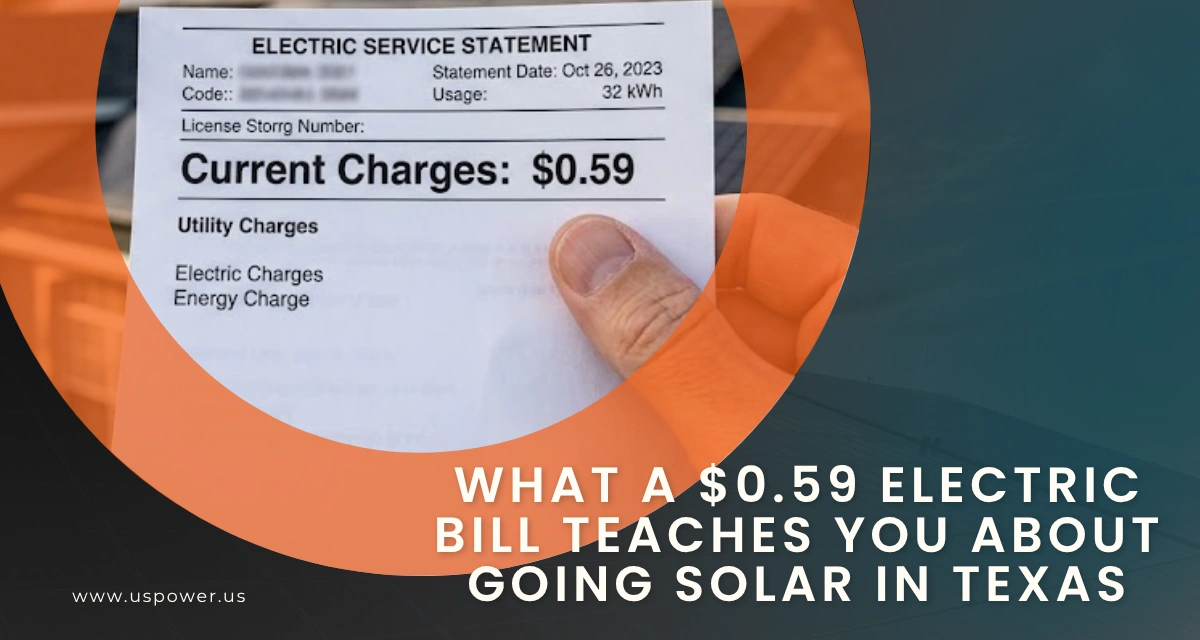
A Texas homeowner got an electric bill for $0.59. Here's what happened and learn.

Your 2025 Beverly Hills, CA solar cost guide — see prices, savings, and credits.
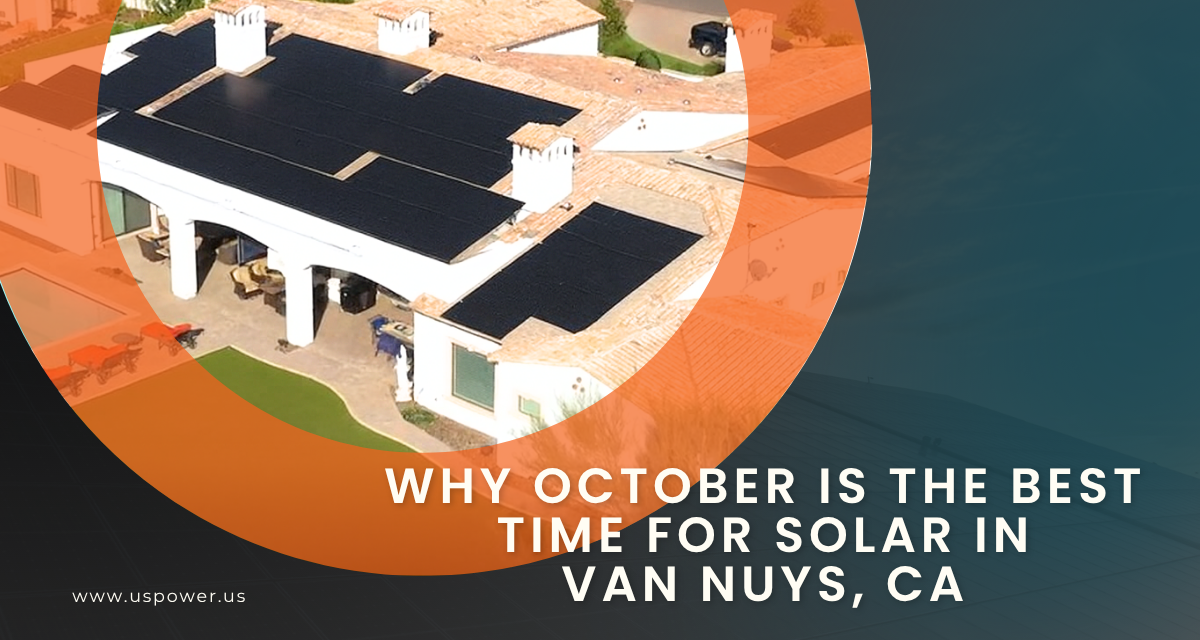
Van Nuys homeowners slash bills and boost value—solar delivers the best ROI in 2025.









Copyright © 2026 US Power - Axia by QCells. All Rights Reserved.
Get an instant solar estimate using satellite!