

Texas electricity rates are climbing fast in 2026, driven by data centers, crypto mining, and natural gas price hikes. Here's how solar panels protect your home from the coming ERCOT price spikes — and how US Power makes the switch simple.
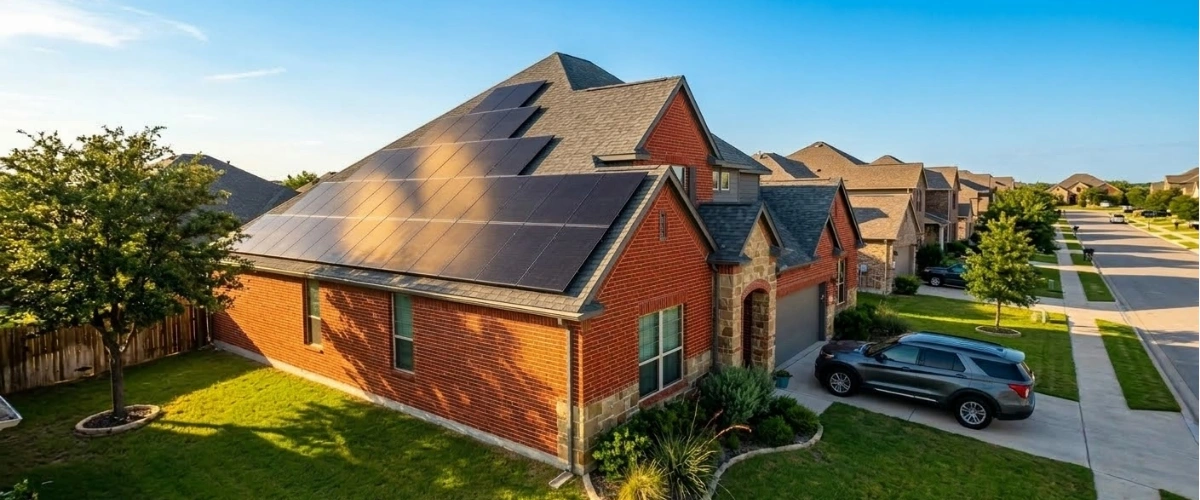
Texas electricity rates are rising, and solar can offset that exposure. Low installation costs and strong sun help, though payback depends on your system and usage, and US Power keeps the switch simple.
If you're a Texas homeowner staring at your electricity bill and wondering why it keeps going up, you're not imagining it. According to the U.S. Energy Information Administration (EIA), Texas electricity rates have climbed over 34% since 2021 — and 2026 is shaping up to be the steepest year yet. The reason comes down to one thing: your grid is being overwhelmed. Data centers, cryptocurrency mining facilities, and industrial growth are consuming electricity faster than Texas can supply it. For homeowners on the ERCOT grid, that means higher bills, summer price spikes, and very little relief in sight. Solar panels are how smart Texas homeowners are fighting back — and locking in predictable energy costs before things get worse.
Texas has always prided itself on affordable energy. But that reputation is taking a serious hit. Here's what's actually driving your bill higher every month.
The Electric Reliability Council of Texas (ERCOT) manages power for about 90% of the state. Right now, it's under enormous strain. The EIA projects ERCOT electricity demand will grow by 14% in 2026 alone — driven almost entirely by data centers and cryptocurrency mining facilities moving into the region.
That's not a forecast for a decade from now. That's this year.
When demand surges faster than supply can keep up, wholesale electricity prices spike. The EIA projects a 45% increase at the ERCOT-North pricing hub in 2026, particularly during summer peak hours when every air conditioner in Texas is running at full blast.
Over half of Texas electricity comes from natural gas. As LNG exports increase and domestic production stays flat, gas prices are rising — and those costs flow directly into your monthly bill.
The national average residential electricity rate has already climbed 21% over the past five years, hitting 18.05¢/kWh in 2026. Texas rates, while still slightly below that national average, are trending in the same direction. Understanding why electricity bills keep climbing helps you plan before the next round of increases hits.
Here's what stings most: Texas residential customers are effectively subsidizing massive commercial electricity loads. One study found that residential consumers in the CenterPoint service area use 33% of electricity but pay 49% of transmission costs. Industrial users minimize their share by cutting usage on peak days — leaving homeowners holding the bill.
Solar doesn't eliminate your connection to the grid. What it does is dramatically reduce how much electricity you have to buy from it — especially during the summer months when ERCOT prices are at their worst.
Texas summers are long and sunny. A properly sized solar system generates its peak output during the hottest part of the day — the exact same hours when ERCOT wholesale prices spike. Instead of buying expensive grid power at peak rates, you're generating your own at essentially zero cost per kilowatt-hour.
Over time, solar panels save you money in ways that compound as utility rates keep rising. A system that offsets 80% of your electricity use today becomes even more valuable when rates climb another 10% next year.
Texas doesn't have statewide net metering — but the deregulated market actually works in your favor. In the roughly 85% of Texas served by ERCOT, you can choose a retail electricity provider (REP) that offers a solar buyback plan. Top providers like Chariot Energy, Green Mountain Energy, and TXU currently offer buyback rates between 9.5¢ and 10¢ per kWh for excess power your panels send to the grid.
That means your solar investment works around the clock — generating savings during the day and earning credits at night.
With ERCOT's history of grid stress events — including the 2021 winter storm that left millions without power for days — battery storage has become an increasingly important part of the Texas solar conversation.
A solar battery stores excess energy your panels generate during the day so you can use it at night or during a grid outage. In Texas, where summer price spikes can hit at any hour, a battery lets you avoid buying power at the worst possible time.
It's also worth noting that several Texas utilities now require battery storage to qualify for their best rebates. Oncor's Residential Solar Program in the Dallas-Fort Worth area offers rebates up to $9,000 — but only for solar-plus-storage systems. Is battery storage worth it for your specific situation? The answer depends on your energy usage, utility provider, and budget — all things a US Power consultant can walk you through.
The February 2021 grid failure is still fresh in the minds of Texas homeowners. While ERCOT has improved weatherization and battery storage now plays a bigger role in covering evening peaks, the system is not immune to extreme weather. A home battery system gives you energy independence when the grid can't.
Not all solar companies are created equal. Texas's deregulated energy market and fast-growing solar industry have attracted plenty of contractors who prioritize speed over quality. Knowing how to choose a solar company before signing anything can save you years of headaches.
Watch out for installers who pressure you into signing same-day contracts, offer vague warranties, or can't explain exactly what panels they're installing. Predatory solar contracts are a real issue — and they can lock you into equipment or financing terms that erode your savings over years.
When evaluating your options, ownership almost always wins over leasing in the long run. The questions around buying vs. leasing solar panels come down to one key point: when you own your system, 100% of the savings stay with you. Leased systems often include escalation clauses that raise your monthly payment over time — defeating the purpose of going solar.
US Power isn't a generic solar installer. As an exclusive QCells partner with factory-direct pricing, we bring a level of quality and transparency that most Texas homeowners don't find anywhere else.
QCells manufactures its panels in Dalton, Georgia — making them one of the few truly American-made solar options on the market. As the exclusive QCells partner in our markets, US Power purchases panels factory-direct, passing 15–20% savings directly to you compared to typical market pricing. You're getting premium performance without the premium markup.
US Power backs every installation with a 25-year comprehensive warranty covering panels, workmanship, and performance. That's not just a product warranty from the manufacturer — it includes our own workmanship guarantee. If something goes wrong, you have one number to call.
Most Texas homeowners are surprised to learn how fast the solar panel installation timeline can move with the right company. US Power completes most installations within 3–4 weeks of permit approval — significantly faster than the industry average. With ERCOT prices rising every summer, speed matters.
Our 200+ five-star Google reviews aren't just marketing — they reflect a process designed to eliminate the frustrations homeowners typically face with solar installations.
The federal residential solar tax credit (Section 25D) expired December 31, 2025. But Texas homeowners still have meaningful incentives available — and most people don't know about them.
This is the most underutilized solar benefit in the state. Under Texas Tax Code Section 11.27, the added home value from your solar system is 100% exempt from property tax assessments. Solar panels typically add $15,000–$25,000 to your home's market value. Without this exemption, you'd pay hundreds more in property taxes every year. With it, you keep that equity entirely.
For a $22,000 system in Harris County with a 2.31% tax rate, that's roughly $508 saved per year — over $12,000 across the life of your system. And unlike tax credits, this benefit doesn't require filing anything with the IRS. You simply submit Form 50-123 to your county appraisal district after installation.
Depending on your utility provider, additional rebates may be available:
The right incentive package for your home depends on your zip code and utility provider. Our consultants know exactly which programs apply to your situation. Explore all your solar solutions for Texas homeowners and see what's available in your area.
Texas electricity rates aren't coming back down. With demand projected to grow 14% in 2026 and ERCOT wholesale prices surging, the homeowners who act now are the ones who will be protected when summer bills hit record highs. Solar gives you control — over your monthly costs, over your energy source, and over your home's long-term value. US Power makes the transition fast, transparent, and backed by a 25-year warranty. Your free consultation is one conversation away.


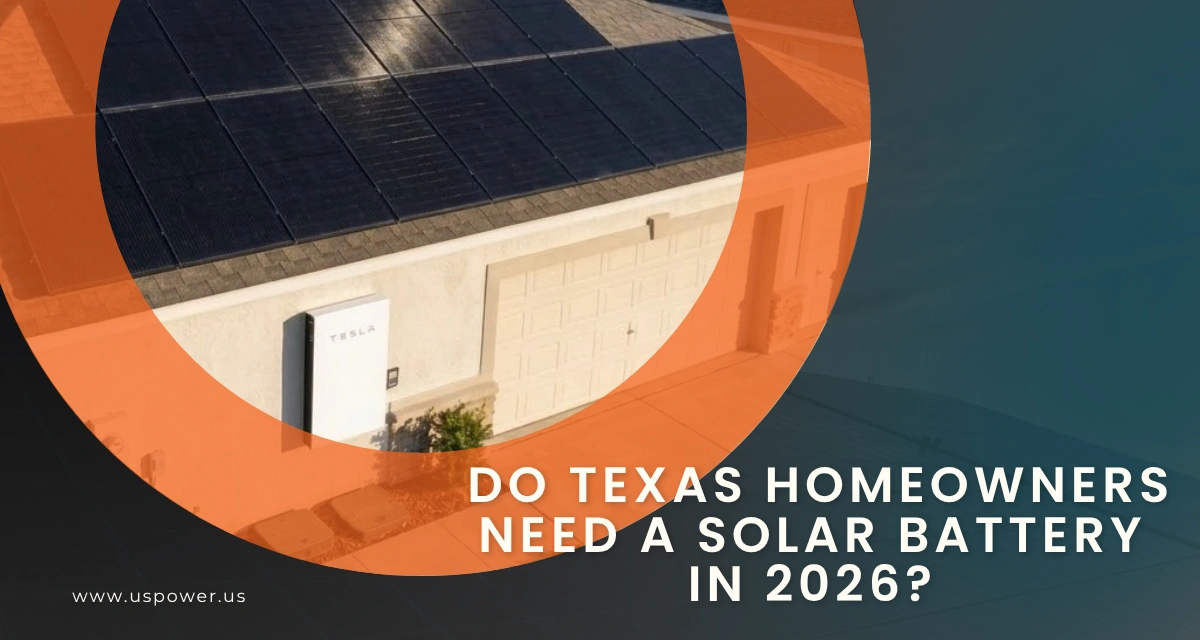
Your residential solar panels may be working. Your wallet might not be. Here's why.
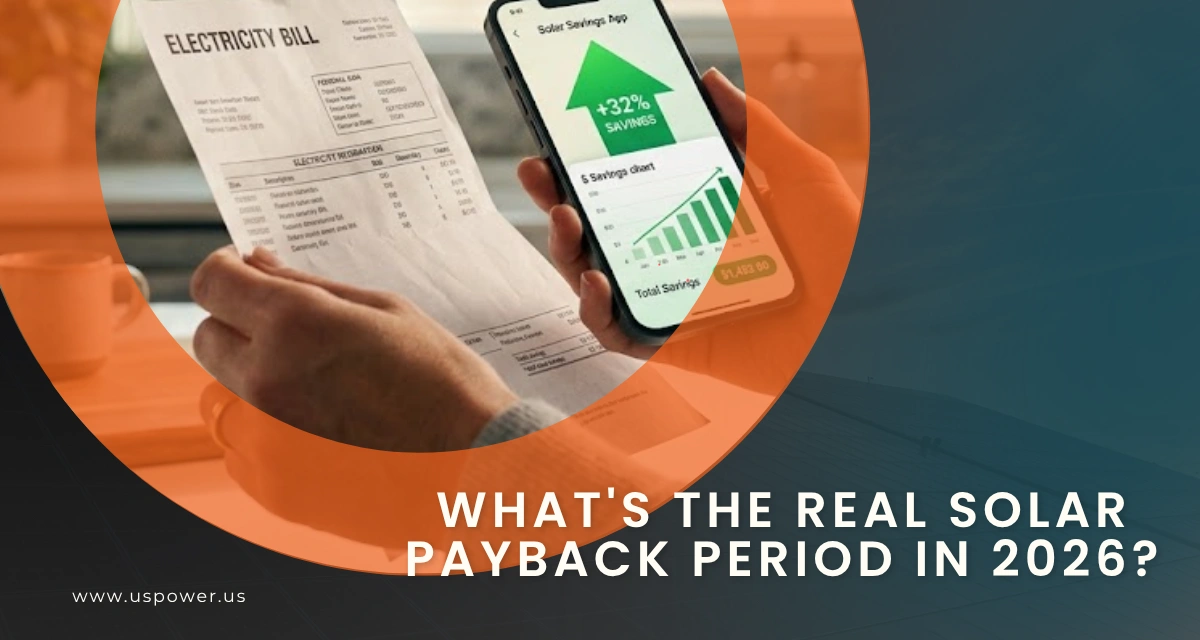
Your neighbors are breaking even faster than their installer predicted. Here's why.
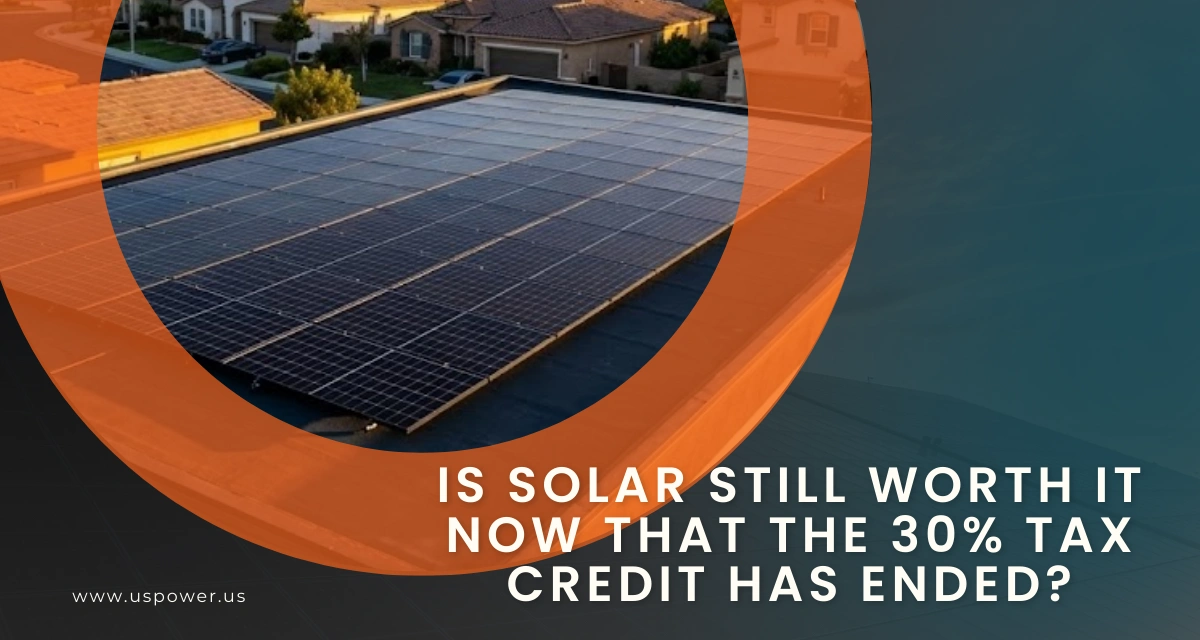
Your neighbor installed solar last year and saved $9,000 with the tax credit.









Copyright © 2026 US Power - Axia by QCells. All Rights Reserved.
Get an instant solar estimate using satellite!