
Learn the best way to go solar: Buying solar panels delivers the greatest long-term savings, while leasing offers a low-cost, low-maintenance alternative.
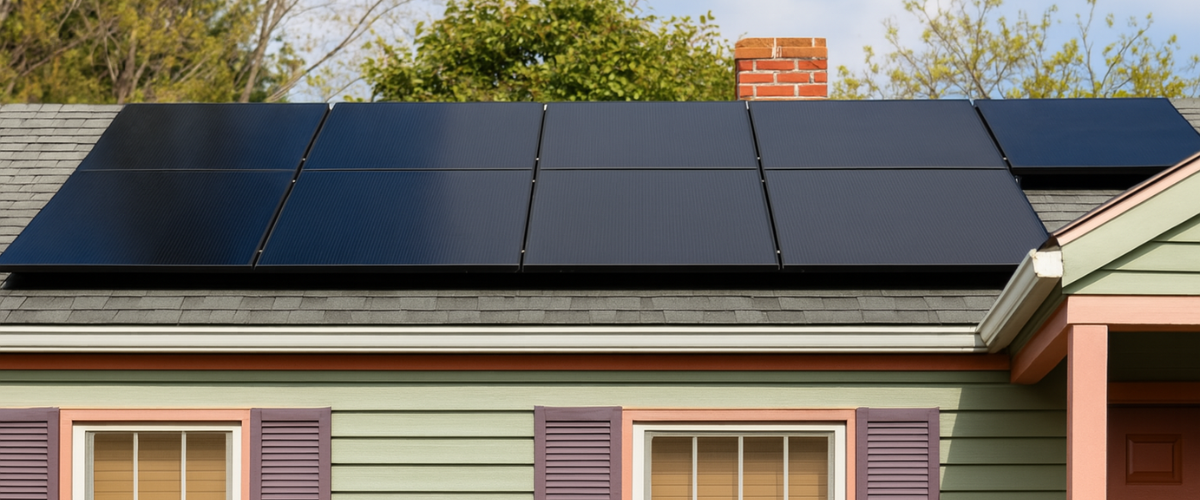
The rules changed this year. The federal tax credit that used to nudge homeowners toward buying an individually owned system expired on December 31, 2025, and it is not coming back for residential purchases. That single fact reshaped the buy versus lease conversation for homeowners in California, Texas, Florida, and Illinois. But it did not settle it.
Buying still wins on lifetime savings for most homeowners who plan to stay put. Leasing still makes sense for homeowners who want $0 down and zero maintenance. And a newer option, a prepaid lease with a built-in path to ownership, now sits in between the two. Here is how each option actually works, and how to figure out which one fits your home.
Two things changed this year. First, the 30% federal residential credit that used to reward homeowners who bought a system with cash or a loan is gone for good. Second, electricity rates kept climbing anyway. SCE and PG&E customers in California are paying more per kilowatt-hour than they were a year ago, Texas homeowners are watching ERCOT summer peak pricing swing harder, and utilities across Florida and Illinois have filed for rate increases of their own.
That combination means the old urgency ("buy before the credit disappears") is off the table, but the underlying math that made solar worth it in the first place, rising utility bills versus a fixed or declining solar cost, is still very much intact. For a full breakdown of what incentives are still active in each state, see what solar incentives are still available.
California homeowners also have NEM 3.0 to factor in. Exported solar power is worth less than it used to be, which makes maximizing self-consumption (and pairing your system with a battery) a bigger part of the ownership math than it was under the old net metering rules.
When you buy a system, whether with cash or a solar loan, you own 100% of the asset from day one. That means:
If you are weighing cash against a solar loan specifically, buying vs. financing solar panels walks through both paths in more detail.
A traditional solar lease or power purchase agreement (PPA) still works the way it always has. A third-party company installs and owns the system, and you pay a monthly rate for the electricity it produces, similar to renting. The upside is real: little to no money down, and the leasing company handles maintenance and repairs.
The trade-offs are also real, and they matter more now than they used to. Many leases include annual escalator clauses of 2% to 4%, so a payment that looks affordable in year one can climb meaningfully by year fifteen. You do not build equity. And selling a home with an active lease adds an extra step, since the buyer typically has to qualify to assume the contract.
US Power now offers something different through our partnership with Participate Energy: a prepaid lease that behaves more like ownership. You pay a single upfront price, typically lower than an equivalent cash purchase, with no FICO check and no lien on your property. The system is fully transferable if you sell your home, with no underwriting required for the buyer. And starting in year six, you have the option to purchase the system outright at fair market value.
It works because the program taps into a commercial tax credit that is unrelated to the expired residential credit, and passes those savings on to you as a lower price rather than a check you file for at tax time. For the full mechanics of how that pricing works, see the Participate Energy prepaid lease and why California homeowners are looking at prepaid solar. If you want a deeper look at what any lease contract actually commits you to before you sign anything, read solar leasing vs. buying: what you're actually signing up for.
Whichever path fits your home, the installer behind it matters as much as the financing structure. US Power is CSLB-licensed and installs exclusively factory-direct Qcells panels, backed by a 25-year comprehensive warranty and a track record that has earned 200+ five-star Google reviews across California, Texas, Florida, and Illinois. Most installs go from signed agreement to Permission to Operate in 3 to 4 weeks.
Before you sign anything, with a lease, a prepaid lease, or a purchase agreement, it is worth understanding what a solar quote should actually include. What should be included in a solar panel installation quotation and how much solar installation costs in California are both good starting points before you compare offers.
Is the federal solar tax credit still available for homeowners who buy?No, the 30% residential credit for individually owned systems expired on December 31, 2025, and is not being renewed. It no longer factors into the buy-or-lease decision the way it did in past years.
What is the difference between a traditional solar lease and US Power's prepaid lease?A traditional lease charges a monthly payment for 20 to 25 years, often with an escalator clause, and you never own the system. The prepaid lease is a single upfront payment, typically below the cost of a cash purchase, with no credit check, no lien, and the option to buy the system outright starting in year six.
Does leasing hurt my home's resale value?A traditional lease can complicate a sale, since the buyer usually needs to qualify to assume it. A prepaid lease through US Power is fully transferable with no underwriting required for the new owner, which removes that friction.
Is buying still the better long-term financial choice?For homeowners who plan to stay in their home for seven or more years and can access reasonable financing, yes. Ownership captures 100% of local incentives, adds home equity, and avoids any long-term escalator clauses.
Buy if you can cover the cost, with cash, a loan, or the prepaid lease's lower upfront price, and plan to stay in your home for the long haul. Choose a traditional lease if a $0-down, fully hands-off setup matters more to you than long-term savings. And if you want the low commitment of a lease with a real path to ownership, ask about the prepaid lease option.
Either way, the installer matters as much as the financing. Look for CSLB licensing, factory-direct pricing, and a warranty that actually protects your investment for 25 years, not five.


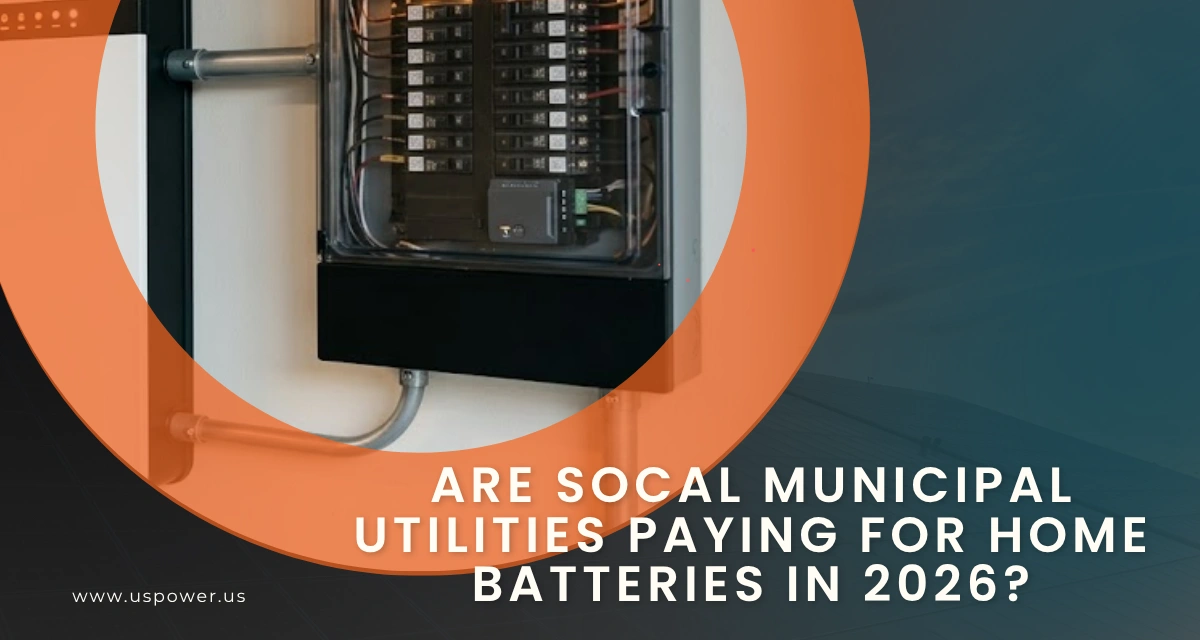
Your city might pay you to install a residential home solar and battery in 2026.
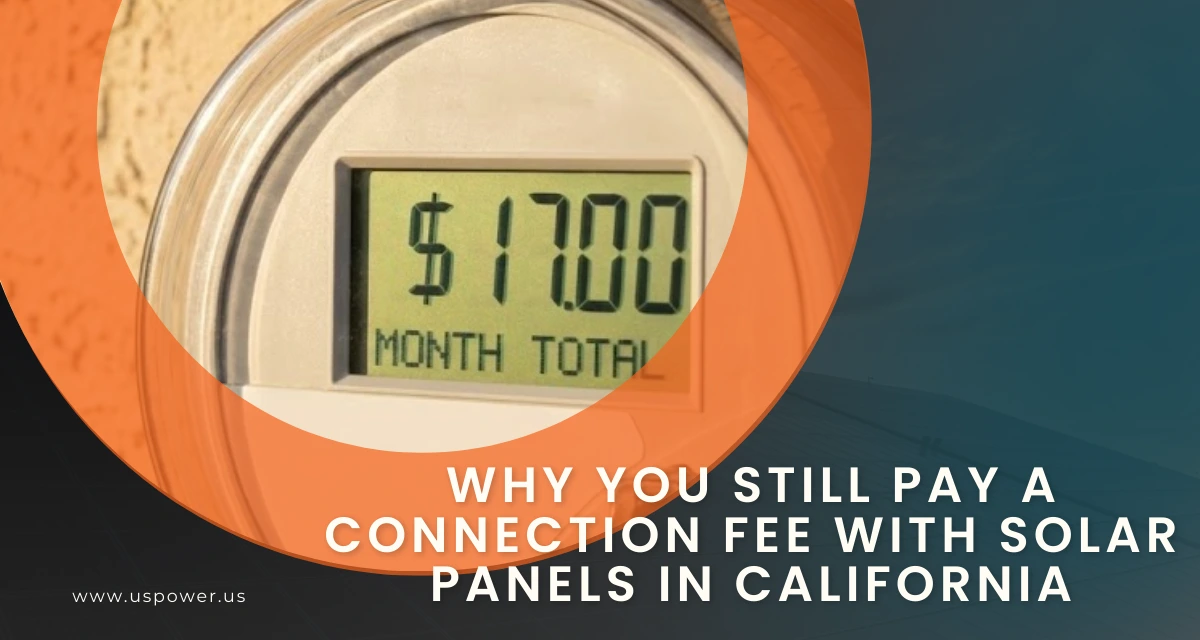
My bill is $17—why am my solar not efficient enough? Learn more from US Power.
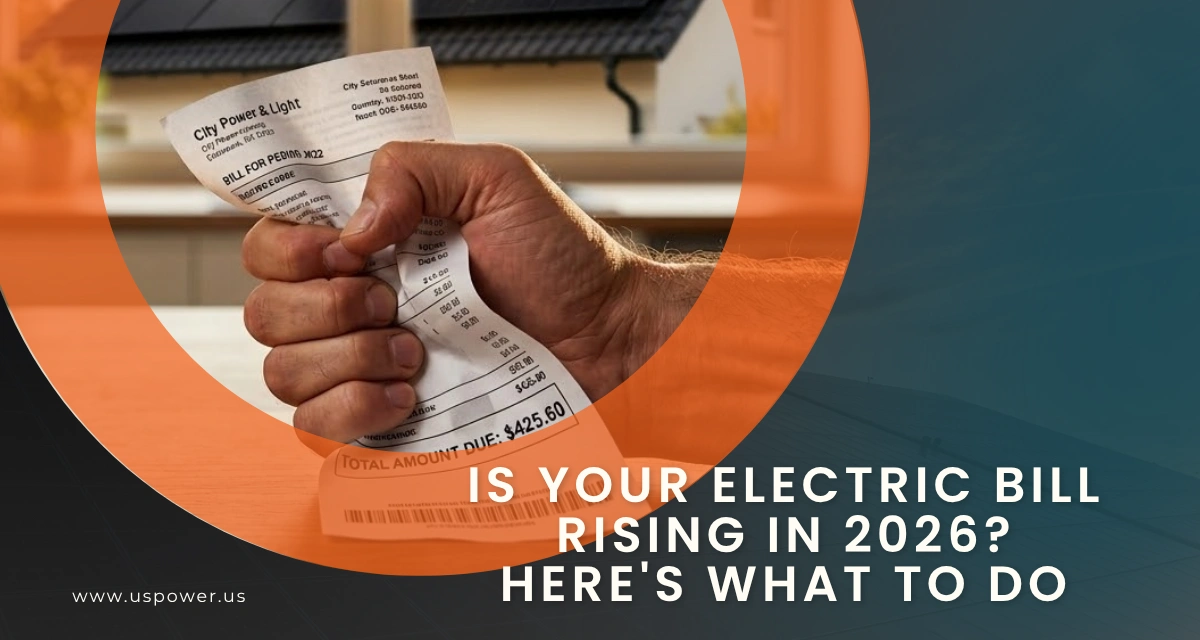
Your electric bill in 2026 is getting higher. In 10 years? You don't want to know.







Copyright © 2026 US Power - Axia by QCells. All Rights Reserved.
Get an instant solar estimate using satellite!