
A new prepaid lease from Participate Energy lets California homeowners capture up to 30% savings on Qcells solar and batteries.

Participate Energy's prepaid lease is a contract structure where a third party passes value back to you as reduced upfront costs on Qcells solar and batteries in California.
The 30% federal solar tax credit for homeowners ended in December 2025, and a lot of Southern California families assumed that meant the era of big solar savings was over. It isn't. US Power has partnered with Participate Energy, offered through its role as a Factory Direct Representative of Axia by Qcells, to bring a new prepaid lease program that passes a similar level of savings back to homeowners, just through a different mechanism.
Here's how the program actually works, what it means if you're pairing solar with a battery, and what to check before you sign anything.
Electricity rates across California keep climbing, and the tax credit that used to soften the upfront cost of going solar is gone for residential buyers.
The 30% credit that used to apply when a homeowner bought a solar system directly expired at the end of 2025. But a separate credit, the commercial solar tax credit under Section 48E, is still available to businesses and other entities that own solar equipment and lease it to someone else. That distinction is exactly what the Participate Energy program is built around. A third party, not the homeowner, claims the commercial credit, and Participate Energy passes that value back to you as reduced upfront costs.
California electricity rates have climbed faster than inflation for years, and that trend hasn't slowed down in 2026. Every month without solar is a month paying full retail rates with no offset, which is part of why US Power is prioritizing programs that lower the barrier to entry rather than waiting for another federal credit that may never return in its old form. For homeowners who held off on solar because the upfront cost felt out of reach without the old 30% credit, this is the first program since it expired that closes a meaningful part of that gap.
The structure sounds unusual at first, but the mechanics are straightforward once you break them down.
Unlike a standard solar lease, where you make monthly payments for decades and never own the system, the Participate Energy prepaid lease is designed to feel closer to a purchase. You pay upfront, at a reduced cost thanks to the pass-through credit, and you have the option to purchase the system outright at fair market value as early as Year 6 of the 25-year term. The agreement also doesn't require a credit check or a lien on your home, and it transfers automatically to a new owner if you sell, with no underwriting required. It's a meaningfully different structure than the pay-as-you-go leases many California homeowners have learned to be cautious about.
Because the exact credit value depends on your system size and household details, the discount won't be identical for every home. US Power says the program is currently expected to remain available through 2027, in line with the commercial credit's phase-out schedule, though no fixed end date has been set. That makes an early consultation worth more than waiting to see if the offer changes.
A US Power consultant reviews your roof, your usage history, and your household's needs the same way they would for a standard purchase or financed system, then runs the numbers specifically for the Participate Energy structure. You'll see the prepaid cost, the estimated savings compared to a standard purchase, and the buyout terms before committing to anything. Because the program passes through a third-party tax credit rather than a direct rebate, the paperwork looks a little different than a typical solar contract, and your consultant walks through exactly what you're signing rather than leaving you to interpret it alone.
Under NEM 3.0, the way your system is configured matters more than ever.
California's NEM 3.0 rules reward homeowners for storing solar energy rather than exporting it to the grid, since export credits have dropped sharply compared to the old NEM 2.0 structure. Pairing a Participate Energy system with battery storage lets you capture that self-consumption value instead of sending cheap exports back to your utility.
A program like this is only as good as the installer standing behind it.
As a Factory Direct Representative of Axia by Qcells, US Power installs tier-1, American-made Qcells panels at factory-direct pricing, so the Participate Energy discount is stacked on top of pricing that's already 15 to 20 percent below what many resellers charge. With 200+ five-star Google reviews and CSLB-licensed consultants managing design through Permission to Operate, the same standards that built US Power's California track record apply to this program.
US Power has served California homeowners since 2022, and the Participate Energy partnership is being layered onto processes the company already runs for every install, not a separate, less-supported product line. That matters for a program built around a less familiar contract structure, since the installation quality, permitting process, and warranty coverage stay identical regardless of how you're paying for the system.
A prepaid lease is different enough from a standard lease that it's worth understanding the fine print before assuming everything works the same as a system you own outright.
Some California incentives, like the SGIP battery rebate and the Qcells VPP program, have historically been available only to homeowners who own their system outright or through a loan, not through a lease or PPA. Because the Participate Energy prepaid lease is structured differently than a traditional lease, whether it qualifies for those specific ownership-based programs can depend on your exact contract terms. Ask your US Power consultant to confirm this directly for your situation before assuming the 30% program and other incentives stack automatically.
The Bottom Line for California Homeowners
The federal residential credit is gone, but the Participate Energy partnership gives California homeowners a real path to comparable savings on Qcells solar and battery systems, backed by the same factory-direct pricing and licensed consultants US Power has used since 2022. The details matter here more than usual, since a prepaid lease is a genuinely different contract than either a purchase or a traditional lease, so a direct conversation with a consultant is worth more than assuming how the numbers work out for your home.


With power use soaring nationwide, SoCal homeowners can’t afford to wait going solar.
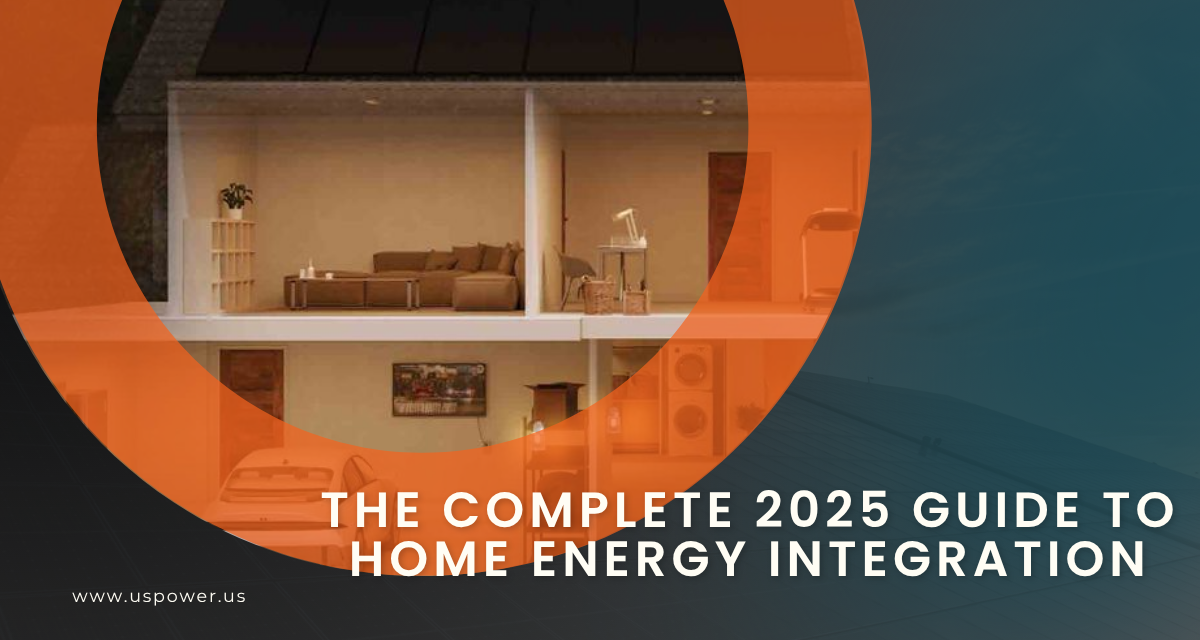
Southern California’s guide to solar-powered EV home charging from QCells + US Power.

Solar drives half of U.S. power growth in 2025—see why California homes must act now.







Copyright © 2026 US Power - Axia by QCells. All Rights Reserved.
Get an instant solar estimate using satellite!