

California homeowners are facing higher electric bills and lower export credits, which makes choosing the right solar panel and battery setup more important in 2026. This guide breaks down the Q Cells panel lineup, explains key specs in plain language, and shows how US Power helps homeowners move forward with factory direct pricing, fast installation, and transparent guidance.
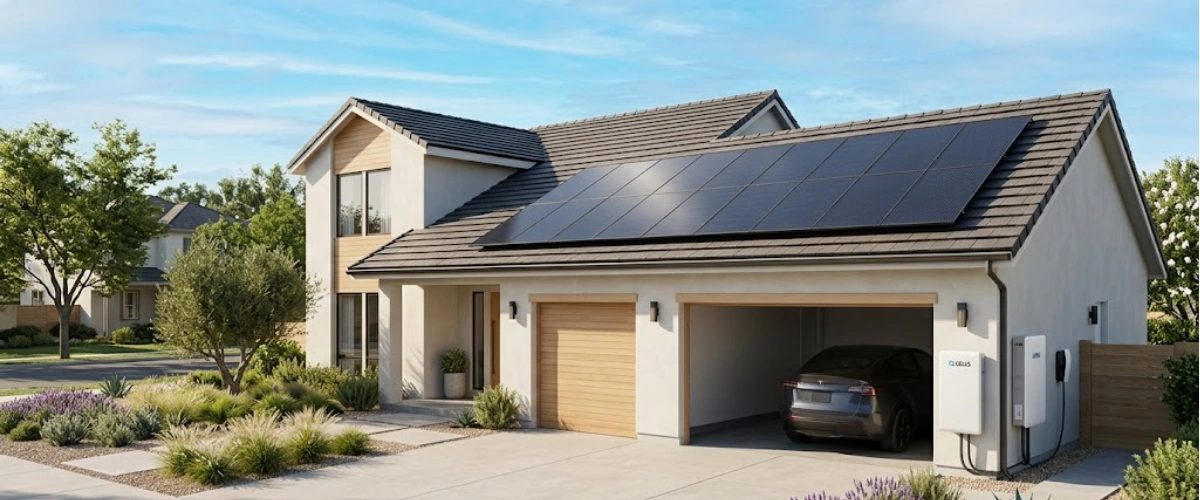
Q Cells offers a lineup of high-efficiency panels suited to California homes with limited roof space. The best fit depends on your roof, your usage, and whether you add a battery.
If your electric bill feels harder to control now than it did a few years ago, you are not imagining it. California homeowners are facing more rate pressure, less generous export values, and more pressure to make the right solar choice the first time.
That is why panel specs matter more than generic sales promises. This guide breaks down the Q Cells lineup, explains what the numbers actually mean for your home, and shows how US Power helps you compare systems built for long term value rather than short term hype.
California rate pressure remains one of the biggest reasons homeowners keep revisiting solar. Even when utility filings move differently across service territories, the larger issue is that many households feel they have less control over what they pay each month.
California’s current solar billing structure reduced the value of simply exporting extra power in the middle of the day. That change made system design, panel quality, and battery pairing much more important than they were under older net metering rules.
Most homeowners are not just worried about savings. They also want to avoid hidden fees, unclear warranties, and rushed proposals that never explain the real difference between one panel and another. US Power’s service messaging leans into transparent pricing and a smoother consultation process, which matches what many homeowners are actually looking for.
Qcells offers residential modules such as the Q.TRON BLK M G2+ and the Q.PEAK DUO BLK ML G10+ series. These products give homeowners access to premium wattage and efficiency ranges, including up to 440 Wp and up to 22.5 percent efficiency on select residential models.
For most homeowners, the most useful specs are wattage, efficiency, warranty coverage, and durability. Wattage helps show output potential, efficiency matters when roof space is limited, and warranty terms help show how much confidence the manufacturer places in long term performance.
A panel is not just about peak output on paper. Qcells also highlights strong load ratings on some modules, which supports confidence in performance over time when panels face weather exposure year after year.
The best panel for your home is not always the one with the biggest headline spec. A well designed system using Qcells solar panels and battery storage should balance roof layout, usage habits, and budget so the system performs the way you expect after installation.
Under California’s Solar Billing Plan, battery storage can help homeowners use more of their own solar production during higher value hours. That makes storage a practical planning decision for many homes rather than a luxury add on.
The best system is built around when your home uses power, not just how many panels fit on the roof. Homes with heavier evening demand often get more value when solar production is paired with storage and thoughtful system sizing through solar panel and battery storage services.
California continues to offer programs that support storage adoption, including SGIP for battery systems and DAC SASH support for qualifying households. That means many homeowners should compare a solar only quote against a solar plus storage design before making a decision.
The biggest mistake in solar marketing is treating every house the same. Real savings depend on your utility territory, your roof, your daily usage, and whether your design uses storage to shift power into the hours when it matters most.
When roof space is limited, higher efficiency panels can produce more from the same footprint. That is one reason Qcells remains a strong option for California homeowners who want a cleaner design without sacrificing too much output.
A fast solar savings estimate can help you understand possible system size, expected bill reduction, and whether a battery may improve the overall value. It is not a substitute for a final design, but it makes the next conversation much more useful.
US Power’s positioning around Qcells partnership details and factory direct Qcells solar panels matters because equipment sourcing and installer support are not always equal from one quote to the next. Homeowners comparing offers often assume the panels are the same across every proposal, but the support structure behind the system can make a real difference.
When homeowners evaluate installers, they usually focus on simple trust questions. Is pricing transparent, are consultants licensed, and will the company still be responsive after the system is turned on. US Power emphasizes transparent pricing, CSLB licensed consultants, and a consultation process built to reduce confusion.
A long wait can dilute the urgency homeowners feel when bills keep rising. US Power promotes a quick installation timeline after approval, which supports homeowners who want to move from research to action without unnecessary delays.
Even if this article focuses on California, many readers still want to know whether the installer can support other markets or future moves. That is why Service Areas can be helpful for readers comparing regional options.
People want to see work that feels real, not just promises. Looking at recent solar project examples can help readers understand the kind of installations a company is actually delivering.
A useful proposal should reflect your actual utility structure, daily usage pattern, and roof conditions instead of relying on one set of averages. That is especially true in California, where utility rates and export rules change how value should be measured.
The best next step is not guessing which panel looks best on paper. It is comparing your roof, your bill, your usage habits, and your storage options in a way that shows what will actually help your home the most.
If you want a clean starting point, the US Power home page can lead you to product details, consultations, and next step resources. A good solar decision should feel informed and practical, not rushed or confusing.
Choosing solar in 2026 is less about chasing a simple incentive and more about choosing the right equipment, storage strategy, and installer for your home. Q Cells gives homeowners a strong lineup to consider, and a clearer consultation process can make the difference between a system that only sounds good and one that performs the way you expect over time.


Avoid solar regret with expert planning for panels, battery, and future needs.

Simplify solar decisions and increase savings through US Power abnd Qcells solar prod
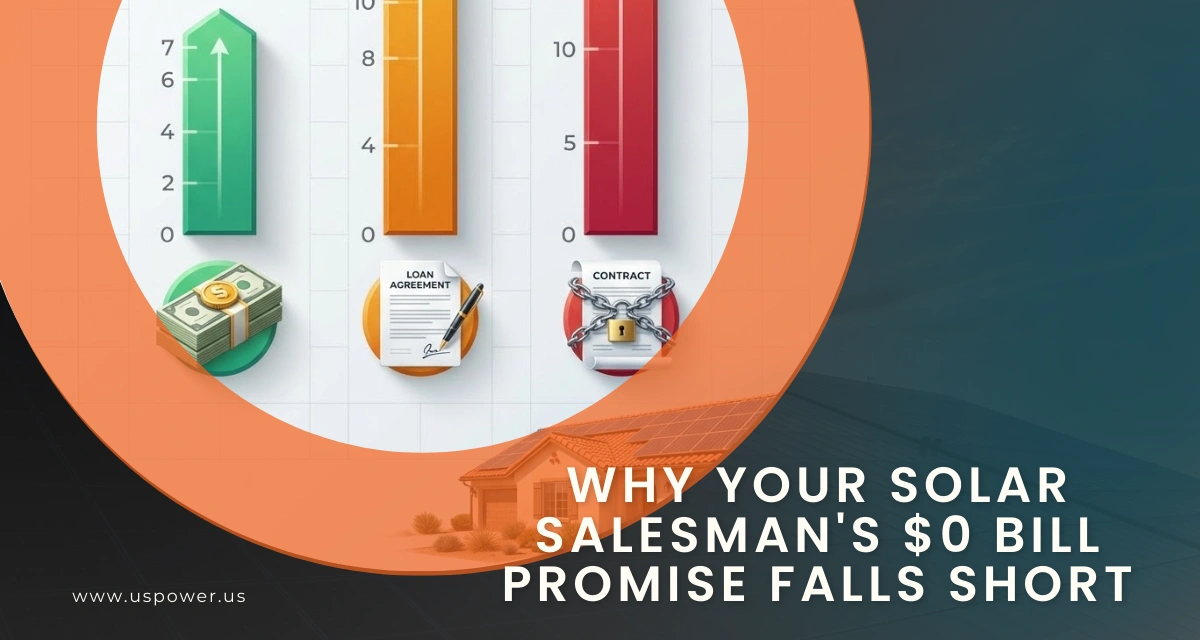
When the math doesn't match the sales pitch. Here's what you should understand.








Copyright © 2026 US Power - Axia by QCells. All Rights Reserved.
Get an instant solar estimate using satellite!