

Lancaster homeowners face high cooling bills, rising utility rates, and strong sunlight that makes solar a smart fit. In 2026, the right system can lower monthly costs, improve energy control, and add long term value.
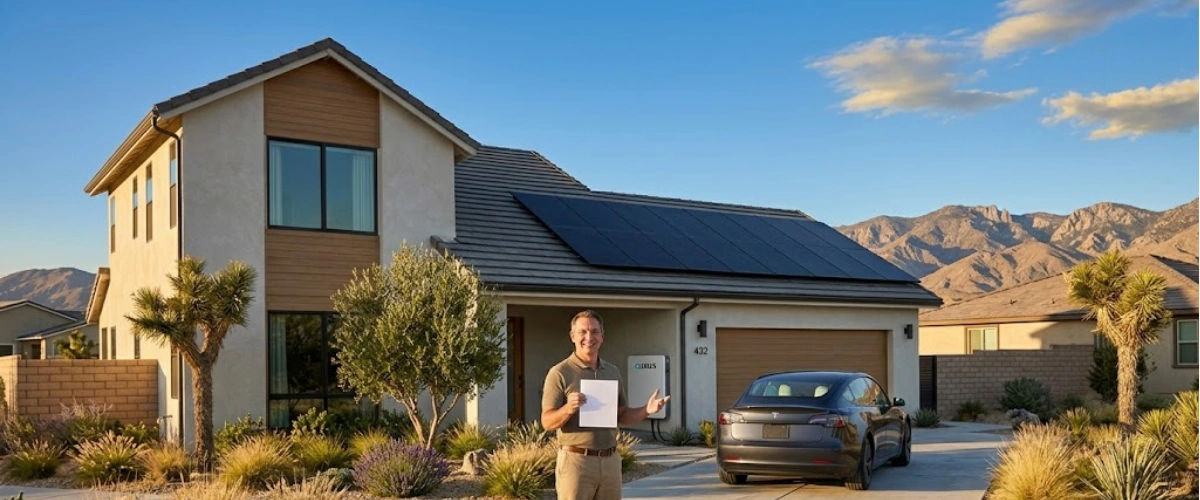
Lancaster homeowners face high cooling bills and rising utility rates, and strong sunlight makes solar a smart fit. The right system can lower monthly costs and add long term value.
Lancaster gets intense sun, but many homeowners still feel stuck with rising electric bills. In 2026, solar can turn that sunlight into monthly savings, especially when your home works hard to stay cool through long desert summers.
Lancaster is one of the better places in California to evaluate solar because the desert sun is abundant and summer cooling loads are high. That combination can create a strong case for solar, especially for homeowners who want more predictable bills. The local housing stock also includes many single family homes that can support rooftop systems well.
At the same time, homeowners are more cautious than ever. They want clear pricing, a real installation timeline, and a company that can explain the process without pressure. That is why a simple, local explanation matters more than broad marketing claims.
Lancaster’s climate gives homeowners a useful advantage: strong solar production potential across much of the year. Homes in hotter areas often use more electricity because air conditioning runs longer and harder, which can make solar more valuable.
When your roof gets steady sun and your home needs more power during the day, the system can offset more of your usage. That is one reason Lancaster homeowners often see solar as a practical home upgrade instead of just a green choice.
Even when a home is efficient, utility costs can still rise because rates keep changing. In California, homeowners are paying close attention to those changes, especially in places where cooling loads are high. That makes solar appealing because it can reduce how much power you need to buy from the utility.
The question for most homeowners is not whether rates matter. It is how much relief solar can actually provide over time.
Lancaster solar pricing in 2026 is competitive by California standards. Recent local estimates show average installed pricing around $2.39 per watt, with one Lancaster system example using an average size of 8.93 kW. Another estimate puts a 5 kW system around $10,675 after credits, which gives homeowners a rough sense of the market.
For many homeowners, that means the real question is not whether solar costs money. It is whether the monthly savings can offset the system over time, especially as utility rates keep changing. In a high sun market like Lancaster, the answer is often yes when the system is sized well and matched to your usage.
Your final cost depends on roof size, system size, equipment quality, labor, and whether you add storage. Lancaster homeowners with higher summer usage often need a larger system than they expect because air conditioning can push demand up fast. That is one reason transparent design matters more than a one size fits all quote.
The best proposals do not just give you a sticker price. They explain what your bill looked like before solar, what it may look like after solar, and how long payback could take under current California rules.
Solar payback is not about chasing a perfect number. It is about comparing your current utility spending with the long term value of producing more of your own power. If your bill is already high, solar can create a more predictable path forward.
Many Lancaster homeowners care about monthly cash flow more than abstract theory. That is why solar financing options matter just as much as equipment brand when you compare proposals.
Lancaster homeowners deal with long, hot summers, and that makes energy bills feel painful fast. When your home needs more electricity for cooling, a solar system can offset a larger share of usage than it might in a milder climate.
Savings also depend on how much power you use during the day versus evening. Under California’s current net billing structure, exporting excess power is less valuable than it used to be, so self consumption matters more. That is why solar plus storage is often the smarter long term strategy.
A battery helps you keep more of the solar energy you generate during the day. Instead of sending extra power to the grid for a lower credit, you can use it later when your home needs it most. This is especially useful for Lancaster families that run AC after sunset.
Homeowners exploring solar battery storage often find that batteries add both flexibility and peace of mind. Batteries also add resilience during outages and can make your solar system more useful overall. California battery incentives may help eligible customers reduce storage costs, depending on utility and qualification rules. That makes storage worth discussing early in the planning process.
Savings vary by home, roof, equipment, and usage, so no one should promise a universal number. A household with high summer AC demand may see much better results than a smaller home with modest usage. The goal is to produce enough power to reduce your monthly exposure to utility increases.
The smartest way to think about savings is long term. Solar can help turn part of your utility bill into a fixed home investment instead of a recurring expense.
US Power is built for homeowners who want clarity, not confusion. The company’s model centers on factory direct QCells solar panels, transparent pricing, CSLB licensed consultants, and a 25 year comprehensive warranty on panels, workmanship, and performance. Those details matter because solar is a long term home investment.
US Power also emphasizes fast residential solar installations, with a typical 3 to 4 week installation timeline after approval. That speed is useful in a market where utility costs keep moving and appointments fill quickly. Homeowners can also review real customer reviews before making a decision, which helps build trust.
Lancaster heat is hard on equipment, so the panel and installer quality both matter. A strong warranty and reliable equipment reduce worry over the life of the system. That is where US Power’s QCells partnership becomes especially relevant.
If you are comparing proposals, look beyond the monthly payment. Ask who installs the system, what is covered, and how the company handles service after the sale. Those questions often reveal the difference between a clean proposal and a risky one.
Solar rules, utility billing, and project timing all affect the result. A team that understands California homes and utility behavior can help you avoid the mistakes that lead to weak savings. That is especially important in places like Lancaster, where heat and usage patterns can shift the numbers quickly.
Homeowners often feel better when the company explains the process step by step. It creates trust and helps you make a decision based on facts instead of pressure.
The smartest solar buyers compare more than price. They compare system size, equipment quality, warranty terms, installation speed, and whether the company explains local billing rules clearly. In California, that is especially important because current net billing changes the value of exported solar power.
Lancaster homeowners should also think about future needs. If you expect an EV, a growing family, or higher AC usage, your system should be sized with that in mind. A system that is too small can leave you still dependent on the utility, while an oversized proposal can waste money upfront.
These questions keep the conversation focused on value instead of sales pressure. They also help you compare proposals on equal ground.
A lower price can look attractive at first, but it may come with weaker equipment, less support, or a longer wait time. A stronger proposal explains the tradeoffs in plain language. That makes it easier to choose a system that fits your home instead of your neighbor’s situation.
One smart next step is to book an appointment for a personalized review based on your roof, usage, and long term goals.
Lancaster homeowners do not need a complicated solar pitch. They need a clear estimate, honest payback assumptions, and a company that can install the system well. With strong desert sun, rising utility pressure, and better equipment choices, solar can still be a smart long term move in 2026.
If you are ready to lower your monthly bill, the next step is simple. Review your usage, compare system options, and talk to a team that can explain the numbers in plain language. That is the fastest way to decide whether solar fits your home and your budget.


Discover why US Power homeowners prefer QCells for long-lasting solar energy.

Flat-roof solar cuts upfront costs and delivers up to $45k in lifetime savings.

Learn how solar panels deliver fast ROI and best payback for California homes.








Copyright © 2026 US Power - Axia by QCells. All Rights Reserved.
Get an instant solar estimate using satellite!