

Discover the ins and outs of Net Energy Metering 2.0 California with our comprehensive guide. The potential of solar savings and efficient solar energy.
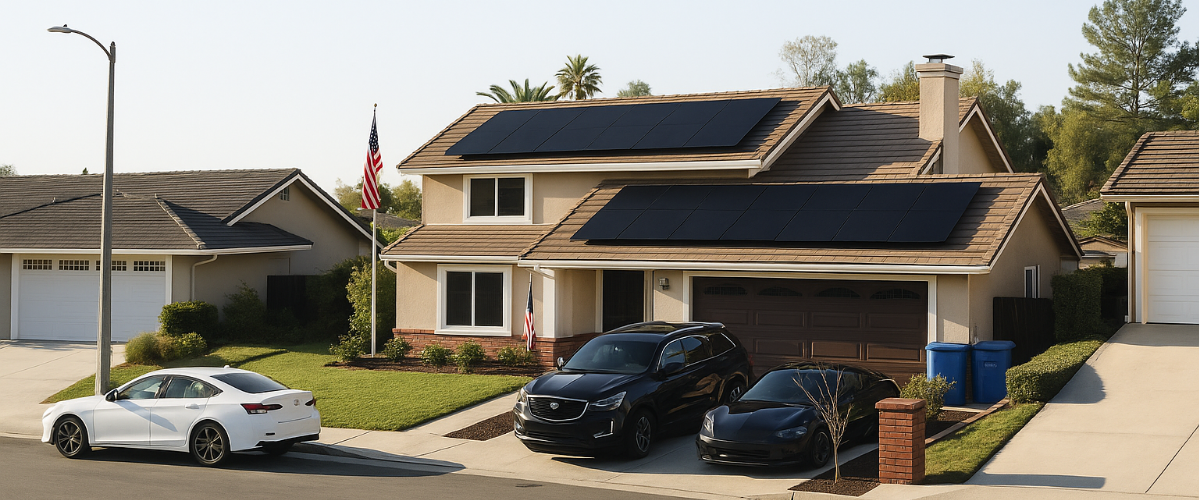
California has long been at the forefront of renewable energy initiatives, and Net Energy Metering (NEM) 2.0 is a pivotal part of this movement. As solar energy becomes increasingly popular, understanding the intricacies of Net Energy Metering 2.0 California is crucial for both current and potential solar energy users. This guide will delve into the details of NEM 2.0, its benefits, and practical applications.
Net Energy Metering 2.0 California is a billing mechanism that allows solar energy users to receive credits for surplus electricity they generate and send back to the grid. This system was designed to encourage the adoption of solar power by making it financially viable for homeowners and businesses.
Under NEM 2.0, solar energy users are charged for the net electricity they consume, which is the difference between the electricity drawn from the grid and the electricity generated by their solar panels. This approach supports the growth of sustainable energy solutions and helps reduce the reliance on fossil fuels.
• Financial Savings: NEM 2.0 allows users to significantly reduce their electricity bills by earning credits for excess energy production.
• Environmental Impact: By encouraging solar adoption, NEM 2.0 contributes to a reduction in carbon emissions and promotes cleaner air.
• Energy Independence: Users gain more control over their energy consumption and production, reducing dependency on traditional power sources.
• Increased Property Value: Homes equipped with solar panels and NEM 2.0 can see an increase in property value due to lower utility costs and sustainability features.
NEM 2.0 introduced several changes from its predecessor, NEM 1.0, to better align with California's energy goals and grid management needs. Key differences include:
• Time-of-Use Rates: NEM 2.0 requires customers to switch to time-of-use rates, which charge different prices based on peak and off-peak hours.
• Non-Bypassable Charges: Users are subject to additional charges that cannot be offset by solar credits, covering costs associated with public purpose programs and grid maintenance.
Consider a homeowner in Los Angeles with a 5 kW solar panel system. On a sunny day, their system might produce more energy than needed, sending the surplus back to the grid. Under NEM 2.0, this homeowner earns credits that can offset future electricity usage, effectively lowering their monthly utility bill.
Businesses, particularly those with large rooftops or open spaces, can also benefit significantly. By installing solar panels and participating in NEM 2.0, businesses can reduce operational costs and enhance their sustainability credentials.
In conclusion, Net Energy Metering 2.0 California is a vital component of the state's renewable energy strategy, offering numerous benefits to participants. By understanding and utilizing NEM 2.0, users can enjoy financial savings, contribute to environmental sustainability, and gain energy independence. As the US power landscape evolves, embracing such programs is essential for a sustainable future.
If you're considering solar energy solutions, explore how US Power can assist in optimizing your energy needs and maximizing the benefits of NEM 2.0.


The 30% solar credit didn't disappear. It just moved to a different kind of contract.
Your residential solar panels may be working. Your wallet might not be. Here's why.

Own it in year 6. No lien. No credit check. Priced below cash. Call us today!








Copyright © 2026 US Power - Axia by QCells. All Rights Reserved.
Get an instant solar estimate using satellite!