

DIY solar kits look simple until permits get rejected and code issues surface. Here's why professional installation saves time, money, and headaches.
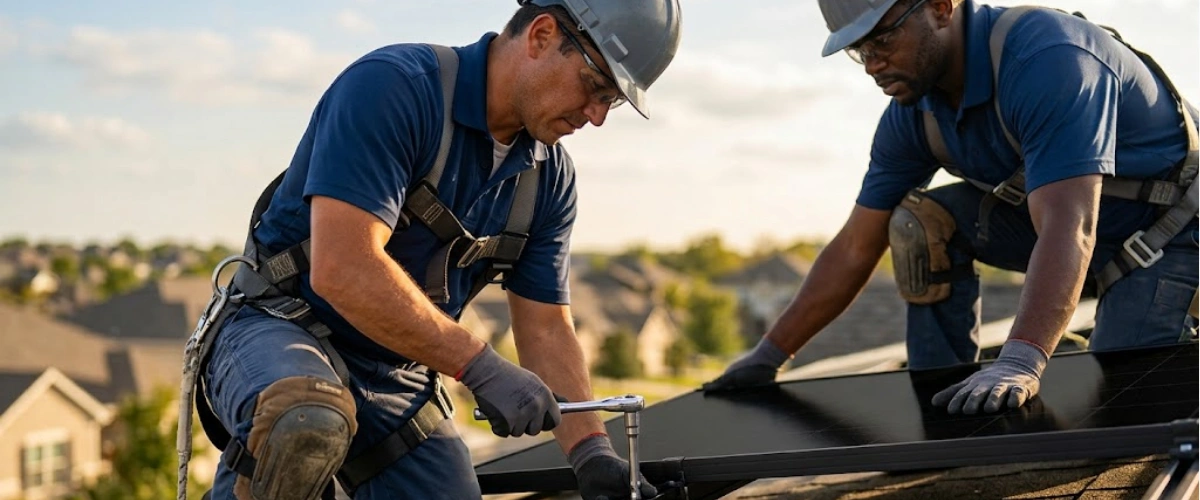
DIY solar kits promise big savings and a simple weekend project. The reality often looks different. Homeowners who go this route frequently run into roof measurements that do not match the plans, permit rejections tied to battery storage, and code requirements they never anticipated.
What starts as a straightforward equipment order can quickly turn into weeks of back and forth with your city's building department. Some homeowners end up relying on family members with construction or electrical backgrounds just to get through inspection, which is not an option for most people considering solar.
Professional installation exists to solve exactly these problems. Before you order a pallet of panels, it helps to understand what actually goes into a compliant, code approved solar system, and why having one team handle it from design to inspection makes such a big difference.
Solar kits are marketed as plug and play. In practice, every roof is different, and every city has its own permitting quirks. Skipping professional oversight means you absorb all of that risk yourself.
Many DIY kit providers design your layout using satellite imagery instead of an actual site visit. That can mean the array configuration on paper does not fit your real roof. Homeowners have discovered this only after the equipment arrived, forcing a last minute redesign.
A professional installer measures your roof directly before finalizing any plans. That single step prevents delays, wasted material, and mismatched equipment orders.
Roof pitch, obstructions like vents and chimneys, and shading from nearby trees all affect how many panels actually fit and how much power they can produce. Satellite based estimates simply cannot capture these details with enough precision, which is why an in person site visit remains a standard part of any professional installation.
Battery storage systems bring extra scrutiny from most Southern California building departments. Fire rated drywall, heat detectors, and safety bollards around battery equipment are common requirements, and the way these details are drawn on your plans matters just as much as whether they exist at all.
DIY kit providers who are not local often submit plans that get bounced back multiple times. Each revision adds weeks to your project, and every rejected submission is a reminder that permitting is not a step to improvise.
Some rejections come down to small details, like how a fire rated wall section is labeled on a drawing rather than whether the material itself meets code. A team that submits plans to your specific city on a regular basis already knows these local preferences, which is exactly why repeat rejections are so much less common with professional oversight.
A solar system is more than panels on a roof. Every component has to be sized correctly, wired to code, and documented for the utility company before you can flip the switch.
Battery backup systems installed in a garage often need fire rated separation, ventilation, and clearly labeled disconnects. Inspectors look closely at conduit type and placement too, since moisture and heat resistance both affect long term safety.
Getting these details right the first time means your project reflects proper permitting and incentive requirements from day one, rather than after a failed inspection.
Conduit choice matters too. Flexible conduit offers moisture resistance and is easier to install without specialized bending tools, while rigid metal conduit offers a higher fire resistance rating in certain applications. A professional consultant selects the right option for your specific setup instead of leaving that decision to guesswork.
An undersized system will not cover your usage, and an oversized one wastes money on panels that just export power at low value under current net metering rules. Getting this right requires more than a quick online calculator.
A professional consultant will help you size your solar system correctly based on your actual electricity usage, roof orientation, and future plans like an EV.
Once installation wraps up, your city still needs to inspect the completed system before your utility company will approve interconnection. Inspectors check grounding, breaker placement, conduit routing, and labeling against the exact plans that were approved earlier.
Any mismatch between what was installed and what was approved can mean another delay while corrections are made. Professional installers build to the approved plans precisely, so this final step tends to move quickly.
The value of professional installation is not just the labor. It is having one accountable team managing every stage of the project.
When a single company handles design, permitting, installation, and inspection, there is no finger pointing if something does not fit or a plan gets rejected. Your project manager owns every step and adjusts quickly when problems come up.
Battery systems are where DIY installations run into the most permitting trouble. A professional team understands the real value of battery storage and how to document it correctly so your city approves it on the first submission.
Not every solar company operates the same way, and the differences show up most clearly when something unexpected happens during your project.
US Power sources American-made QCells panels factory direct, which keeps pricing transparent without sacrificing quality. If you want to see pricing specifics for your home, you can get a factory-direct QCells quote built around your actual usage.
Every project moves through a professional solar installation team backed by CSLB licensing and a 25-year comprehensive warranty. Your consultant also walks you through financing your solar investment so ownership fits your budget.
DIY kits can look cheaper on paper, but the comparison rarely accounts for everything a full installation actually requires.
Engineering stamps, permit fees, inspection coordination, and warranty support on labor are often left out of a kit's advertised price. When you compare solar quotes carefully, these gaps become obvious fast.
Rising utility rates mean your solar payback timeline matters more than ever. A correctly sized, professionally installed system reaches breakeven faster because it performs as designed from day one, without rework or downtime.
Solar is a 25-year investment, and the way it is installed determines whether it performs that way. Professional installation means correct roof measurements, code compliant battery storage, and permits approved without repeated rejections.
US Power backs every project with CSLB-licensed consultants, factory-direct QCells pricing, and 200+ five-star reviews.


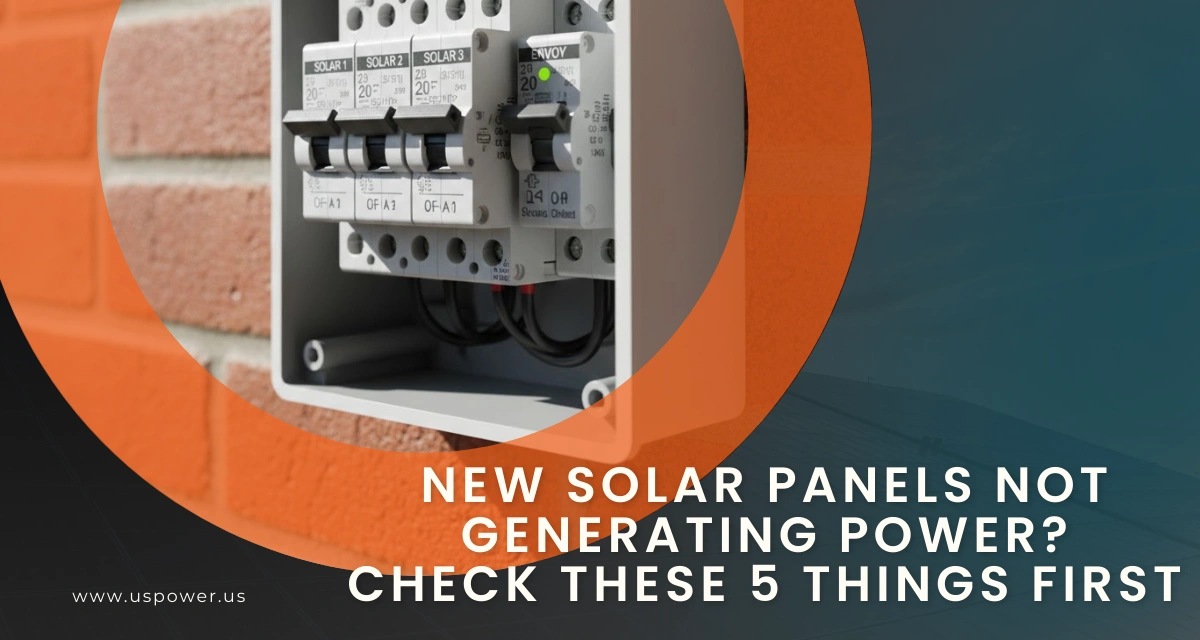
Your solar installer said it's ready, but your monitoring app shows zero production.
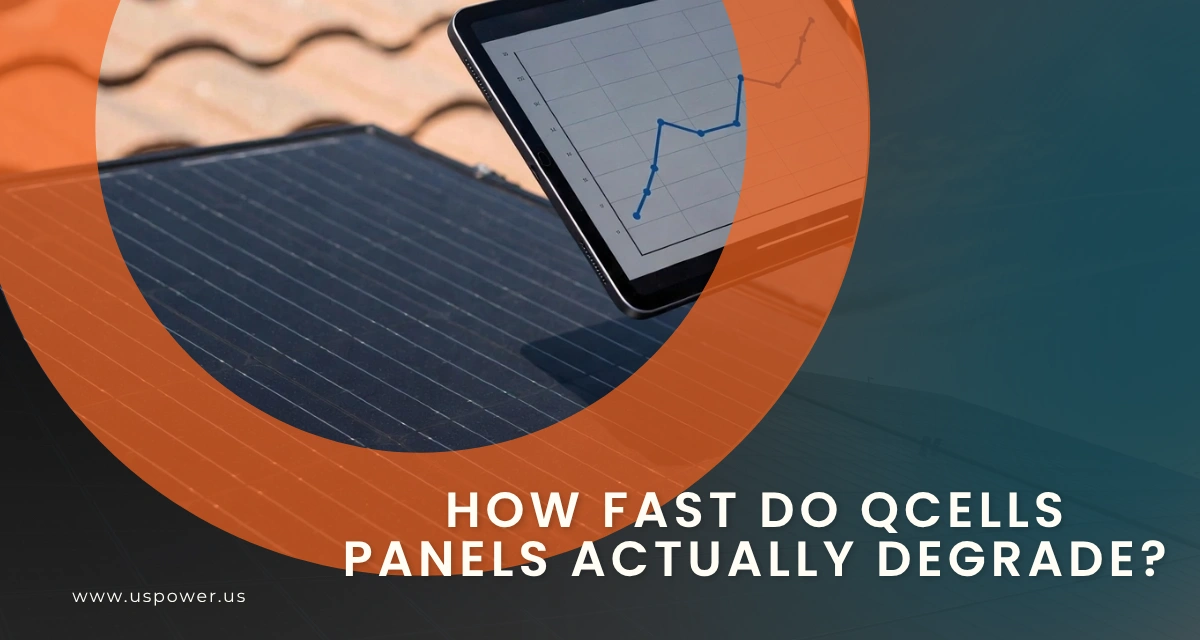
Qcells panels lose under one percent of output per year. Here is the real math.

A 25-year warranty is only as good as the company behind it. Here is who holds up.







Copyright © 2026 US Power - Axia by QCells. All Rights Reserved.
Get an instant solar estimate using satellite!