
Los Angeles homeowners are paying some of the highest electricity rates in the country. US Power, the city's exclusive QCells solar installer, offers factory-direct American-made panels, a 25-year comprehensive warranty, and installations completed in as little as 3–4 weeks.
Your electricity bill was not supposed to be this expensive. Yet here in Los Angeles, LADWP customers are now paying between $0.23 and $0.37 per kilowatt-hour depending on usage tier — 34% above the national average. At 4% annual escalation, that same rate hits $0.60 per kWh by 2051.
Solar is the one tool that lets you lock in your energy cost today and stop watching it climb. But not all installers are the same. If you are researching a QCells solar installer in Los Angeles, this guide breaks down exactly what the panels do, what the installation process looks like, and why US Power stands apart in a crowded LA market.
LADWP operates a three-tier pricing system. The more electricity you use, the more you pay per kilowatt-hour. Tier 1 baseline usage runs around $0.23 per kWh. Tier 3, which many households hit during hot summer months, exceeds $0.37 per kWh. Add the City of Los Angeles Electricity Users Tax — a 10% surcharge on top of all energy charges — and heavy users are effectively paying close to $0.40 per kWh at peak.
A January-through-March 2026 rate adjustment added another 2.5 cents per kWh compared to the same period last year. LADWP continues raising rates to fund aging infrastructure upgrades across the city, and those increases show no sign of stopping.
Every kilowatt-hour your solar panels generate and you consume directly avoids the most expensive electricity on your bill first. A properly sized system can eliminate or dramatically reduce your Tier 2 and Tier 3 charges — which is where most homeowners are getting hit the hardest.
LADWP also offers one of the best net metering arrangements left in California. Unlike Southern California Edison customers under NEM 3.0 who receive around $0.08 per kWh for solar exports, LADWP customers still earn full retail-rate credits — worth $0.22 to $0.37 per kWh — for power they send back to the grid. That single policy difference makes going solar significantly more valuable for LA homeowners than for many of their neighbors in adjacent utility territories.
QCells panels are manufactured in Dalton, Georgia — making them one of the few truly American-made solar panels available at scale. That matters for quality control, supply chain reliability, and long-term warranty backing. Los Angeles gets approximately 284 sunny days per year with 5.6 peak sun hours per day, creating ideal conditions for consistent, high solar production.
QCells' advanced N-type technology delivers superior energy conversion rates, better low-light performance, and minimal degradation over time. For inland Valley neighborhoods like Sherman Oaks, Encino, and the San Fernando Valley where summer temperatures regularly exceed 100 degrees, the panels are also engineered specifically for heat tolerance — they do not lose efficiency the way older panel technologies do when temperatures rise.
Most solar companies buy panels through distributors, markups included. US Power's exclusive partnership with QCells eliminates that middleman entirely. The result is factory-direct QCells solar panels priced 15–20% below what you would pay through typical retail solar channels.
That price difference is not just a talking point. In 2026, with no federal tax credit in play, a lower base system cost directly means a lower monthly payment on a financed system and a faster overall payback period on a cash purchase.
QCells backs their panels with a 25-year product, performance, and workmanship warranty. US Power passes that full coverage directly to you — panels, workmanship, and performance. There are no asterisks, no separate labor warranty, and no third-party financier standing between you and your coverage.
The installation timeline is one of the most frustrating parts of going solar in Los Angeles. Permitting, LADWP interconnection, and inspections can stretch the process considerably depending on your location in the county. Hillside and coastal zones in the Santa Monica Mountains, Hollywood Hills, or Pacific Palisades typically require additional structural review that adds time.
US Power manages the entire process for you. For a residential solar installation in Los Angeles, the typical timeline from contract signing to Permission to Operate runs 3–6 weeks for most Valley and mid-city neighborhoods — and our CSLB-licensed consultants handle all permit submissions, LADWP interconnection paperwork, and inspection scheduling so you never have to chase a government agency on your own.
Physical installation for a standard residential system is typically completed in one to two days. The crew mounts racking on your roof, installs the QCells panels, runs wiring to the inverter, and connects everything to your main electrical panel. US Power uses certified installation partners experienced with LA's specific structural and electrical code requirements — which vary across neighborhoods and housing types throughout the county.
After installation, your system goes through city or county inspection before LADWP grants Permission to Operate. Once approved, your system activates and begins generating power and earning net metering credits the same day.
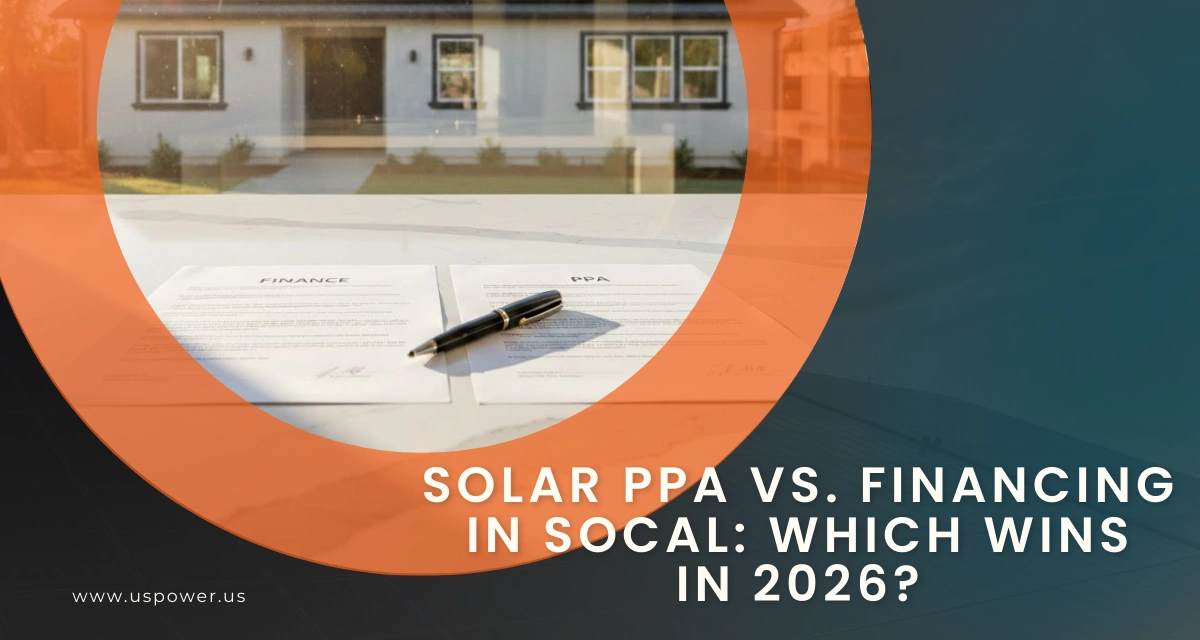
The good news is that QCells solar through US Power is accessible without a large upfront payment. Many qualified homeowners start with $0 down, with structured monthly payments that come in below their current LADWP bill. For a deeper look at how the numbers work, you can review solar financing options in Southern California or compare the differences between PPA vs. financing for solar in SoCal before your consultation.
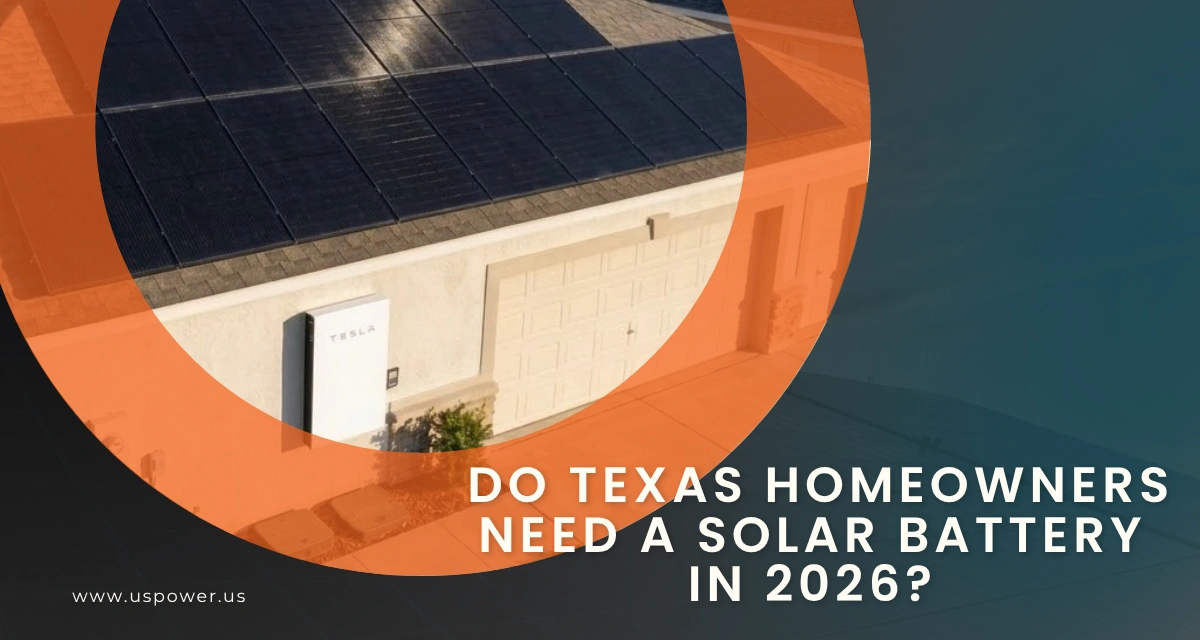
California also offers the SGIP (Self-Generation Incentive Program) for battery storage, providing $150–$200 per kWh toward a battery system for qualifying homeowners. LADWP customers may also qualify for the Solar Incentive Program (SIP), which provides up to $0.30 per watt in additional rebates. Your US Power consultant will identify every current incentive you qualify for.
US Power is not one of dozens of companies authorized to sell QCells panels. The exclusive factory-direct partnership means US Power has a direct supply relationship with QCells that no other LA installer can offer. You are getting American-made panels at the price a manufacturer's representative would pay — not the price a reseller marks up for retail.
For homeowners, that translates to a better system at a lower cost, backed by a company with 200+ five-star Google reviews and a team of CSLB-licensed consultants who handle your project from the first conversation through your first utility bill after going live.
US Power handles residential solar panels in California as well as commercial solar installation services for business owners looking to reduce operating overhead. Whether your energy usage is 500 kWh or 5,000 kWh per month, the team designs a custom system sized precisely for your load — not a one-size-fits-all quote.
US Power has completed installations throughout Los Angeles County — from the San Fernando Valley to the Westside and South Bay. Homeowners looking for solar installation in Sherman Oaks and the San Fernando Valley will find US Power well-versed in LADWP's interconnection process for Valley ZIP codes, which typically clears faster than hillside or coastal zone applications.
For neighborhoods like Van Nuys, Encino, Reseda, Northridge, Woodland Hills, and Canoga Park, the Valley's higher insolation levels — about 8% more annual sun than mid-city — make solar even more productive. Homeowners with solar panels installed in Van Nuys and surrounding communities regularly report their systems generating at or above projected output in the first year.
Because LADWP's rate structure penalizes high-usage households most severely, the homeowners with the most to gain from solar are those consistently hitting Tier 2 and Tier 3 — which typically means homes over 2,000 square feet with central air conditioning running through summer. These households in communities like Sherman Oaks, West Hills, Tarzana, Studio City, and Pasadena often see their electric bills cut by 80% or more in the first year after installation.
Every month you wait is another LADWP bill at rates that will only be higher next year. The combination of LA's world-class sun exposure, LADWP's favorable net metering, and US Power's factory-direct QCells pricing creates a window for homeowners that is genuinely compelling in 2026.
A properly sized QCells system through US Power typically pays for itself in 5–7 years and then generates pure savings for the remaining 17+ years of its warranted life. The first step costs nothing — US Power offers free consultations, virtual or on-site, with no pressure and no hidden fees.


Your SCE bill keeps rising. Now you need to pick the right way to go solar.
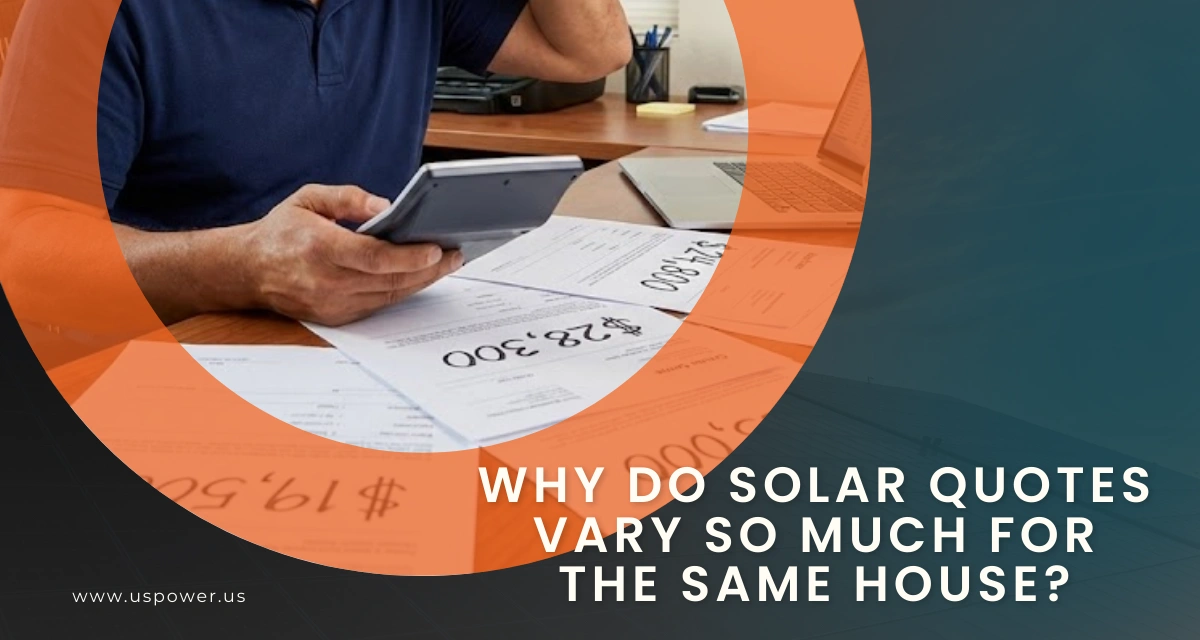
Same house in Southern California. Five quotes. $22,000 price gap. What's going on?
Your residential solar panels may be working. Your wallet might not be. Here's why.







Copyright © 2026 US Power - Axia by QCells. All Rights Reserved.
Get an instant solar estimate using satellite!