
Curious about solar investments? Our "Solar Panel Cost Analysis 2025" breaks down future trends, helping you make informed decisions.
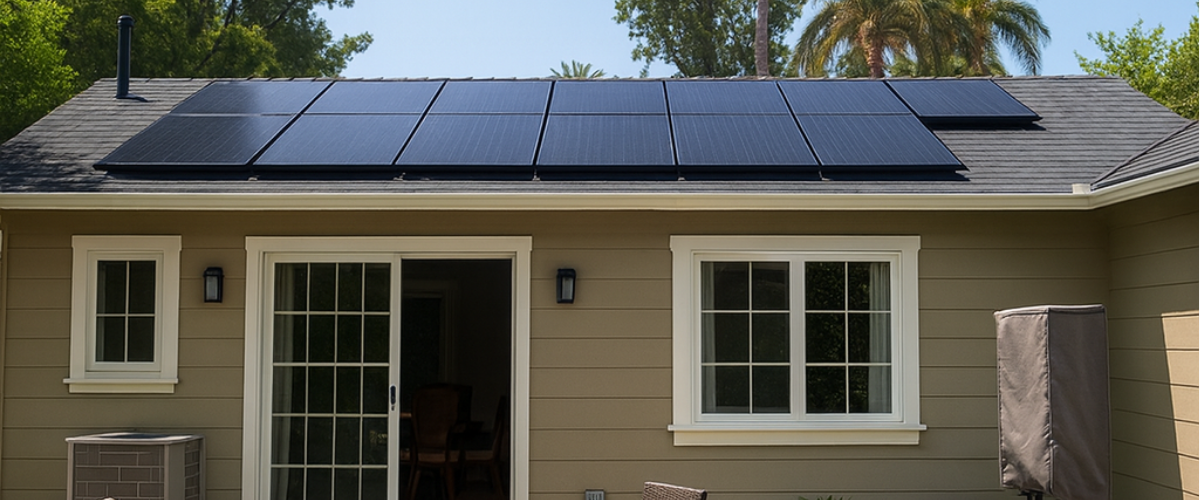
The transition to renewable energy sources is becoming increasingly crucial as we approach 2025. Solar panels, a leading option in this transition, are at the forefront of discussions regarding cost-effectiveness and sustainability. Understanding the cost dynamics of solar panels in 2025 is essential for businesses and homeowners looking to invest in clean energy solutions.
As we look ahead to 2025, several factors will influence the cost of solar panels. These include technological advancements, government policies, and market demand. Analyzing these elements provides a clearer picture of what to expect and how to plan for solar investments.
• Efficiency Improvements: Continued research is leading to more efficient solar panels, which can generate more electricity per square meter.
• Material Innovations: New materials, such as perovskite, are being developed to reduce costs and increase durability.
• Manufacturing Processes: Automation and improved manufacturing techniques are expected to lower production costs, making solar panels more affordable.
• Tax Credits: Many governments are extending tax incentives to encourage solar panel installation, reducing the overall cost for consumers.
• Subsidies: Direct subsidies can significantly decrease the upfront investment required for solar panels.
• Regulations: Stricter environmental regulations may increase demand for solar panels, influencing market prices.
• Increased Adoption: As more businesses and households adopt solar energy, economies of scale are likely to reduce prices.
• Global Supply Chain: The global supply chain's efficiency will play a critical role in determining the cost of solar panels.
• Geopolitical Factors: International relations and trade agreements can impact the availability and pricing of solar technology components.
For instance, a mid-sized manufacturing company considering solar panels in 2025 should assess these factors:
• Cost-Benefit Analysis: Evaluate the long-term savings on energy bills against the initial installation costs.
• ROI Calculations: Determine the return on investment by factoring in government incentives and reduced energy costs.
• Environmental Impact: Consider the positive impact on the company's carbon footprint and sustainability goals.
In summary, the solar panel cost analysis for 2025 indicates a promising outlook for those considering renewable energy investments. With advancements in technology, supportive government policies, and increasing market demand, solar panels are becoming more accessible and cost-effective. Companies like US Power are at the forefront of providing comprehensive energy solutions, helping businesses and homeowners transition smoothly to solar energy.
For those ready to explore solar energy options, partnering with a trusted provider like US Power can ensure a seamless transition to sustainable energy. Their expertise in navigating the evolving landscape of solar technology makes them an ideal partner for future-proofing your energy needs.


Combat rising electricity costs with smart home solar solutions from US Power.

Avoid SCE’s 10% rate hike with solar savings with US Power and Qcells Technology.

QCells Solar Panels + Powerwall maximum solar savings. PG&E true-up explained.








Copyright © 2026 US Power - Axia by QCells. All Rights Reserved.
Get an instant solar estimate using satellite!