

Wondering how long it takes to go solar in Illinois? This stage-by-stage guide walks you through the real timeline, from your first call and quote to contract, design, local permitting, ComEd or Ameren interconnection, installation, inspection, and Permission to Operate. Learn what controls the calendar, where delays hide, how Illinois Shines pays you back, and how US Power keeps every stage moving so you switch on sooner.
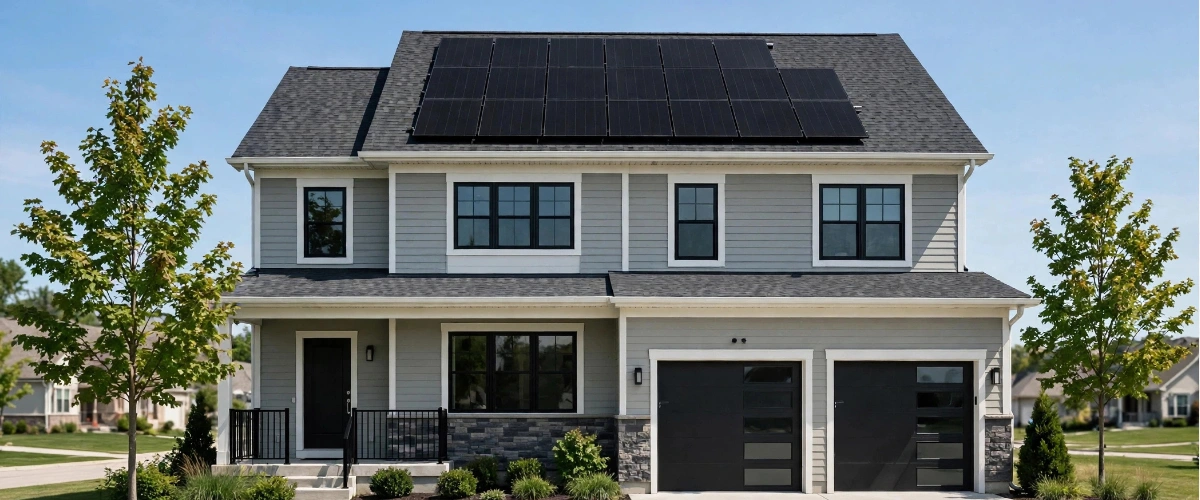
Going solar in Illinois feels like it should be simple. You call a company, you sign, the panels go up, and your bill drops. In reality there is a calendar between that first phone call and the day your system legally switches on, and most homeowners have no idea how long each step should take. That uncertainty is where anxiety and bad decisions creep in. This guide walks you through the real solar quote timeline in Illinois, stage by stage, from your first conversation to Permission to Operate. You will see what happens at each point, who controls the pace, where delays usually hide, and how to keep your project moving so you start saving sooner.
Most Illinois homeowners judge a solar project by two moments: the day they sign and the day the meter spins backward. Everything in between stays invisible, so a normal three month process can feel like a black box.
Signing a contract is the start of the work, not the finish. After you sign, your system still needs engineering, local permits, a utility interconnection review with ComEd or Ameren, a physical install, an inspection, and a final utility signoff called Permission to Operate. Only after that last step are you allowed to send power to the grid and earn credit for it.
Your installer controls some of the clock, and outside parties control the rest. Design and paperwork move at the speed of your provider. Permits move at the speed of your city or county building department. Interconnection and PTO move at the speed of your utility. A good Illinois installer runs these tracks in parallel so you are not waiting on one desk at a time.
The opening stage is quick when you come prepared, and it sets the tone for everything after. Expect a few days to about a week from first call to a written quote.
Your first call is a fit check. A consultant asks about your electric bills, your roof, your goals for backup power, and whether you plan to add an electric vehicle. Many Illinois consultations happen virtually using satellite imagery and your utility usage, though an on site visit is available when your roof is complex. Doing a little homework here pays off, so review these steps to take before your solar consultation.
A firm quote should show panel model and count, system size in kilowatts, estimated annual production, battery options, total price, and financing terms. If any of those are missing, ask before signing. Knowing what every solar quote should include helps you compare offers on equal footing and spot padded pricing. With US Power you also get factory-direct pricing as the exclusive Qcells partner, which typically lands 15 to 20 percent below the market on comparable American-made panels.
Once you sign, the paperwork stage begins. This is usually the longest and least visible part of the Illinois timeline, often two to five weeks depending on your local building department.
Your installer produces engineering plans, a structural review of your roof, and an electrical single line diagram. Those documents go to your city or county building department for a permit. Timelines vary widely across Illinois, since a suburban Cook County office and a small downstate township work at different speeds. A provider that handles full residential solar installation in house submits clean plans the first time, which prevents the rejections that add weeks.
At the same time, your installer files an interconnection application with your utility, ComEd in northern Illinois or Ameren in central and southern Illinois. This review confirms your system can safely connect to the grid and sets up your net metering or smart inverter arrangement. The utility checks your equipment against its technical standards and confirms the meter and service can handle your system. Running the permit and interconnection tracks together, rather than one after the other, is how experienced Illinois installers protect your schedule. When a company files interconnection late, you can lose two or three weeks that no amount of fast installing will win back.
Now the visible part arrives. After permits and interconnection approval land, the pace picks up fast and the finish line comes into view.
A typical Illinois home installation takes one to three days on site. Crews mount the racking, place the Qcells panels, set the inverter, and add a battery if your design includes one. US Power completes most installs within a three to four week window after approvals clear, backed by a 25 year comprehensive warranty on panels, workmanship, and performance.
After install, your local jurisdiction inspects the work, then the utility issues Permission to Operate, the legal green light to energize your system and earn bill credits. If you want the full detail on this step, here is what it takes to get permission to operate (PTO). Inspection to PTO usually runs one to three weeks, though utility backlogs can stretch it.
Illinois has its own incentive engine, the Illinois Shines Adjustable Block Program, which pays you for the renewable energy credits your system generates. Your installer registers your system so those payments flow, and the same records matter later if you ever move, as covered in this guide to selling a home with solar in Illinois.
The difference between a three month project and a six month headache is usually the team behind it. US Power is built to keep every stage moving.
As the exclusive Qcells factory-direct partner, US Power controls pricing and equipment supply, so you are not waiting on a distributor or juggling separate crews. CSLB-licensed consultants and 200 plus five star Google reviews back a single point of accountability from quote to PTO, with transparent pricing and no hidden fees.
Deciding on storage early keeps your design from being reworked mid project. A battery adds backup during Illinois storm outages and lets you use stored power when utility rates peak. Planning it into the first design, alongside your solar financing options, means one permit, one inspection, and one clean interconnection. If you are weighing storage, this overview of solar battery storage in Illinois is a useful starting point.
Put the stages together and you get a clear picture of what to expect, plus a few ways to keep your project on the fast track.
In a best case, an Illinois homeowner goes from first call to PTO in roughly eight to ten weeks. A typical project lands closer to ten to fourteen weeks, with the variation almost always coming from permit offices and utility interconnection queues rather than the install itself.
You can protect your own timeline in simple ways. Respond to document requests the same day, keep a recent electric bill handy, and choose a provider that submits complete plans and files interconnection early. Ask your installer up front who owns each step and how they track it, so you always know what stage you are in. Running your numbers first with a solar savings calculator also helps you commit with confidence instead of stalling on the fence.
The Illinois solar journey is not a single leap, it is a series of predictable stages, and knowing them turns a mysterious wait into a plan you can track. From your first call to Permission to Operate, most homeowners are switching on within eight to fourteen weeks, and the biggest factor is choosing a team that keeps every stage moving at once. With rates climbing across Illinois, the sooner you start the clock, the sooner your savings begin. The best day to begin that countdown is today.



Learn why owning Qcells solar panels through US Power beats confusing leases and PPA.

Three quotes. Same house. $15,000 difference. No explanation why. You should worry.
Compare real costs of leasing vs buying solar panels for California homeowners.









Copyright © 2026 US Power - Axia by QCells. All Rights Reserved.
Get an instant solar estimate using satellite!