

Solar suppliers and local installers rarely handle your quote the same way, from how your system gets designed to who is on your roof and who backs your warranty years later. This guide compares centralized supplier design against an in-house local estimate, explains the licensing and crew questions worth asking either one, and shows how US Power combines factory-direct Qcells backing with a fully in-house, CSLB-licensed team instead of subcontracting your installation to a third party.
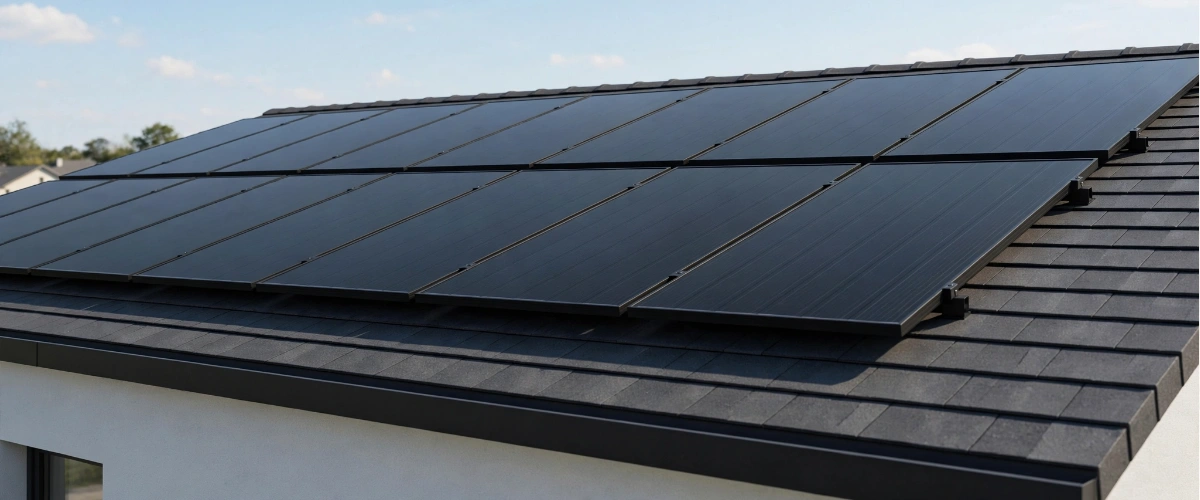
It depends on how you want to buy. A supplier often builds your quote through centralized design before assigning a crew. A local installer usually has its own crew and builds your quote from a site visit.
When you request a solar quote, you are not just comparing prices, you are choosing who answers the phone if something goes wrong five years from now. Some quotes come from a solar supplier, a company connected to a panel manufacturer or a multi-state dealer network that may hand your project off to a subcontracted install crew. Others come from a small, independent local installer who owns just one truck, one crew, and one nearby office. Both models can put working panels on your roof, but they handle your design process, your installation, and your long-term support in very different ways. This guide breaks down what actually changes when a supplier instead of a local installer handles your quote, the questions worth asking either one before you sign, and why the two models are not always opposites at all.
Ask three different companies for a quote and you may get three different answers to a question you never actually asked, which is who will be on your roof. That gap starts with how each business is built, not with how good the salesperson sounds.
A solar supplier is typically tied to a specific panel manufacturer or a multi-state dealer network, and it often builds your quote through centralized design software before assigning the physical installation to a local crew that may or may not be a direct employee. That structure can bring manufacturer-backed pricing and equipment availability that a single small shop cannot always match on its own.
A local installer is usually one company that owns its own trucks, employs its own crew, and builds your quote from an in-person site visit rather than a centralized system. That can mean a more personal process from the first phone call through the final inspection, but it also ties your equipment options and long-term support to one smaller business instead of a larger backing network.
The difference between a supplier and a local installer shows up before your panels ever reach the roof, starting with how your system gets designed and priced in the first place.
A supplier's centralized design tools can pull roof measurements, shading data, and production estimates from satellite imagery in minutes, which speeds up your first quote but sometimes misses site-specific details an in-person visit would catch, like an unusual roof angle or a shaded corner. A local installer's in-person estimate takes longer to schedule but often catches those same details firsthand, since the person building your quote has actually stood on your roof. This is also where factory-direct pricing tends to differ from a standard supplier markup, since a manufacturer-backed quote can skip a layer of dealer margin that a smaller local shop has to build into its own number.
Ask a supplier whether the crew installing your system is a direct employee or a subcontractor brought on for your specific project, since that answer affects who you call if the installation itself runs into a problem. A local installer's crew is typically in-house, which can add consistency from the site visit through the final inspection, but only if that installer has enough crews to keep up with demand in your area. Some suppliers, including those working through an Axia by Qcells dealer network, pair factory-level backing with a locally accountable install team rather than a rotating subcontractor pool, which narrows this gap.
There is no universally right choice between a supplier and a local installer, but a short list of questions will tell you which one fits your home and how much risk you are comfortable taking on.
Ask whether your warranty is backed by the panel manufacturer directly or by the installing company alone, since a manufacturer-backed policy, like the coverage detailed in Qcells' warranty guide, stays in place even if your original installer closes or changes ownership years down the line. A local installer's in-house warranty can be just as strong on day one, but it depends entirely on that single company still being in business when you actually need to file a claim.
Confirm that whoever is licensed to pull your permit is the same company standing behind your installation, not a separate entity brought in only for paperwork. That single question also explains a lot of why solar quotes vary so much between companies, since licensing structure, crew ownership, and warranty backing all factor into the number on your proposal, not just the panels themselves.
US Power sits in an unusual spot in this comparison, since it operates as both a factory-backed supplier and a local, in-house installer at the same time instead of choosing one model over the other.
As the number one rated Axia by Qcells dealer in California, US Power quotes factory-direct pricing that runs 15 to 20 percent below typical market rates, backed by American-made Qcells panels and a 25-year warranty covering panels, workmanship, and performance. Every consultant who builds your quote is CSLB-licensed, and the crew installing your system is not handed off to a rotating subcontractor pool, which is why many homeowners choose US Power over other solar companies once they compare the two models side by side.
Choosing between a supplier and a local installer is only one part of evaluating a solar quote, and it connects directly to two other decisions you will likely face before you sign.
Whether you go with a supplier or a local installer, the itemized breakdown on your quote and how much room there is to negotiate depend more on that specific company's pricing model than on which category it falls into. A supplier with factory backing and a local installer with low overhead can both offer a fair price, just as either one can pad a quote with hidden markup, so the supplier-versus-installer decision should not replace reading your quote line by line before you sign.
The honest answer is that neither a solar supplier nor a local installer is automatically the better choice, since what actually matters is whether the company handling your quote also owns your installation and your warranty long after the crew leaves. A supplier backed by a real manufacturer relationship and a local installer with its own in-house crew can both deliver a system that performs for decades, and a company that combines both, like US Power, removes the guesswork about who you are actually calling if something changes down the line. Before you sign with anyone, confirm exactly who designs your system, who installs it, and who answers when your warranty needs to be used.


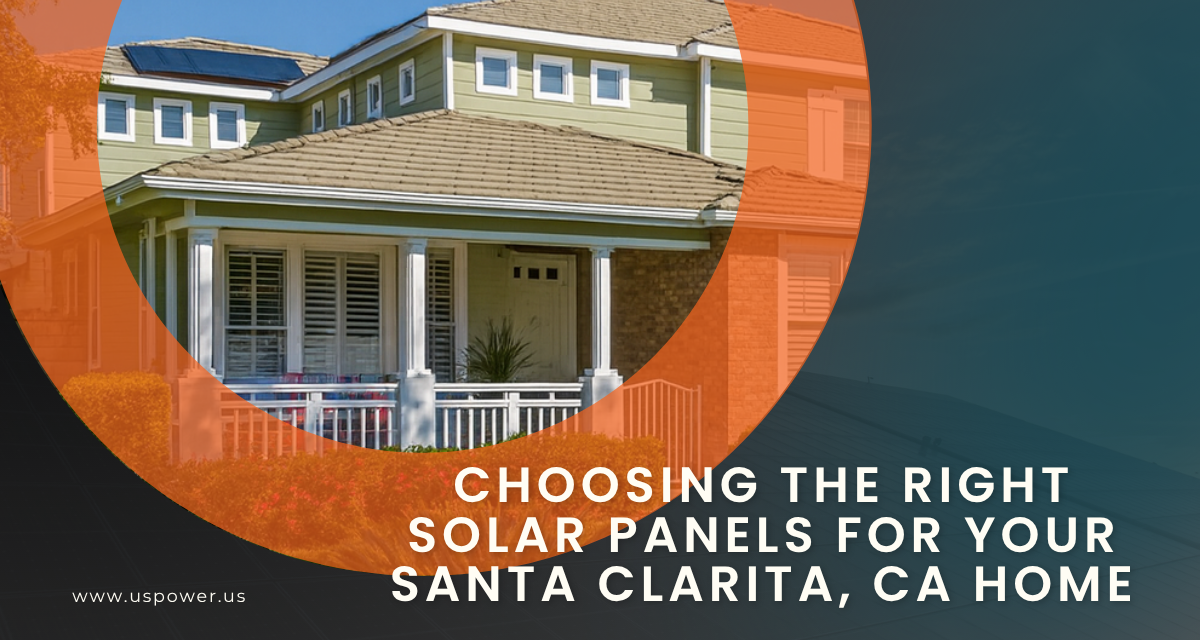
Go solar now & lock in 2025 rebates with QCells panels in your Santa Clarita home.

Cut bills and stay powered with Qcells solar + battery system through US Power.
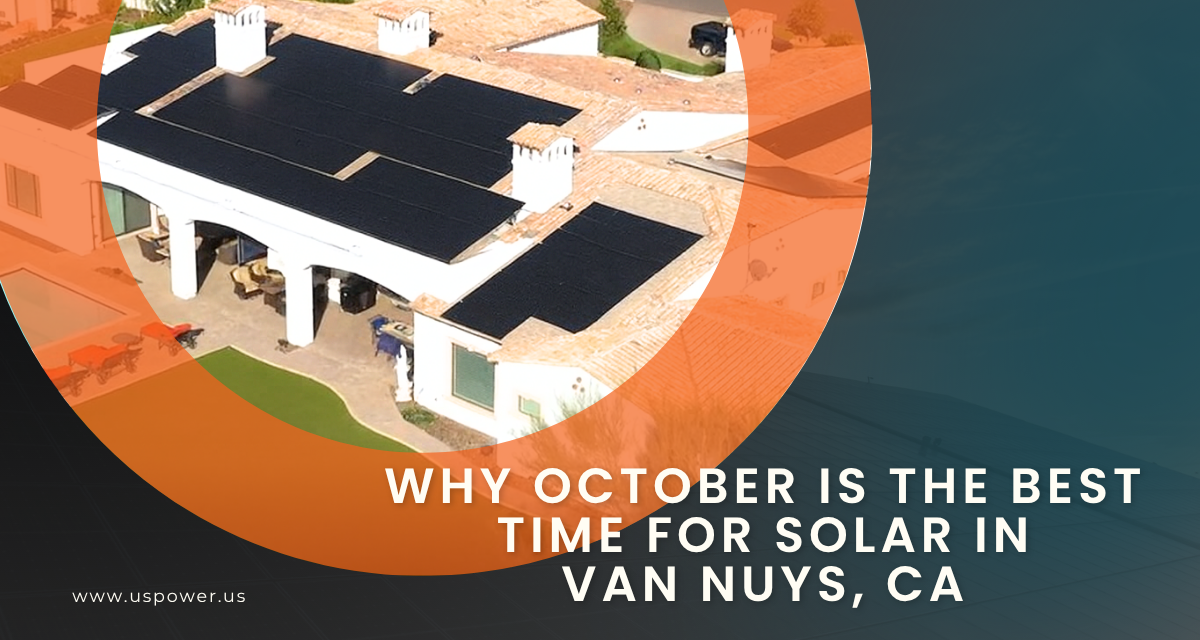
Van Nuys homeowners slash bills and boost value—solar delivers the best ROI in 2025.








Copyright © 2026 US Power - Axia by QCells. All Rights Reserved.
Get an instant solar estimate using satellite!