
Los propietarios de viviendas de California se enfrentan a tarifas eléctricas sin precedentes y a un programa solar del gobierno sumido en el caos. Esto es lo que realmente funciona en 2026 y cómo proteger a su hogar del aumento de los costos de los servicios públicos.

Si su factura de electricidad del sur de California ha estado aumentando durante años, no se está imaginando cosas. Entre los aumentos de tarifas de SCE, la reestructuración de PG&E y uno de los programas solares gubernamentales más complicados del país a punto de paralizarse, los propietarios de viviendas de California se ven obligados a pagar más y a esperar más tiempo para recibir una ayuda que parece no llegar nunca.
La buena noticia es que un sistema solar y de baterías instalado de forma privada sigue ofreciendo uno de los caminos más sólidos hacia la independencia energética en 2026, incluso sin el crédito fiscal federal. La clave es entender cómo funciona el sistema en la actualidad y elegir una empresa que entregue sin demoras burocráticas.
Las tasas de SCE aumentaron más del 80% en la última década y los aumentos no han sido graduales. Los proyectos de ley de la SCE de octubre de 2025 introdujeron un ajuste de tarifas de aproximadamente un 13%, debido a la recuperación por parte de la Comisión de Servicios Públicos de California de los costos derivados del incendio de Thomas de 2017 y los deslizamientos de tierra posteriores. El problema es que cada nueva subida de tipos ahora se suma a los precios ya elevados, lo que hace que cada punto porcentual parezca más elevado que antes.
PG&E reestructuró su facturación en marzo de 2026 y agregó un nuevo cargo por servicios básicos fijos de alrededor de 24 dólares al mes, independientemente de la cantidad de electricidad que utilice. Para muchos propietarios, ese cargo fijo parece una multa inevitable solo por estar conectados a la red.
Para los propietarios de viviendas en las zonas más cálidas del interior, como Lancaster, Palmdale y el valle de San Gabriel, las facturas de verano pueden alcanzar entre 300 y 500 dólares al mes. El aire acondicionado funciona constantemente a temperaturas de tres dígitos, y las tarifas por tiempo de uso de SCE significan que las horas más caras del día coinciden con las más calurosas. Comprensión Tasas de tiempo de uso de SCE y ahorros en horas punta es el primer paso para saber a dónde va su dinero y cómo la energía solar cambia esos cálculos.
El programa de equipos solares para familias de bajos ingresos (SELF) de California lanzó su última versión en el verano de 2024 con un objetivo claro: llevar el almacenamiento de energía solar y baterías a hogares de bajos ingresos en áreas de alto riesgo de incendio y altas temperaturas. El programa ofrecía una instalación gratuita para los residentes que reunían los requisitos, y las empresas asumían los costos iniciales y esperaban el reembolso en el plazo de un año.
Esa línea temporal se derrumbó. En febrero de 2025, el estado suspendió abruptamente el programa debido a la preocupación por la incoherencia de los precios de los equipos en todas las aplicaciones. Los desarrolladores que ya habían comprado paneles, baterías y equipos de instalación se encontraron con el inventario almacenado en almacenes sin tener claro el camino a seguir. Los sistemas que se habían instalado aún no estaban conectados a la red. Los clientes a los que se les había prometido ahorrar en sus facturas seguían esperando meses después.
El sistema de lotería del programa creó un campo de juego desigual antes de que se instalara un solo panel. Cuando el LADWP abrió su asignación de 32 millones de dólares, las grandes empresas nacionales de energía solar inundaron el sistema de solicitudes y se llevaron hasta el 97% de las solicitudes de financiación disponibles. Los pequeños desarrolladores locales que se especializan en prestar servicios a comunidades de bajos ingresos se vieron prácticamente bloqueados, lo que dejó a esas comunidades con menos opciones y menos competencia entre los instaladores.
Las barandillas seguían moviéndose. A las empresas que habían cumplido con todos los requisitos de documentación de Southern California Edison se les dijo que las reglas habían cambiado una vez que se inició la pausa a nivel estatal. Para los propietarios de viviendas que confiaban en ese programa, fue una lección dolorosa: los plazos del gobierno y las realidades del sector privado rara vez coinciden.
Antes de abril de 2023, un propietario de una vivienda de California que instalara paneles solares podría devolver el exceso de energía diurna a la red y recibir a cambio créditos cercanos a los de las tiendas. Con NEM 2.0, esos créditos tenían un valor aproximado de 0,30 USD por kilovatio-hora. En la actualidad, con el NEM 3.0, esa misma energía exportada genera entre 0,05 y 0,08 dólares por kilovatio-hora, lo que representa una reducción de alrededor del 75%.
Ese único cambio transformó el almacenamiento de la batería de una característica agradable a una parte esencial de cualquier instalación solar nueva. Sin una batería, tus paneles generan energía durante el día mientras estás en el trabajo, exportas la mayor parte de la energía a precios de ganga y, por la noche, cuando SCE es la que más carga, compras electricidad cara con tarifa máxima. Con una batería, almacenas lo que producen tus paneles y lo utilizas durante esas costosas horas.
Un sistema solar y de baterías diseñado correctamente puede eliminar entre el 85 y el 100% de su factura de SCE o PG&E con NEM 3.0. La clave está en el autoconsumo: usar la energía solar almacenada durante el período pico de 16:00 a 21:00 horas, en lugar de comprar en la red. Los propietarios de viviendas de áreas como Irvine, Burbank y el Valle de San Fernando que han hecho este cambio informan que han reducido sus facturas mensuales de servicios públicos entre un 40 y un 70%.
El período de amortización de un sistema solo solar con NEM 3.0 se extiende de nueve a trece años sin batería. Combina ese sistema con soluciones de almacenamiento de baterías solares y el período de amortización se reduce a siete u ocho años, seguidos de dieciséis o más años de energía esencialmente gratuita.
¿Tiene curiosidad por saber el desglose total de los costos y lo que debe esperar gastar? ¿El desglose de costos y ahorros de baterías solares cubre las cifras en detalle, incluidos los factores que afectan a su cronograma de amortización específico.
El programa SELF financiado por la CPUC fue diseñado específicamente para zonas de alto riesgo de incendios porque esas comunidades saben exactamente lo que significa quedarse sin electricidad. Los eventos de PSPS (cortes de energía por motivos de seguridad pública) pueden cortar la electricidad durante días durante la temporada de incendios forestales. Un sistema solar sin baterías se apaga en el momento en que la red deja de funcionar, porque está diseñado para proteger a los trabajadores de los servicios públicos contra la retroalimentación. Un sistema alimentado por baterías mantiene las luces, el refrigerador y los dispositivos esenciales en funcionamiento independientemente de lo que suceda en la red.
Para las familias del condado de Ventura, Inland Empire o en cualquier lugar a lo largo de la interfaz de incendios forestales, que saben cuánto tiempo una batería solar alimenta su hogar durante un apagón no es una cuestión teórica. Una batería estándar de 10 kWh puede alimentar los electrodomésticos esenciales durante unas 24 horas. Un par de baterías de 13,5 kWh pueden mantener en funcionamiento un hogar normal durante dos o más días, especialmente si los paneles solares recargan el sistema durante el día.
El programa SELF se dirigió específicamente a comunidades en áreas como Lancaster y Palmdale porque las facturas de electricidad de verano en esas zonas pueden ser agotadoras. La misma lógica se aplica a cualquier propietario de una vivienda en una zona calurosa del interior: su aire acondicionado funciona exactamente cuando la electricidad de la red es más cara. El almacenamiento en baterías te permite preenfriar tu casa durante las horas más económicas del mediodía y aprovechar la energía solar almacenada durante las horas punta de la tarde. Ahí es donde se producen las mayores reducciones en las facturas.
Las dificultades del programa SELF ilustran lo que ocurre cuando los plazos de instalación se entregan a los administradores del gobierno con procesos de aprobación cambiantes. US Power opera completamente al margen de ese sistema. Una vez que se apruebe su solicitud, la instalación se realizará en un plazo de tres a cuatro semanas. No hay loterías de financiación, no hay equipos destinados a almacenes y no hay clientes que esperen meses por un sistema que está a tres metros de distancia de su casa pero que no se puede encender.
Como socio exclusivo directo de fábrica de QCells, US Power compra los paneles directamente al fabricante, lo que elimina los intermediarios y ofrece precios entre un 15 y un 20% más bajos que los del mercado. Todos los consultores cuentan con la licencia CSLB, lo que significa que trabajas con profesionales que cumplen con los más altos estándares de California en materia de supervisión de contratistas.
Para los propietarios de viviendas en el área de Los Ángeles, instalación de paneles solares en Los Ángeles es uno de los servicios más comunes que brinda US Power, con cientos de proyectos terminados en comunidades desde Van Nuys hasta West Hills y Pasadena.
Una garantía integral de 25 años cubre los paneles, la mano de obra y el rendimiento. Esto significa que si su sistema tiene un rendimiento inferior, algo falla o surgen problemas de instalación en el futuro, US Power respalda el trabajo. Con más de 200 reseñas de cinco estrellas en Google y un historial de precios transparentes, la reputación de la empresa depende de que siempre lo haga bien.
Instalación solar residencial en California with US Power también incluye soporte total durante el proceso de interconexión, que es el paso final que permite que su sistema se conecte a la red y comience a generar créditos. Ese paso puede llevar semanas si se maneja mal. US Power lo gestiona como parte del cronograma estándar.
El crédito fiscal federal para energía solar residencial venció para propietarios individuales después del 31 de diciembre de 2025. Sin embargo, los reembolsos estatales y locales siguen disponibles para muchos hogares de California y pueden compensar significativamente el costo de un sistema de baterías.
El SGIP (Programa de incentivos para la autogeneración) de California continúa ofreciendo reembolsos para instalaciones de baterías que reúnan los requisitos, con montos más altos disponibles para viviendas en las categorías de capital o resiliencia. La elegibilidad depende de su territorio de servicio público, de su nivel de ingresos y de si se encuentra en un área designada de alto riesgo de incendios o en una zona con frecuencia de PSPS.
Si se encuentra en el área de Burbank, Programa de reembolso de baterías solares de Burbank through Burbank Water and Power ofrece hasta 3.700 dólares de devolución en sistemas de baterías que cumplan con los requisitos. Este es un programa financiado por las empresas de servicios públicos locales, completamente independiente del estatal y no durará indefinidamente.
El sumador NEM 3.0 ACC Plus, una bonificación de exportación complementaria que facilita la transición desde NEM 2.0, disminuye un 20% cada año hasta 2028. Los propietarios de viviendas que lo instalan antes se quedan con una suma más alta durante toda la vida útil de su sistema. Cada mes de retraso significa un valor de exportación ligeramente inferior durante la próxima década.
Históricamente, las tarifas de electricidad en California han aumentado entre un 6 y un 8% al año. Cada año que esperas es un año en el que pagas esas tarifas más altas antes de que tu sistema comience a compensarlas.
Los desafíos de la red eléctrica de California no van a desaparecer. Los costos de los incendios forestales, las mejoras de la infraestructura y el aumento de la demanda seguirán ejerciendo presión al alza sobre las tarifas de los servicios públicos en el futuro previsible. Cada dólar que pague a SCE o PG&E este año desaparecerá de forma permanente. Un sistema solar y de baterías convierte ese gasto recurrente en una inversión fija que se amortiza sola y, luego, continúa generando beneficios durante décadas.
El programa SELF del gobierno mostró lo que sucede cuando el acceso a la energía solar se ve envuelto en la burocracia, los sistemas de lotería y los cambios en las reglas de aprobación. US Power ofrece la experiencia opuesta: precios directos de fábrica, plazos claros y una empresa que respalda cada instalación durante 25 años.


El techo de tu casa reduce tu ahorro solar; los paneles de CA pueden solucionarlo.

Descubre cómo los paneles solares ofrecen un retorno rápido en hogares de California.
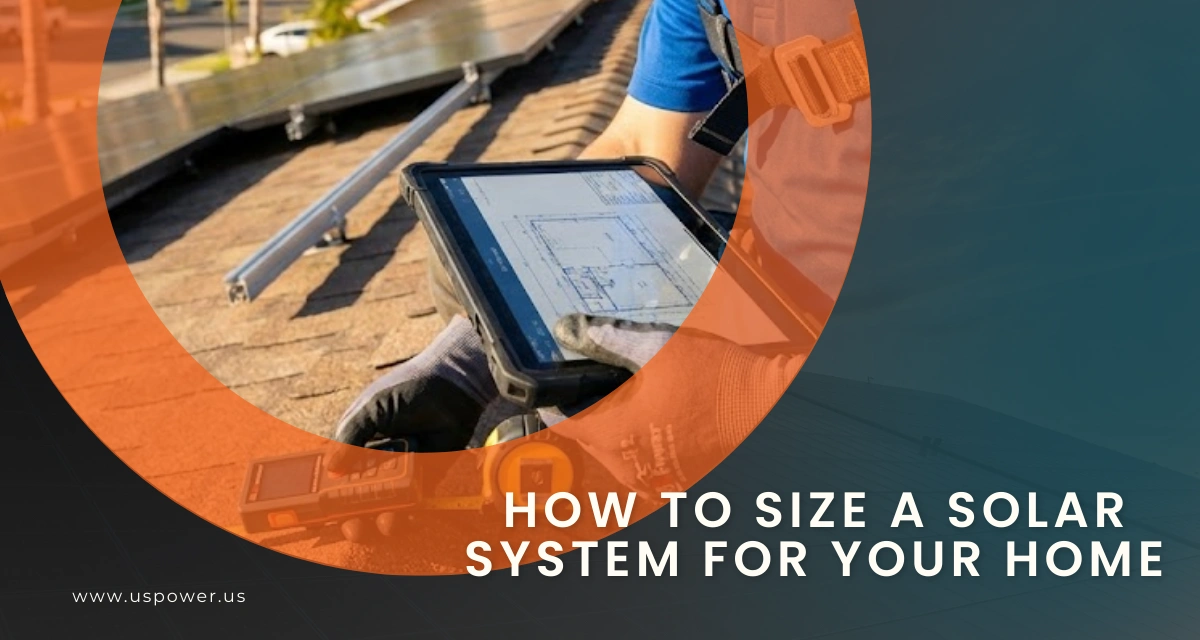
US Power ofrece evaluaciones solares gratuitas adaptadas al sur de California.






¿Listo para tomar el control de tu energía? ¡Llámanos hoy!
818-650-8010Licencia de contratista n.º: 1144368
Copyright © 2026 US Power - Axia by QCells. Todos los derechos reservados.
¡Obtenga un presupuesto solar al instante mediante satélite!