

Inherited solar sounds great — until it isn't. Here's what SoCal buyers must know.

Paid-off solar can add value, but it depends on the system's age, condition, brand, and whether it includes battery storage. Under NEM 3.0, systems without batteries add less value. Get an independent inspection first.
The listing sounds perfect: a home in the San Fernando Valley or Orange County with solar panels already paid off. No loan, no lease — just free energy sitting on the roof.
But before you get too excited, there are real questions you need answered. Solar systems installed by companies that are now bankrupt, warranties that may not transfer, and outdated equipment without battery storage can turn a "bonus" into a headache. If you're buying a house with solar panels in Southern California, this guide covers exactly what to verify — and when starting fresh makes more sense.
Sunnova, Infinity Energy, and similar companies operated as solar installers across California. Both have since filed for bankruptcy. If a home you're considering was installed by one of these companies, you need to understand what that means for you as the new owner.
The installation warranty — which covers labor, roof penetrations, and workmanship — is typically issued by the installer, not the panel manufacturer. When an installer goes bankrupt, that warranty is effectively gone. You inherit the hardware, but not the protection.
This matters because if a panel mount starts leaking into your roof in Thousand Oaks or a connection fails in Riverside, you're paying out of pocket for labor — even if the equipment itself is under a manufacturer's warranty.
One of the most common warnings from Southern California homebuyers who've been through this: verify the payoff status yourself, not just from the seller's word.
Some systems installed through companies like Sunnova were structured as Power Purchase Agreements (PPAs) — not outright purchases. In a PPA, you don't own the panels at all. You're buying power from a third party who owns the equipment on your roof.
This is one of the predatory solar contract structures that have burned SoCal homeowners for years. Before closing, request the original purchase documentation or UCC lien search to confirm there's no outstanding solar loan or PPA attached to the property.
Here's the minimum documentation you need before proceeding with a home that has an existing solar system:
If the seller can't produce these documents, that's a serious red flag. Proceed with caution.
Here's where it gets nuanced. Most panel and inverter warranties are tied to the equipment, not the owner — meaning they should transfer to you as the new homeowner. But "should" and "will" aren't the same thing.
Enphase, for example, has a formal ownership transfer process. If the current owner hasn't completed that transfer, you may face delays or disputes when making a warranty claim. The same applies to panel manufacturers.
Check out our full breakdown of solar panel warranties for Southern California homes to understand exactly what should come with a system — and what to demand from any seller.
The installer labor warranty, as mentioned, is typically gone if the company is bankrupt. Budget for the fact that any future service calls will require you to find and pay a local installer.
A system rated for 17 kWh annual production that's only delivering 14.6 kWh is operating at roughly 86% of its rated capacity. That's within a normal range — panel efficiency does decline slightly over time. But it's worth digging in before closing.
Ask for at least 12 months of monitoring data. Look for:
A system with 20 panels that shows several underperforming panels could cost you $1,000–$3,000 in microinverter replacements, plus labor.
Under California's current NEM 3.0 billing structure, solar-only systems earn significantly less for energy exported back to the grid during the day. The old NEM 2.0 rates paid close to retail value. NEM 3.0 pays a fraction of that.
This means a home with solar panels but no battery is leaving money on the table — especially in Los Angeles and Orange County, where peak SCE rates can exceed $0.50/kWh. Without a battery to store daytime generation and use it at night (when rates are highest), you're still paying retail prices during evening hours.
If you're considering a home with a legacy solar-only system, understand that the economics are different from what the seller experienced. Their bill of $31/month may have been under NEM 2.0. Your bill could be significantly higher.
Learn more about whether batteries are worth it for solar in California — the short answer under NEM 3.0 is almost always yes.
If you decide to move forward with the purchase, transferring solar ownership is a specific process that must be completed at closing or shortly after. This includes:
Updating the Enphase (or other monitoring platform) account to your name, notifying your utility of the new owner for the interconnection agreement, and confirming any remaining manufacturer warranties have been re-registered in your name.
Skipping these steps can void coverage you're technically entitled to — and leave you without monitoring access if something goes wrong.
Sometimes the better move is buying the home and replacing the existing system entirely — or buying a different home and going solar the right way from day one.
Here's what that looks like with US Power:
You get American-made QCells panels — the same brand installed in hundreds of homes across Los Angeles, Orange County, Ventura, San Bernardino, and Riverside Counties. US Power is an exclusive QCells partner with factory-direct pricing, which means you pay 15–20% less than you would through most installers.
Every system comes with a 25-year comprehensive warranty covering panels, workmanship, and performance. That's not three separate documents from three companies that may go bankrupt — it's one warranty, backed by a company with 180+ five-star Google reviews and a 3–4 week installation timeline from approval to permission to operate.
For more on what separates reliable installers from the rest, read our guide on how to choose a solar company in Los Angeles and the 5 Red Flags to Watch for When Evaluating Any Solar Company.
When you install a new system through US Power, you know exactly what you're getting: system size, expected production, warranty coverage, and a price with no hidden fees.
With inherited solar, you're guessing. The seller may not know the panel brand, the original system cost, what's under warranty, or whether the roof penetrations were done correctly. Our solar panel cost analysis shows that a properly sized new system often pays for itself faster than a decade-old inherited system that's already lost efficiency and lacks battery storage.
A home with paid-off solar can absolutely be a smart buy — but only if you've done the homework. Verify ownership, confirm there's no PPA or lien, understand what warranties transfer, and evaluate performance data before signing anything.
If the documentation isn't there, or the system is aging and battery-free in a NEM 3.0 world, don't assume it's an automatic win. Southern California homeowners who start fresh with a trusted, licensed installer — and a system designed for today's utility landscape — often come out ahead.
US Power offers free consultations, virtual or on-site, across Los Angeles, Orange County, Ventura, San Bernardino, and Riverside Counties. There's no pressure and no hidden fees — just clear answers about what solar can actually do for your home.


See how many Qcells solar panels you need for home and charge your EV energy.

Hybrid solar + battery often beats the full off-grid for cost and flexibility.
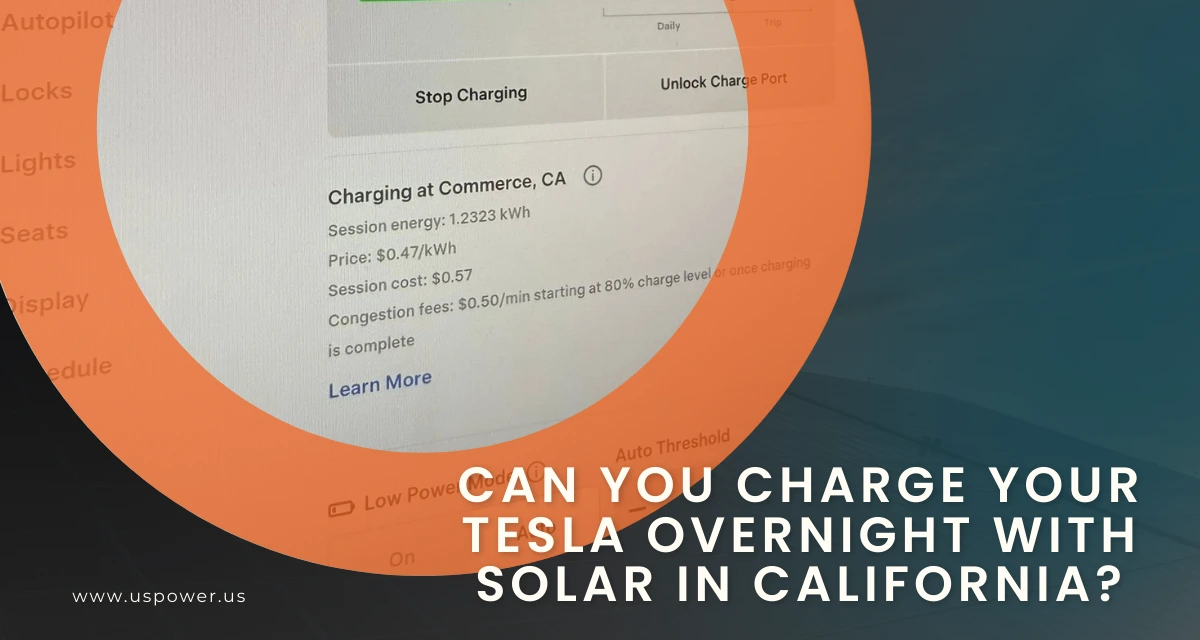
Tesla charging, Supercharging, and solar energy savings made easy for homeowners.







Copyright © 2026 US Power - Axia by QCells. All Rights Reserved.
Get an instant solar estimate using satellite!