
Can you negotiate a solar quote? Yes, but only the soft costs. Sales commissions, dealer fees, and padded add-ons often bend, while panels, labor, and permits barely move. This guide shows what is actually negotiable, how to use competing itemized quotes as leverage, and why a factory-direct quote from US Power removes the markup before you ever haggle, landing 15 to 20 percent below the retail channel on the same Qcells panels.

You just got a solar quote, and the total feels a little soft, like there might be room to push back. So can you negotiate a solar quote, or is the price fixed once it lands in your inbox? The honest answer is yes, parts of a solar quote are negotiable, but not in the way you might negotiate a used car. Some numbers on that page are padding you can trim, while others are real costs no installer can wave away. Knowing the difference is what actually saves you money. This guide breaks down what you can negotiate, how to do it without getting played, and why a factory-direct quote from US Power leaves almost nothing to haggle over in the first place.
Most homeowners assume solar pricing is set in stone, so they sign the first quote or walk away entirely. The truth sits in the middle, and understanding it changes how much you pay.
A solar quote blends fixed costs like panels, labor, and permits with flexible costs like commissions and dealer fees. The fixed parts barely move, but the flexible parts often have real give. When you know which line is which, you can push on the soft numbers instead of wasting energy on the hard ones.
Two quotes for the same roof can differ by thousands of dollars, and that spread is your signal. When prices vary that much for identical equipment, the gap is markup, not hardware. Our look at why solar quotes vary so much explains where that padding comes from and why some of it is negotiable.
Before you try to negotiate, you need to know which pieces of the quote actually bend. Pushing on the wrong line just frustrates everyone and gets you nowhere.
The most negotiable numbers are the ones tied to selling you the system, not building it. Large national sellers bake in sales commissions and dealer fees that can add many thousands of dollars, and those are exactly the costs that can shrink. Our breakdown of why large solar providers charge unexpected fees shows how much of a typical quote is commission rather than cost.
Beyond commissions, watch for padded add-ons like inflated monitoring packages or vague miscellaneous charges. Financing dealer fees are especially negotiable, since a low advertised rate often hides a large fee folded into the system price. The hidden costs that quietly eat into your solar savings are frequently the same lines you can question or remove.
Negotiating solar is less about aggressive haggling and more about leverage and information. The homeowner with three itemized quotes always has the upper hand over the one holding a single number.
Competing bids are your strongest tool, because a company that knows you are comparing has less room to pad. Ask each installer to itemize equipment, labor, permitting, and fees so you can line the numbers up cleanly. Our guide on how to compare solar quotes in California walks you through reading each bid so the negotiable gaps become obvious.
You cannot negotiate what you cannot see, so demand a fully detailed quote before you talk price. A complete quote lists system size, panel brand and wattage, inverter type, warranty terms, and a clear total. The essential elements every solar quote should include give you a checklist to hold each bid against before you start pushing back.
Here is the part most homeowners miss. The best way to win a negotiation is to buy from a company that never inflated the price to begin with.
When a quote is loaded with commissions and dealer fees, negotiating just claws back money that never should have been there. A factory-direct company sources panels straight from the manufacturer, so there is no distributor markup and no dealer fee to negotiate away. That is the heart of going factory-direct with Qcells, where the low price comes from cutting out resellers, not from a haggling contest.
US Power is an exclusive Qcells partner with CSLB-licensed consultants who design, supply, and install every system in house. You get American-made panels, a 25-year comprehensive warranty on panels, workmanship, and performance, and factory-direct pricing 15 to 20 percent below market. With more than 200 five-star Google reviews, our number starts fair, so there is little left to negotiate.
Price is only half of what sits on the table. The terms buried in the contract can matter just as much as the bottom-line number, and they are often the more important thing to negotiate.
Escalating payment clauses, vague warranty language, and automatic add-ons can cost you far more than a slightly higher sticker price. Slow down and read the full agreement, since what every homeowner should know before signing covers the fine print that salespeople rush you past. A term you negotiate today can save you a headache for years.
Be careful when a salesperson slashes the price the moment you hesitate, because a number that drops that fast was inflated to start. A quote built on real costs has little room to collapse, while one that caves under mild pressure was padding all along. Our guide on avoiding overpriced solar quotes explains why a suspiciously flexible price is a warning sign, not a win.
Can you negotiate a solar quote? Absolutely. Homeowners often negotiate down commissions, dealer fees, and unnecessary add-ons when comparing multiple bids. But instead of haggling for a discount, starting with a transparent baseline is key. Working with a factory-direct solar installer strips away hidden markups upfront so you receive a fair, transparent price from the start. To safeguard that return on investment, don't forget post-installation care—routinely scheduling routine solar maintenance and cleaning keeps dust and debris from quietly cutting into your energy savings. With utility rates constantly rising, a clear, itemized bid paired with an efficient solar system beats haggling every single time.


You're being charged double what solar actually costs. Work with legit solar company.

Discover why owning home solar panels saves more money than leasing over time.
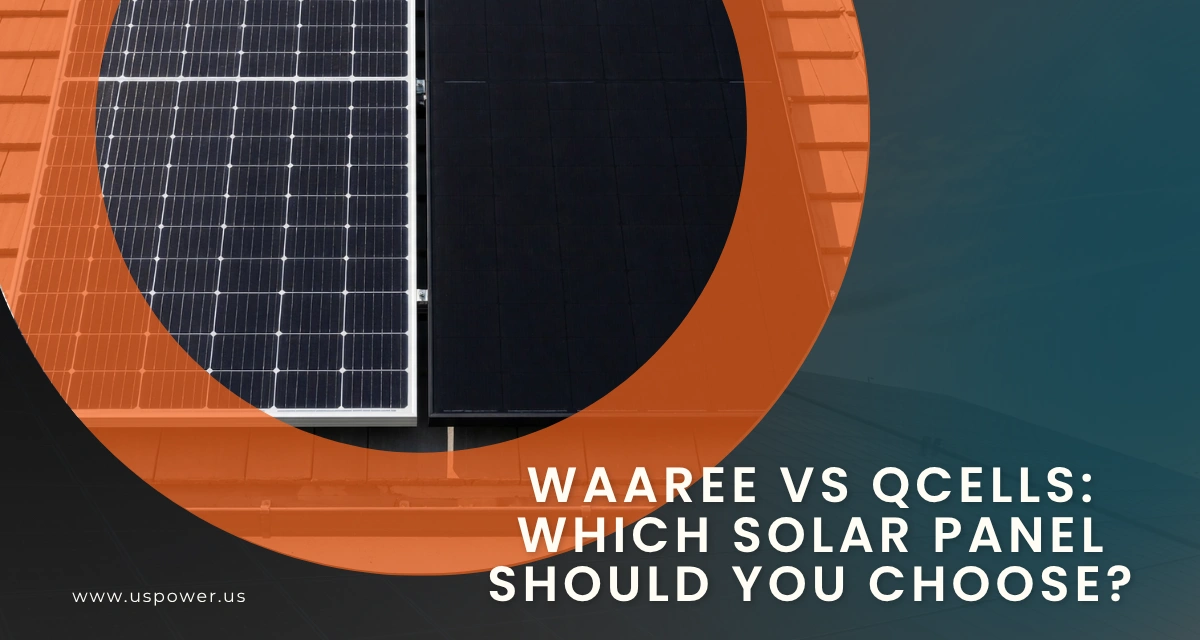
Waaree or Qcells? Compare warranty, US manufacturing, and value before you buy.







Copyright © 2026 US Power - Axia by QCells. All Rights Reserved.
Get an instant solar estimate using satellite!