

An Enphase battery in California now comes built into the Propel prepaid lease, with a five-year performance guarantee and ownership designed to transfer after year five. US Power partnered with Enphase and Greentech Renewables because net billing pays roughly 75% less for exported solar. Here is what that means.
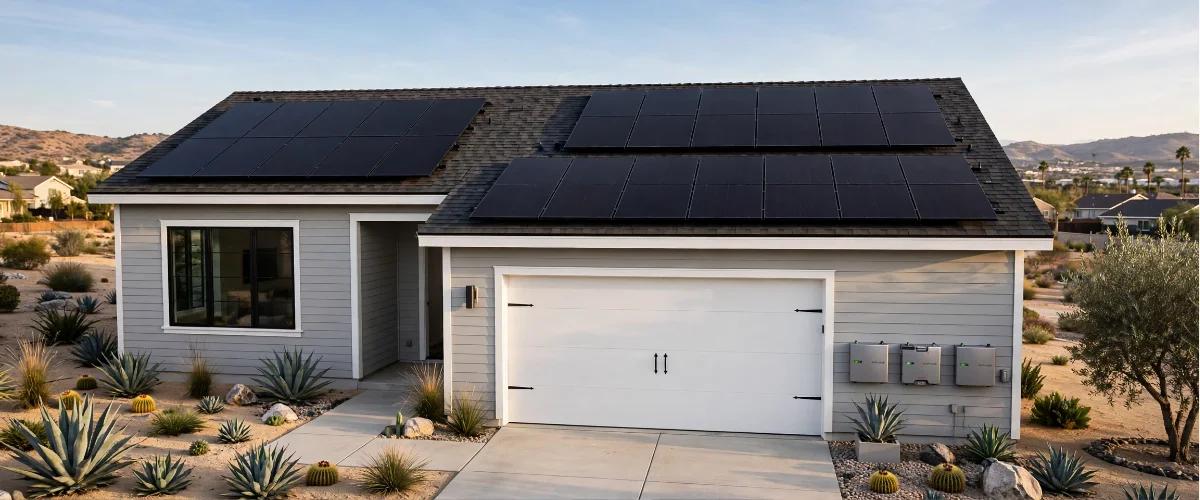
An Enphase battery in California comes built into the Propel prepaid lease from US Power. You get backup power in a backup configuration, a five-year performance guarantee, and ownership designed to transfer after year five.
If you are shopping for an Enphase battery in California, there is a new way to buy one. US Power has partnered with Enphase and Greentech Renewables to offer the Propel prepaid lease, a solar and battery program where the battery is part of the system from day one.
The timing matters. California now pays very little for solar you send back to the grid, so panels without storage often fall short of what the proposal promised. This post covers what the partnership means, how an Enphase battery in California changes your savings, and what to check before you sign.
The announcement is simple: homeowners who work with US Power can now compare Propel against loan, cash, and EnFin options, with an Enphase battery in California homes built into the Propel design rather than sold as an add-on.
Four companies each have a defined role:
Propel is a prepaid lease. You pay for the agreement upfront instead of sending a lease payment every month, SolSource owns the system at first, and ownership is designed to transfer to you after year five. The program includes a performance guarantee and maintenance coverage during the initial five-year period. For the full mechanics, including how the upfront amount can be funded, read our Propel prepaid lease explainer. Availability, savings, and ownership terms depend on project eligibility and the applicable agreement, so review the complete terms with your consultant before you proceed.
California's Net Billing Tariff, often called NEM 3.0, took effect on April 15, 2023. It credits exported solar at avoided-cost rates that most analysts put roughly 75% below the old retail-style credits. The rules are settled: the Court of Appeal upheld the tariff in March 2026, and the California Supreme Court declined to review it in June 2026.
That makes self-consumption the whole game. Every kilowatt-hour you use yourself is worth your retail rate, and every one you export is worth a fraction of it. Propel installers report that the program's discounts are largest on systems that include a battery. Our guide to how solar billing works in California covers the rules in more detail.
Here is an illustrative example. These are sample figures, not a quote, and your utility and rate plan will differ.
Exported, that energy earns 5 x $0.05 = $0.25. Stored and used at night, it avoids 5 x $0.45 = $2.25 of grid power. The gap is $2.00 per day, or about $730 per year, before small battery losses. A larger home that stacks more capacity widens the gap.
California time-of-use plans from SCE, PG&E, and SDG&E price electricity highest in the late afternoon and evening, typically 4 to 9 PM. Your panels peak around noon, when you are often not home. A battery moves that midday production into the expensive evening window, which is why a solar-only system often exports most of what it makes.
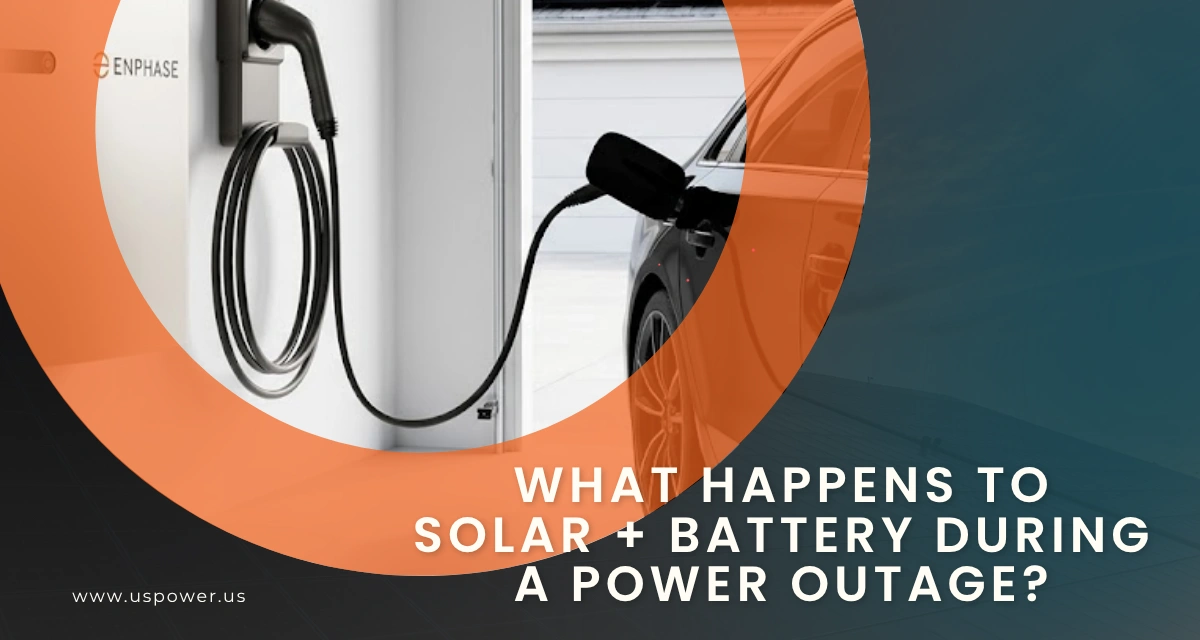
When installed in a backup configuration, the Enphase battery can keep essential loads running during an outage. Backup capability depends on system configuration, so ask which circuits your design covers. Many homeowners start with essential-loads backup and add battery units as their budget allows. If outages worry you, a backup-focused Enphase battery in California design should also account for utilities shutting off power during high fire-risk weather.
For reference, Enphase's current IQ Battery 5P offers 5.0 kWh of usable capacity and 3.84 kVA of continuous power, and it needs an IQ System Controller to provide backup. Your proposal will name the exact model and count. If you want to know whether storage pays off for your home, see our answer to are batteries worth it for solar in California.
Enphase microinverters and batteries are designed to work together. You monitor and control the whole system through the Enphase App, including when the battery charges and discharges. One platform means one app and one support path.
During the initial five-year period, the program includes a performance guarantee and maintenance coverage. After year five, the system is designed to become yours. Compare that with a traditional lease, where you rent the system for decades and never reach ownership.
Propel requires Enphase microinverters and batteries together with approved solar panel brands, including Qcells. That matters for US Power customers, because the company is a factory-direct Qcells brokerage and can pair an Enphase battery in California homes with American-made panels.
You can see how factory-direct Qcells pricing works on our sister site. If you are curious how Qcells panels behave with other battery brands, read about using Qcells panels with non-Qcells batteries.
Propel is rolling out state by state and utility area by utility area, so eligibility depends on your address.
SolSource has expanded Propel to LADWP territory and 16 additional California districts, which opens the door beyond the big investor-owned utilities. US Power serves homeowners across the state, with California as its home market.
SolSource has also expanded Propel to additional Texas markets, including Austin Energy, and to Illinois and Connecticut. Texas homeowners face different export rules than California, so the battery case there leans more on backup than on rate arbitrage.
Florida did not appear in the Propel announcements we reviewed, so confirm availability with a consultant before you plan around it.
No single financing path wins for every home. With cash or a loan, you own the system from day one. With Propel, SolSource owns it first and you gain ownership after year five, in exchange for a program built around a battery. Doing nothing is a third path, but it leaves you fully exposed to every future rate increase.
Look hard at Propel if you want a battery-first system, a guarantee, and maintenance handled for the first five years. Choose a purchase if you want immediate ownership and have a clear view of your own tax situation. Either way, an Enphase battery in California is easiest to size when your consultant starts from your real evening usage rather than a rule of thumb.
If you are weighing Propel against other prepaid programs, our comparison of Propel vs Participate vs Maxwell Power puts them side by side. For the broader choice between owning and leasing, our breakdown of buying versus leasing solar in 2026 walks through the trade-offs.
Battery size depends on when you use power, not just how much. Pull a full year of bills and look at your evening usage. If you do not know your daily average, our post on how many kWh per day is normal for a home gives you benchmarks.
List the loads you cannot lose in an outage: refrigerator, internet, medical devices, lights. Whole-home backup with central air takes far more battery than essential-loads backup. Ask your consultant to show both designs and the cost difference.
Program availability, savings, and ownership terms depend on project eligibility and the applicable agreement. Ask for the full agreement in writing, and have your consultant explain how it treats a home sale, a performance claim, and the year-five transfer. Run your own numbers with the solar calculator before you compare proposals.
In California, where exports earn roughly 75% less than they used to, storage is what makes solar work for most homeowners. The new Enphase and Greentech partnership gives you a way to get an Enphase battery in California homes as part of one prepaid agreement, with a guarantee and a path to ownership.
US Power's CSLB-licensed consultants start every consultation with a real 12-month bill analysis, backed by factory-direct Qcells sourcing, more than 200 five-star Google reviews, and a 25-year comprehensive warranty on every install. Your Propel agreement will spell out its own guarantee terms, and we walk you through them line by line. To see how an Enphase battery would fit your home, book your free 12-month bill analysis.
The sun is free; the evening is where the money is.


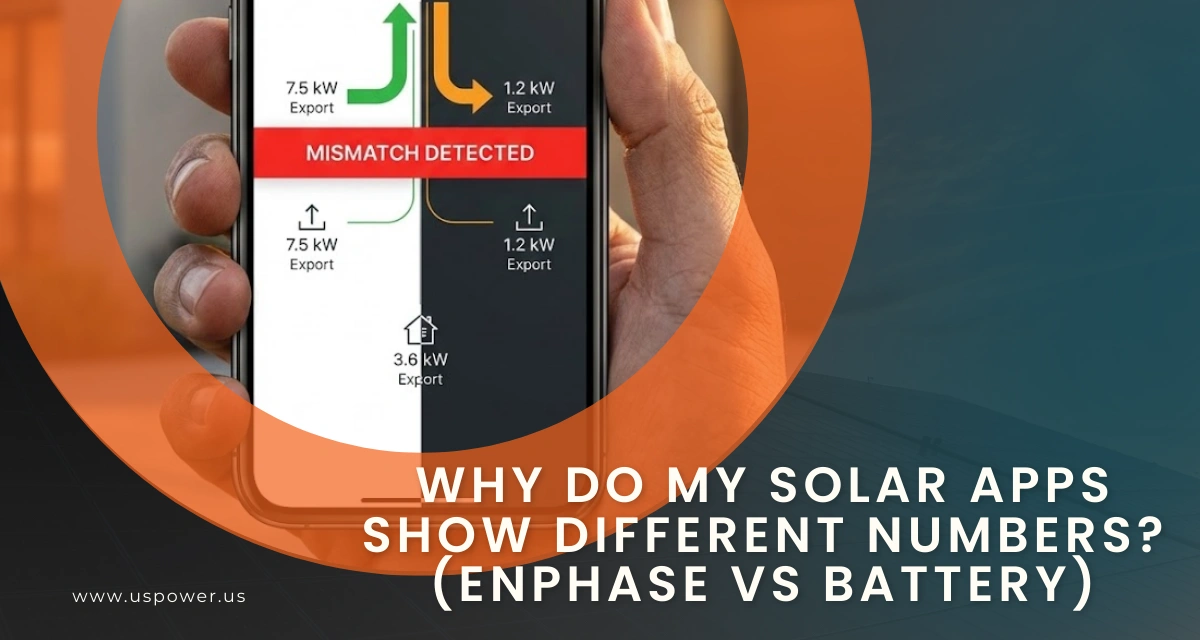
Your apps don't agree on how much solar you're exporting. Here's the real problem.

Your solar is working but without a battery, you're leaving money on the table.
Electricity bills keep rising, and homeowners want straight answers about solar.







Copyright © 2026 US Power - Axia by QCells. All Rights Reserved.
Get an instant solar estimate using satellite!