

LADWP is paying LA homeowners to install solar batteries. Here's how.

If you're an LA homeowner served by LADWP, you have access to solar battery incentives that most of California doesn't. While SCE customers navigate the cutbacks of NEM 3.0, LADWP operates under a completely different set of rules — ones that actually favor you.
The shift happening right now isn't just about saving money on your electric bill. Municipal utilities across Southern California are paying homeowners to install solar and battery systems because it's cheaper than building new power plants. That rebate check isn't a gift. It's infrastructure investment directed at your home.
Understanding what's available — and who can help you claim it — is the difference between getting thousands back or leaving it on the table.
Most California homeowners know the frustration of NEM 3.0. Since its rollout, customers of investor-owned utilities like Southern California Edison have seen dramatically lower compensation for the solar energy they send back to the grid. The financial case for solar-only systems got harder.
LADWP operates as a municipal utility — city-owned, independently governed, and not subject to California Public Utilities Commission rules that govern private utilities. That distinction matters enormously for you as a homeowner.
LADWP sets its own interconnection and compensation rules. That means LA homeowners can still benefit from net metering structures that SCE customers lost access to after NEM 3.0. Your solar panels are still worth more when you're served by a city-owned utility.
This is one of the most underappreciated advantages of living in Los Angeles. Millions of homeowners in LADWP territory are sitting on a significant financial edge over their SCE neighbors — many of them don't know it yet.
LADWP has expanded distributed solar programs, battery incentives, and virtual energy-sharing initiatives. The goal isn't charity. The city is building what energy experts call a Virtual Power Plant (VPP): a network of residential batteries that can act as one coordinated energy resource during peak demand hours.
Understanding Virtual Power Plant battery benefits is the first step toward getting paid for energy your system stores. When your battery discharges back to the grid on a hot August evening, you're effectively acting as a mini power station — and LADWP increasingly wants to compensate homeowners for that.
Southern California faces an energy crunch that isn't going away. Record-breaking heat, growing EV adoption, aging infrastructure, and wildfire-related outages are putting pressure on the grid from every direction.
Electricity rates in LA have increased steadily, and LADWP has signaled further rate adjustments tied to infrastructure upgrades. Every month you wait is another month at full utility rates.
If your current bill runs $200–$350 per month, that's $2,400–$4,200 per year going straight to the utility. Over the 25-year life of a solar system, that compounds significantly — especially as rates continue rising.
Solar paired with battery storage doesn't just reduce what you pay. It protects you from future increases. Your cost of energy gets locked in at the moment you install, regardless of what LADWP raises rates to five years from now.
Under older net metering structures, solar-only systems worked well because excess daytime energy got full credit. The economics of battery storage are now more compelling because batteries let you use your own solar energy at night — when rates are higher — instead of drawing from the grid.
Learning how solar batteries maximize your savings before choosing your system size is essential. The right battery capacity for your home depends on your usage patterns, not just square footage.
Not every system qualifies. LADWP incentive programs have specific requirements around battery capacity, inverter compatibility, and demand-response capability. Installing the wrong system doesn't just mean a smaller rebate — it can mean no rebate at all.
Demand-response capability is the most critical requirement. Your battery must be able to receive a signal from LADWP to discharge energy back to the grid during peak demand windows, typically between 4 p.m. and 9 p.m. on high-demand days.
Beyond that, utilities look at minimum storage capacity thresholds, inverter compatibility with their grid systems, and warranty terms that guarantee the system performs over the program period. Understanding how to choose the right backup power for your home before you buy is critical — the wrong system could disqualify you from thousands in available rebates.
California's Self-Generation Incentive Program (SGIP) may be available on top of LADWP's local programs for qualifying installations. Property tax exclusions also apply statewide for qualifying solar and battery systems, meaning your home value can increase without raising your property taxes.
Reviewing California SGIP rebates for home batteries ahead of your consultation helps you understand the full incentive picture before you commit. US Power's consultants identify every available layer before your installation begins.
LADWP interconnection has a reputation for being one of the slower parts of going solar in Los Angeles. Paperwork errors, missing documentation, and re-submissions can push your Permission to Operate date back by weeks or months.
US Power has completed hundreds of solar and battery installations in Southern California and has deep familiarity with LADWP's interconnection process, inspection requirements, and documentation standards. That experience means fewer delays and fewer surprises.
Most installation delays come from avoidable mistakes: incorrect system specs on the application, missing utility forms, or inverter settings that don't match LADWP's grid requirements. US Power's process is built around LADWP's specific standards — not a generic statewide template.
Understanding how solar permitting works in California gives you a clearer picture of what's involved. US Power handles the entire process: city building permits, utility interconnection paperwork, rebate applications, and final inspection coordination.
Most US Power customers in LADWP territory reach Permission to Operate within 3–4 weeks of signing. That's significantly faster than the industry average, which often stretches to 8–12 weeks when installers aren't familiar with local utility requirements.
Discover how US Power delivers solar faster than competitors through a process built specifically for Southern California's utility landscape. Speed matters when rebate funding is limited and your utility bill keeps climbing each month you wait.
LADWP is not alone in this shift. Burbank Water and Power, Glendale Water & Power, and other Southern California municipal utilities are all moving toward the same distributed energy model. The strategy details for each city vary, but the underlying logic is the same: paying homeowners to install batteries is cheaper than building new peaker plants.
The broader implications of this trend are covered in depth in the SoCal municipal utilities home batteries and Virtual Power Plant overview — a useful read before your consultation if you want to understand where the grid is heading and why acting now works in your favor.
Municipal battery rebate programs are funded on a first-come, first-served basis. When the allocated budget runs out, the rebate window closes — sometimes for months before the next funding cycle opens. There's no waiting list and no partial credits for late applicants.
The homeowners who benefit most are the ones who act while programs are active. Waiting to "see how things go" means paying full utility rates for longer and potentially missing the rebate entirely.
LA homeowners served by LADWP have a genuinely rare window right now. Municipal utility flexibility, active battery incentive programs, and the ability to stack California incentives on top create an opportunity that SCE and PG&E customers simply don't have access to.
US Power is ready to help you claim every dollar available — from identifying which rebates your home qualifies for, to pulling permits, completing your installation, and submitting every form LADWP requires. With American-made QCells panels, factory-direct pricing, and a 25-year comprehensive warranty, there's no better partner for this moment in LA energy history.
Schedule your free consultation at uspowersolar.com/go-solar-now


Explore whether adding a battery to your solar system maximizes your savings.
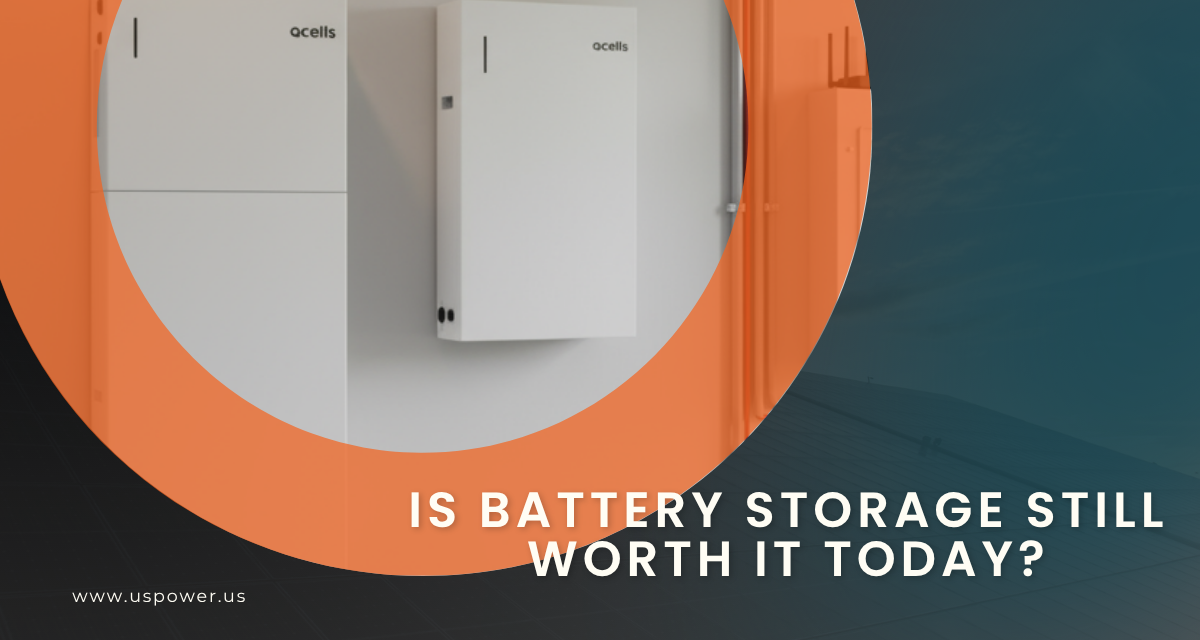
Maximize your 2025 solar ROI with compliant, reliable home battery storage.
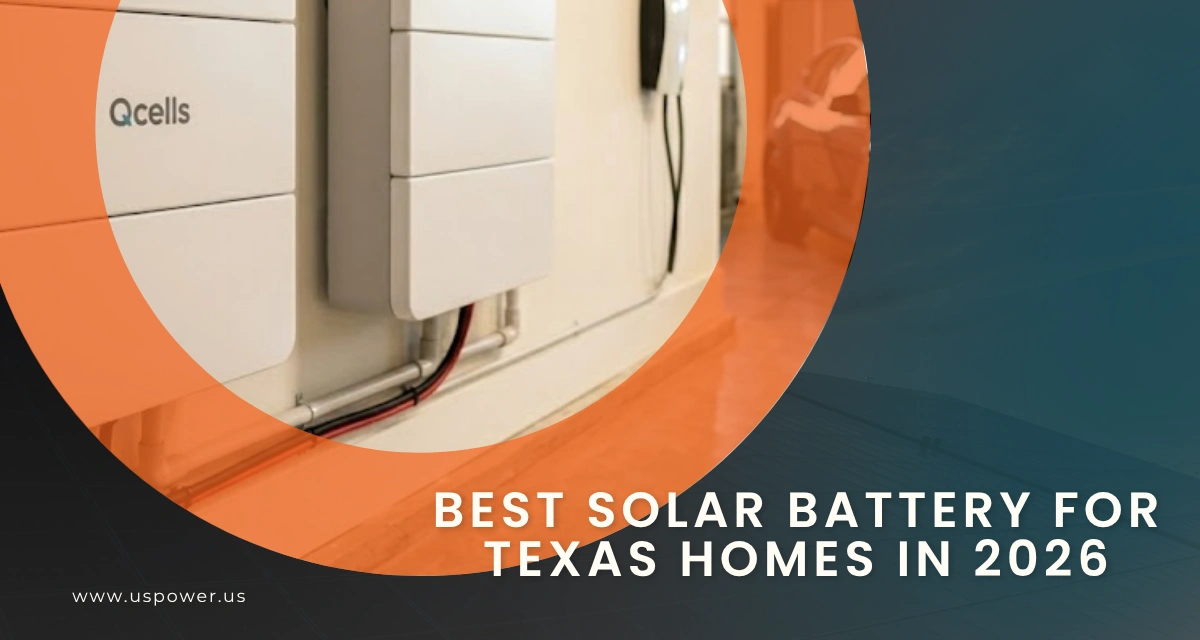
Your battery choice could cost you $6,000 more or save you from a garage fire.








Copyright © 2026 US Power - Axia by QCells. All Rights Reserved.
Get an instant solar estimate using satellite!