
LADWP paga a los propietarios de viviendas de Los Ángeles para que instalen baterías solares. He aquí cómo hacerlo.

Si es propietario de una vivienda en Los Ángeles atendido por el LADWP, tiene acceso a incentivos para baterías solares que la mayor parte de California no tiene. Mientras los clientes de SCE se enfrentan a los recortes del NEM 3.0, el LADWP opera bajo un conjunto de reglas completamente diferentes, unas que en realidad les favorecen.
El cambio que se está produciendo en este momento no se trata solo de ahorrar dinero en su factura de electricidad. Las empresas de servicios públicos municipales del sur de California están pagando a los propietarios de viviendas para que instalen sistemas solares y de baterías porque es más barato que construir nuevas plantas de energía. Ese cheque de reembolso no es un regalo. Es una inversión en infraestructura dirigida a su hogar.
Entender lo que está disponible (y quién puede ayudarte a reclamarlo) es la diferencia entre recuperar miles o dejarlo sobre la mesa.
La mayoría de los propietarios de viviendas de California conocen la frustración de NEM 3.0. Desde su lanzamiento, los clientes de empresas de servicios públicos propiedad de inversores, como Southern California Edison, han obtenido una compensación considerablemente menor por la energía solar que devuelven a la red. Los argumentos financieros a favor de los sistemas que funcionan exclusivamente con energía solar se han vuelto más difíciles.
El LADWP opera como una empresa de servicios públicos municipal: es propiedad de la ciudad, se gobierna de forma independiente y no está sujeta a las normas de la Comisión de Servicios Públicos de California que rigen los servicios públicos privados. Esa distinción es muy importante para usted como propietario de una vivienda.
El LADWP establece sus propias reglas de interconexión y compensación. Esto significa que los propietarios de viviendas de Los Ángeles aún pueden beneficiarse de las estructuras de medición neta a las que los clientes de SCE perdieron el acceso después de NEM 3.0. Tus paneles solares siguen valiendo más cuando cuentas con el servicio de una empresa de servicios públicos de propiedad municipal.
Esta es una de las ventajas más subestimadas de vivir en Los Ángeles. Millones de propietarios de viviendas en el territorio del LADWP tienen una ventaja financiera significativa con respecto a sus vecinos de la SCE; muchos de ellos aún no lo saben.
LADWP ha ampliado los programas solares distribuidos, los incentivos a las baterías y las iniciativas virtuales para compartir energía. El objetivo no es la caridad. La ciudad está construyendo lo que los expertos en energía llaman una central eléctrica virtual (VPP): una red de baterías residenciales que pueden actuar como un recurso energético coordinado durante las horas de mayor demanda.
Comprensión Ventajas de la batería de una central eléctrica virtual es el primer paso para recibir el pago por la energía que almacena su sistema. Cuando la batería vuelve a la red eléctrica en una calurosa tarde de agosto, estás actuando como una minicentral eléctrica, y LADWP quiere cada vez más compensar a los propietarios de viviendas por ello.
El sur de California enfrenta una crisis energética que no va a desaparecer. El calor sin precedentes, la creciente adopción de vehículos eléctricos, el envejecimiento de la infraestructura y las interrupciones relacionadas con los incendios forestales están ejerciendo presión sobre la red desde todas las direcciones.
Las tarifas de electricidad en Los Ángeles han aumentado de manera constante, y el LADWP ha anunciado nuevos ajustes de tarifas relacionados con las mejoras de la infraestructura. Cada mes que esperas es otro mes con las tarifas completas de los servicios públicos.
Si su factura actual es de 200 a 350 dólares al mes, eso equivale a entre 2400 y 4,200 dólares al año que van directamente a la empresa de servicios públicos. A lo largo de los 25 años de vida de un sistema solar, esa cifra se agrava considerablemente, especialmente a medida que las tasas siguen aumentando.
La energía solar combinada con el almacenamiento de baterías no solo reduce lo que paga. Lo protege de futuros aumentos. El costo de la energía se mantiene fijo en el momento de la instalación, independientemente de lo que el LADWP aumente las tarifas dentro de cinco años.
Con las estructuras de medición neta más antiguas, los sistemas que solo utilizaban energía solar funcionaban bien porque el exceso de energía diurna se atribuía todo el crédito. La economía del almacenamiento en baterías es ahora más atractiva, ya que estas permiten utilizar su propia energía solar por la noche (cuando las tarifas son más altas) en lugar de extraerla de la red.
Aprendizaje cómo las baterías solares maximizan sus ahorros antes de elegir el tamaño de su sistema es esencial. La capacidad de batería adecuada para su hogar depende de sus patrones de uso, no solo de los pies cuadrados.
No todos los sistemas cumplen los requisitos. Los programas de incentivos del LADWP tienen requisitos específicos en cuanto a la capacidad de la batería, la compatibilidad de los inversores y la capacidad de respuesta a la demanda. Instalar el sistema incorrecto no solo significa obtener un reembolso menor, sino que también puede significar que no hay ningún reembolso.
La capacidad de respuesta a la demanda es el requisito más importante. La batería debe poder recibir una señal del LADWP para devolver la energía a la red durante los períodos de máxima demanda, normalmente entre las 16:00 y las 21:00 horas en los días de alta demanda.
Más allá de eso, las empresas de servicios públicos consideran los umbrales mínimos de capacidad de almacenamiento, la compatibilidad de los inversores con sus sistemas de red y los términos de garantía que garantizan el rendimiento del sistema durante el período del programa. Comprensión cómo elegir la energía de respaldo adecuada para su hogar antes de comprar es fundamental: un sistema incorrecto podría descalificarlo para recibir miles de reembolsos disponibles.
El Programa de incentivos para la autogeneración (SGIP) de California puede estar disponible además de los programas locales del LADWP para las instalaciones que reúnan los requisitos. Las exclusiones de impuestos a la propiedad también se aplican en todo el estado a los sistemas solares y de baterías que reúnen los requisitos, lo que significa que el valor de su vivienda puede aumentar sin aumentar sus impuestos a la propiedad.
Revisando Reembolsos del SGIP de California para baterías domésticas antes de su consulta le ayuda a comprender el panorama completo de los incentivos antes de comprometerse. Los consultores de US Power identifican cada capa disponible antes de que comience la instalación.
La interconexión LADWP tiene la reputación de ser una de las partes más lentas de la energía solar en Los Ángeles. Los errores de papeleo, la falta de documentación y los nuevos envíos pueden retrasar la fecha de su permiso de operación semanas o meses.
US Power ha completado cientos de instalaciones solares y de baterías en el sur de California y está muy familiarizado con el proceso de interconexión, los requisitos de inspección y los estándares de documentación del LADWP. Esa experiencia significa menos demoras y menos sorpresas.
La mayoría de los retrasos en la instalación se deben a errores evitables: especificaciones incorrectas del sistema en la aplicación, falta de formularios de utilidad o configuraciones del inversor que no coinciden con los requisitos de red del LADWP. El proceso de US Power se basa en los estándares específicos del LADWP, no en una plantilla genérica para todo el estado.
Comprensión cómo funcionan los permisos de energía solar en California te da una idea más clara de lo que implica. US Power se encarga de todo el proceso: los permisos de construcción de la ciudad, la documentación de interconexión de los servicios públicos, las solicitudes de reembolso y la coordinación final de la inspección.
La mayoría de los clientes de US Power en el territorio del LADWP obtienen el permiso para operar en un plazo de 3 a 4 semanas a partir de la firma. Esto es considerablemente más rápido que la media del sector, que suele prolongarse entre 8 y 12 semanas cuando los instaladores no están familiarizados con los requisitos de las empresas de servicios públicos locales.
Descubre cómo US Power suministra energía solar más rápido que la competencia mediante un proceso creado específicamente para el panorama de servicios públicos del sur de California. La velocidad es importante cuando los fondos para los reembolsos son limitados y tu factura de servicios públicos sigue aumentando cada mes que esperas.
El LADWP no está solo en este cambio. Burbank Water and Power, Glendale Water & Power y otras empresas de servicios públicos municipales del sur de California están adoptando el mismo modelo de energía distribuida. Los detalles de la estrategia para cada ciudad varían, pero la lógica subyacente es la misma: pagar a los propietarios de viviendas para que instalen las baterías es más barato que construir nuevas plantas de alta demanda.
Las implicaciones más amplias de esta tendencia se abordan en profundidad en el Servicios públicos municipales de SoCal, baterías domésticas y central eléctrica virtual descripción general: una lectura útil antes de la consulta si desea comprender hacia dónde se dirige la cuadrícula y por qué actuar ahora funciona a su favor.
Los programas municipales de reembolso de baterías se financian por orden de llegada. Cuando se agota el presupuesto asignado, se cierra el período de reembolso, a veces durante meses antes de que comience el siguiente ciclo de financiación. No hay lista de espera ni créditos parciales para los solicitantes tardíos.
Los propietarios de viviendas que más se benefician son los que actúan mientras los programas están activos. Esperar a «ver cómo van las cosas» significa pagar las tarifas completas de los servicios públicos durante más tiempo y, posiblemente, no recibir el reembolso por completo.
Los propietarios de viviendas de Los Ángeles atendidos por LADWP tienen una oportunidad realmente rara en este momento. La flexibilidad de los servicios públicos municipales, los programas activos de incentivos para la compra de baterías y la posibilidad de combinar los incentivos de California crean una oportunidad a la que los clientes de SCE y PG&E simplemente no tienen acceso.
US Power está lista para ayudarlo a reclamar cada dólar disponible, desde identificar los reembolsos para los que califica su vivienda hasta obtener los permisos, completar la instalación y enviar todos los formularios que el LADWP requiera. Con los paneles QCells de fabricación estadounidense, los precios directos de fábrica y una garantía integral de 25 años, no hay mejor socio para este momento en la historia energética de Los Ángeles.
Programe su consulta gratuita en uspowersolar.com/go-solar-now


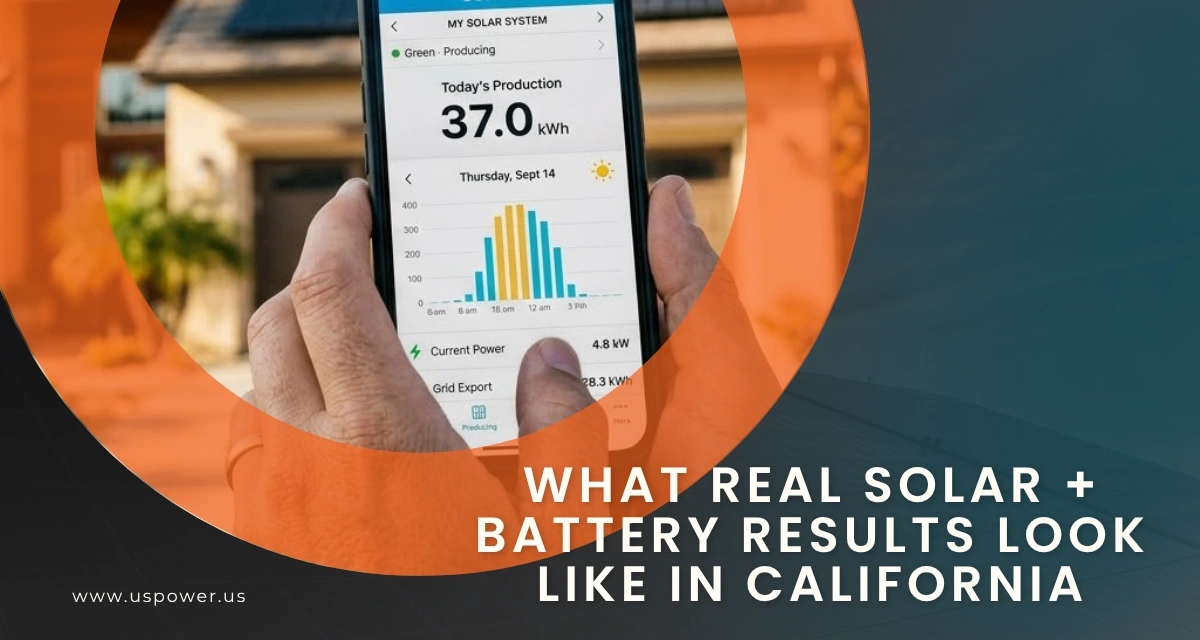
Zero grid usage, EV fully charged — here's what Day 2 with solar looks like.
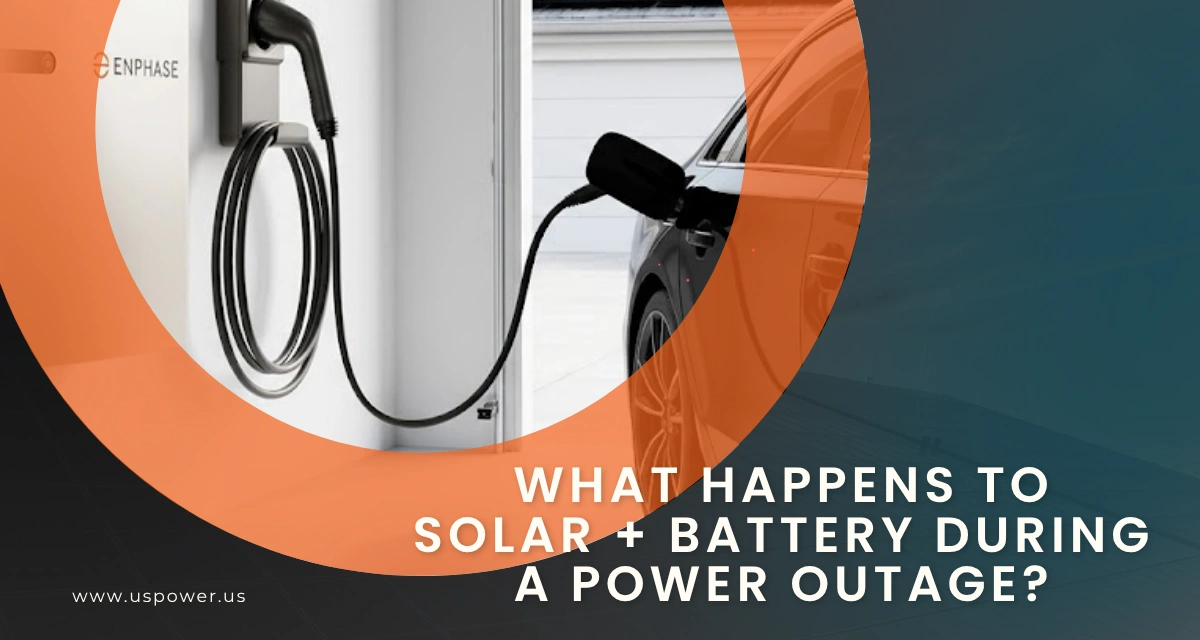
Electricity bills keep rising, and homeowners want straight answers about solar.
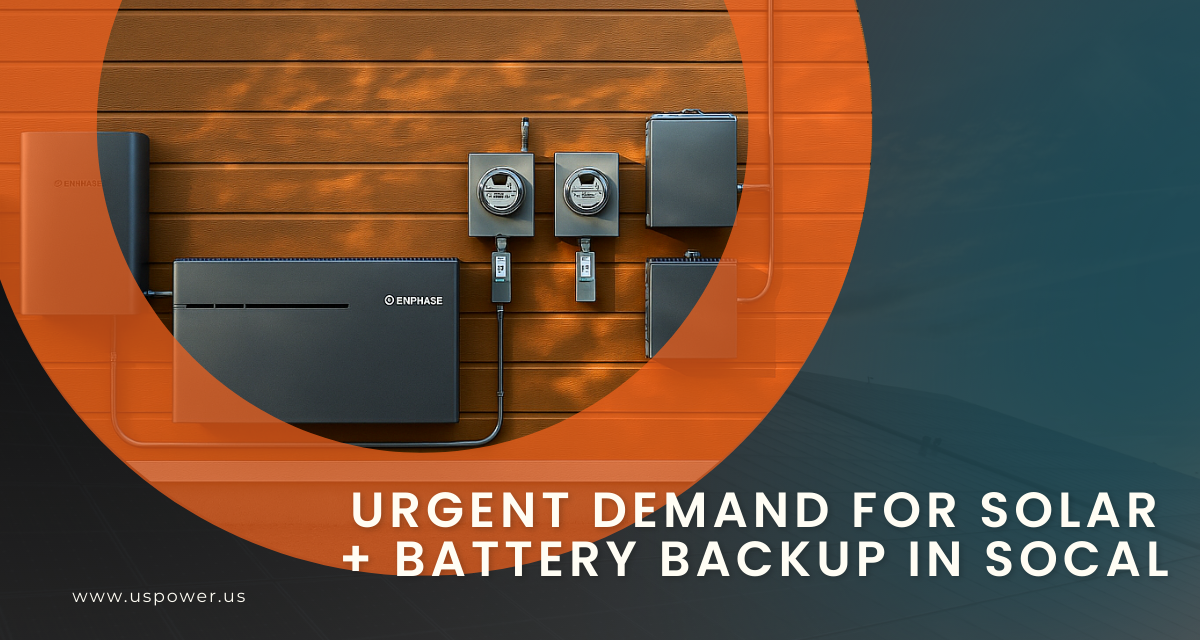
Rising rates and outages drive SoCal homeowners to secure solar with storage.







¿Estás listo para ser dueño de tu poder? ¡Llámenos hoy mismo!
818-650-8010Número de licencia de contratista: 1144368

Derechos de autor © 2025 US POWER | Energía solar y techosUS Power - Axia by QCells. All Rights Reserved.
¡Obtenga una estimación solar instantánea usando el satélite!