

Worried an electrical panel upgrade will push back your Reseda solar install? A subpanel installation in Reseda CA usually adds only a few days, not months, when it is planned before you sign. This guide explains what a subpanel upgrade is, why older Reseda homes need one, whether it truly delays your project, and how US Power folds the electrical work into one permit package to keep your install on schedule.
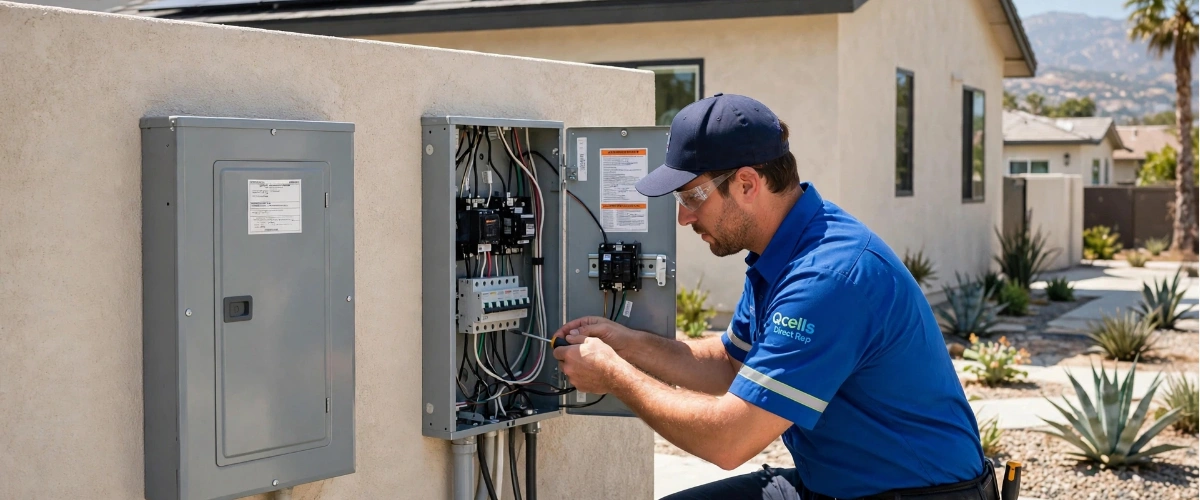
You found a great solar quote, you are ready to sign, and then your installer mentions an electrical panel upgrade. Suddenly you are wondering if your Reseda solar project just got pushed back weeks. It is one of the most common worries homeowners have, and the honest answer is that a subpanel installation in Reseda CA does not have to derail your timeline. When it is planned correctly and handled by one experienced team, the extra electrical work usually adds only a few days, not months. This guide explains what a subpanel upgrade is, why older Reseda homes often need one, whether it really slows your install, and how US Power keeps the whole project moving.
Your main electrical panel is the heart of your home's power system, and solar has to connect through it safely. If that panel cannot handle the extra load, the upgrade becomes the first domino in your project.
A subpanel is a smaller electrical panel that branches off your main service panel to add circuits and capacity. When your existing panel is full or undersized, a subpanel gives your solar system and battery a safe place to connect without overloading the original box. It is a routine part of many installs, not a red flag, and a good installer sizes it to your future needs so you are not upgrading again in a few years.
Many Reseda homes were built decades ago with 100 amp service that was never designed for solar, batteries, EV chargers, and modern appliances all at once. These older panels frequently lack the spare breaker space or capacity that a solar interconnection requires. A quick assessment tells you whether your current setup can accept solar directly or whether a subpanel or service upgrade is the smarter path.
You do not have to guess about your panel. A qualified installer follows a clear process to determine exactly what your home needs before a single panel goes on the roof.
The first step is checking your main panel's amperage rating, usually stamped near the main breaker, along with its age and condition. A 200 amp panel in good shape often has room for solar as is, while a crowded 100 amp panel may not. Signs like a fully packed breaker row, scorching, or an obsolete brand can also flag the need for an upgrade. Reviewing a California solar electrical code checklist helps you understand what inspectors will look for.
Beyond the label, your installer runs a load calculation that adds up everything your home draws and compares it to your panel's capacity. This math decides whether your solar and battery can back feed safely or whether a subpanel is required to carry the new circuits. Doing this correctly upfront is what prevents surprise change orders and delays later in the project.
Here is the question every homeowner actually wants answered. A panel upgrade does add steps, but with the right planning it rarely turns a quick install into a long one.
When the electrical work is scoped before you sign, a subpanel or panel upgrade typically adds only a few working days to the physical installation. The bigger timeline factors in Reseda are almost always permitting and utility approval, not the panel work itself. Because US Power completes most installs within 3 to 4 weeks after approval, a well planned electrical upgrade fits inside that window rather than extending it dramatically.
The delays homeowners fear usually come from installers who discover the panel problem mid project and have to stop, reprice, and pull new permits. US Power avoids that by assessing your panel before the contract, folding any electrical work into the same permit package, and scheduling the upgrade alongside the solar install. One coordinated plan means fewer stops and a faster path to a live system.
The difference between a smooth install and a stalled one usually comes down to who is planning it. This is where working with an experienced local team pays off.
US Power evaluates your electrical panel during the consultation, not after the crew arrives. Our CSLB-licensed consultants build the load calculation and any needed subpanel directly into your quote, so the price you approve is the price you pay. That transparency is a big reason we have earned 200 plus five-star Google reviews from homeowners who value no hidden fees. We serve homeowners across the San Fernando Valley service area, so we know how Reseda's older housing stock tends to be wired.
Because US Power handles the electrical upgrade, the permitting, and the American-made Qcells solar panels under one roof, nothing falls through the cracks between separate contractors. Nearby Northridge homeowners who chose US Power have seen how a single accountable team keeps a project on schedule. Everything is backed by our 25 year comprehensive warranty on panels, workmanship, and performance.
Sometimes the answer is yes, and a good installer will tell you honestly whether you can skip the extra work or whether it is worth doing anyway.
Depending on your panel, there may be ways to connect solar without a full upgrade, such as a load-side tap or a meter collar adapter. These options can save time and money when your existing service has just enough headroom. Our guide on panel upgrades versus meter collar options walks through when each approach makes sense for older homes.
Avoiding an upgrade is not always the right call. If you plan to add a battery, an EV charger, or a heat pump down the road, an undersized panel will force a second upgrade and a second round of permits. Sizing your electrical service correctly now, especially if you plan to pair solar with battery storage, often saves money over the life of your system.
The panel is only one piece of the schedule. Knowing the other moving parts helps you set realistic expectations for your Reseda project.
Reseda homes are served by LADWP, and both the city permit and the utility interconnection approval take time regardless of your panel. Building your electrical work into a single permit submission keeps these steps aligned. Reading up on how to avoid permit headaches and speed up installation shows why an organized installer matters here.
After installation, a city inspection and final utility sign off, known as permission to operate, are the last gates before your system switches on. These steps are standard and largely outside your control, which is why front loading the panel work matters so much. For the full picture, see our solar installation timeline for Southern California.
A subpanel upgrade sounds intimidating, but it is a routine, manageable step that rarely adds real delay when it is planned before you sign. The homeowners who face long hold ups are usually the ones whose installer missed the panel issue upfront. With US Power assessing your electrical service early, folding any upgrade into one permit package, and installing within 3 to 4 weeks after approval, your Reseda solar project stays on track. Utility rates are not getting cheaper, so the sooner you start, the sooner your savings begin.


Discover the best solar panels trusted by North Hollywood, California homeowners.
Find out how fast solar pays off in Pasadena with our top-rated QCells panels.
Get the latest update on electricity rates for Los Angeles homeowners in 2025.








Copyright © 2026 US Power - Axia by QCells. All Rights Reserved.
Get an instant solar estimate using satellite!