

A Texas homeowner's solar nightmare — faulty equipment, months of delays, and payment threats, reveals exactly what can go wrong when you hire the wrong solar company. Here's how to protect yourself before you sign anything.
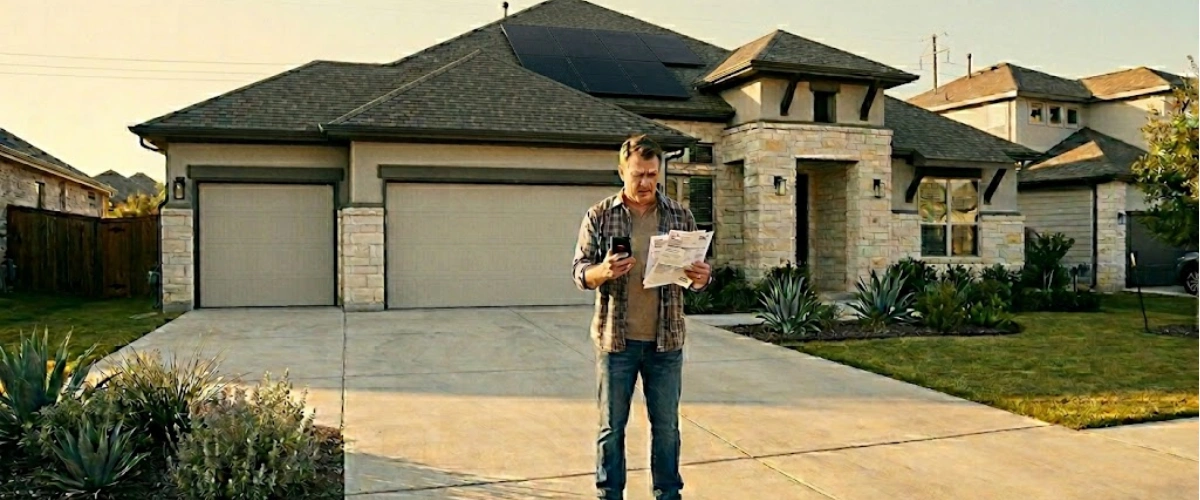
Imagine your solar panels are finally installed. Permission to operate is granted. You're ready to start saving — but something's wrong.
Your energy monitoring system is wildly off. The numbers don't match your actual usage. You contact the installer. They promise to fix it. Weeks pass. Then months. Then the salesman calls — not to apologize, but to threaten: Pay the final balance tomorrow, or you'll lose your warranty.
This is exactly what happened to one homeowner who trusted the wrong solar company. And the lessons from that experience apply directly to homeowners across Texas, where solar adoption is surging and so is the number of contractors cutting corners.
Before you sign anything, here's what you need to know.
The homeowner's story starts simply enough. Solar panels go up in October. The system passes inspection and receives permission to operate in January after failing three times due to electrical problems.
But the consumption clamps — the sensors that measure how much energy the home is actually using — never worked correctly. Readings were off by a factor of three or more. The homeowner noticed it from day one and reported it immediately.
The contractor kept promising to send someone out. Weeks turned into months. By late March — four months after installation — nothing had been repaired.
Meanwhile, the homeowner had also withheld the final payment of $3,450 as leverage. That's when things escalated. A salesman called with an ultimatum: pay by tomorrow or lose your warranty and your tax rebate.
This threat is a classic pressure tactic. A contractor facing financial trouble — layoffs, cash flow problems — will often use urgency and fear to collect outstanding balances before the customer can push back.
Understanding solar installation problems and how to prevent them starts with recognizing these patterns before you're in the middle of one.
You don't have to wait until something breaks to spot a problem. These warning signs show up before and during installation — if you know what to look for.
A reputable installer fixes problems fast. If your contractor goes quiet after receiving the bulk of your payment, that silence is a warning. Legitimate companies have service teams on standby. They don't make you chase them for months.
"Pay now or lose your warranty" is not how real warranties work. Your equipment warranty is tied to the manufacturer — not the installer's invoice. A contractor threatening to void coverage unless you pay is almost certainly bluffing.
Layoffs, slow communication, and pressure to collect payments are all signs a company may be struggling. If they go out of business, the workmanship warranty disappears with them — even if the equipment warranty stays intact.
Knowing the red flags when choosing a solar company in advance is one of the most important things a Texas homeowner can do before signing a contract.
One failed inspection can happen. Three consecutive failures — like this homeowner experienced — points to systemic quality issues that don't disappear after PTO is granted.
If your solar monitoring app shows consumption numbers that are wildly inconsistent with your electric bill, don't ignore it. A 3x discrepancy — like this homeowner experienced — means your system is essentially flying blind. You have no idea if it's actually saving you money.
If you're already dealing with a bad installer, you're not powerless. Here's what smart homeowners do.
Write down every date, every promise, every phone call. Save every text and email. If your state allows one-party recording of phone conversations (Texas does), use it.
When you know what happens after solar installation problems, you realize how important a paper trail becomes — especially if you end up in arbitration.
Most solar contracts structure payments in milestones. The final payment is your greatest leverage. Don't release it until every punch-list item is resolved. If the contractor threatens consequences, review your contract carefully — their obligations don't disappear because they've grown impatient.
There are typically two separate warranties at play: the equipment warranty (from the manufacturer) and the workmanship warranty (from the installer). If the installer goes under, you lose the workmanship coverage.
Understanding solar panel warranties for your home before you sign is essential. Ask specifically: what happens to my workmanship warranty if your company closes?
Many solar contracts include mandatory arbitration clauses that prevent homeowners from taking disputes to small claims court. If yours does, you'll need to follow the contract's dispute resolution process — another reason to document everything from day one.
Here's the part most salespeople won't mention: installer bankruptcies happen. And when they do, the workmanship warranty — the one that covers faulty installation, consumption clamps, roof flashing — evaporates.
Your panel manufacturer will still honor the product warranty. But if a roof leak develops because the mounting hardware was installed incorrectly, you'll have to hire a new contractor, pay out of pocket for the service call, and then pursue the manufacturer for a warranty replacement — all separately.
The hidden frustrations after solar installs that homeowners rarely talk about often come down to exactly this: the gap between what the equipment warranty covers and what actually goes wrong.
Texas has no statewide solar contractor licensing requirement, which means the barrier to entry is lower than in states like California. That makes it even more important for Texas homeowners to vet installers carefully, check reviews independently, and ask hard questions about financial stability before signing.
Not every solar company operates like the one in this story. There's a meaningful difference between a contractor chasing volume and one genuinely invested in long-term customer relationships.
US Power backs every installation with a 25-year comprehensive warranty covering panels, workmanship, and performance. That's not a manufacturer pass-through — it's a real commitment to standing behind the work.
When you're comparing installers, ask each one how they handle a faulty consumption clamp six months after installation. The answer will tell you everything.
As an exclusive QCells partner, US Power sources American-made panels directly from the factory. That cuts out middlemen and lowers your cost by 15-20% compared to market pricing — without sacrificing quality.
If you want to understand how to choose a solar installation company that prioritizes your long-term savings over their short-term margin, this factory-direct model is a good place to start.
From permit approval to energized system, US Power completes most installations in 3-4 weeks. The solar installation timeline explained is straightforward when the company is organized and adequately staffed — not constantly scrambling.
The best time to protect yourself from a bad installer is before the contract is signed — not after the panels go up.
Before you commit, get clear answers on these:
Understanding how to protect yourself from predatory solar contracts comes down to asking these questions confidently and walking away if the answers feel evasive.
The homeowner in this story did nothing wrong. They paid a deposit. They followed up consistently. They withheld final payment responsibly. And they still ended up months into a dispute with a failing company.
The real protection came too late — after signing. Don't let that happen to you.
Texas is an excellent market for solar in 2026. Rising electricity rates make the financial case stronger than ever. But the quality of your installer determines whether that investment pays off or turns into an expensive headache.
US Power's 200+ five-star reviews, American-made QCells panels, and 25-year comprehensive warranty aren't just marketing. They're the difference between a system that works and one that causes years of frustration.


Learn how US Power installs solar efficiently without compromising quality.

Maximize your home solar lifespan and cost savings with Qcells and US Power.
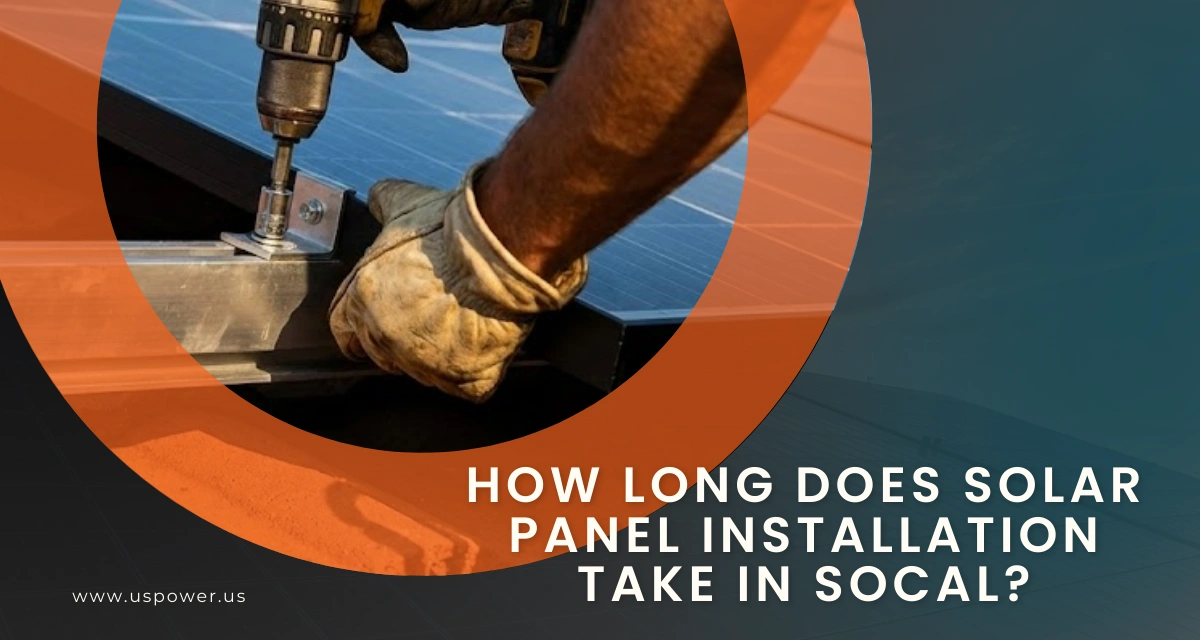
From permits to power: Your complete solar installation timeline explained.







¿Estás listo para ser dueño de tu poder? ¡Llámenos hoy mismo!
818-650-8010Número de licencia de contratista: 1144368

Derechos de autor © 2025 US POWER | Energía solar y techosUS Power - Axia by QCells. All Rights Reserved.
¡Obtenga una estimación solar instantánea usando el satélite!