
Con la eliminación del crédito fiscal federal y los cambios de NEM 3.0 en la forma en que los propietarios del sur de California obtienen créditos, el debate entre PPA y financiación es totalmente distinto en 2026. Esto es lo que dicen los números realmente, y lo que la mayoría de las empresas solares no le dirán de entrada.

Un PPA puede ser una buena opción si no reúne los requisitos para obtener financiación y desea un alivio inmediato en su factura sin coste inicial. Negocie un escalador del 0% y comprenda las implicaciones en caso de reventa. Para los propietarios a largo plazo, la propiedad suele ser más rentable.
Si su factura de SCE no ha dejado de subir y por fin está listo para instalar energía solar, probablemente se haya planteado esta pregunta: ¿debería financiar un sistema que sea suyo o firmar un Acuerdo de Compra de Energía (PPA) y pagar por la energía que produce?
Es una pregunta válida, y la respuesta se ha vuelto mucho más complicada. Dado que el crédito fiscal federal por energía solar dejó de estar disponible después del 31 de diciembre de 2025 y que NEM 3.0 ha cambiado el funcionamiento de los créditos solares en el sur de California, las reglas del juego han cambiado. Los consejos que circulan por internet están mayormente desactualizados.
Esta guía analiza ambas opciones con honestidad, utilizando números reales, para que pueda decidir qué es lo que realmente le conviene a su hogar en 2026.
Las tarifas de Southern California Edison han aumentado considerablemente en los últimos años, y 2026 no es la excepción. El cliente residencial promedio de SCE paga ahora unas tarifas que hacen que la energía solar sea más atractiva financieramente que nunca, pero también hacen que la elección de cómo pasarse a la energía solar sea más trascendental.
Cuando el costo de la electricidad por kWh es más alto, un mal contrato solar también le cuesta más. Por eso es fundamental entender la diferencia entre ser propietario y alquilar en este momento. Obtenga más información sobre qué está impulsando estos aumentos en nuestro análisis sobre el aumento de los costos de electricidad en el sur de California.
Esta es la realidad: el crédito fiscal federal a la inversión del 30% para propietarios finalizó el 31 de diciembre de 2025. Ese crédito inclinaba significativamente la balanza a favor de la financiación, ya que reducía el costo efectivo del sistema en casi un tercio.
Sin él, la brecha entre el PPA y la financiación se ha reducido. Eso no significa que la financiación sea una mala opción, sino que debe hacer los números con más cuidado que nunca.
Un Acuerdo de Compra de Energía (PPA) significa que una empresa solar instala paneles en su techo sin costo inicial. Usted acepta comprar la electricidad que producen esos paneles a una tarifa fija —generalmente más baja que la que cobra SCE— durante 20 a 25 años.
A simple vista, parece una victoria: factura más baja y sin costo de instalación. Pero los detalles son sumamente importantes.
La mayoría de los PPA incluyen un aumento anual de tarifa, a menudo de alrededor del 3% anual. A corto plazo, esa cifra parece pequeña. En 25 años, se acumula significativamente. Un pago de PPA de 115 $/mes con un crecimiento anual del 3% se convierte en casi 240 $/mes para el año 25.
Mientras tanto, un sistema financiado tiene un pago fijo. El pago de su préstamo en el año 25 es idéntico al del primer año. Esa previsibilidad tiene un valor real, especialmente con las tarifas de SCE, que ya son impredecibles. El enfoque más inteligente es negociar un aumento del 0% si decide optar por un PPA, pero esos acuerdos son cada vez más raros.
Bajo NEM 3.0, la política actual de medición neta de California, los paneles solares por sí solos generan significativamente menos créditos de exportación que bajo NEM 2.0. Los créditos que recibe por enviar energía de vuelta a la red son menores y dependen del momento. Esto significa que el almacenamiento en baterías ha pasado de ser opcional a esencial para la mayoría de los propietarios de viviendas del sur de California que desean maximizar sus ahorros.
Esto es lo que tiene que ver con la comparación entre PPA y financiación: normalmente no puede añadir una batería a un sistema PPA sin renegociar todo su contrato. Cuando usted es dueño de su sistema, tiene el control total. Puede añadir almacenamiento cuando esté listo, cambiar de plan de tarifas y optimizar su configuración sin pedir permiso a nadie. Entienda cómo NEM 3.0 cambió los ahorros en energía solar antes de comprometerse con cualquier contrato solar.
Bajo NEM 3.0, la respuesta para la mayoría de los propietarios de viviendas del sur de California es sí. Una batería le permite almacenar la energía solar que generan sus paneles durante las horas de máxima producción y utilizarla por la noche, cuando las tarifas por tiempo de uso de SCE son más altas. En lugar de exportar créditos baratos a la red, usted consume su propia energía cuando es más costosa.
Explore si las baterías solares valen la pena en California para su situación específica. Con la propiedad, usted controla esa decisión.
Analicemos un escenario realista en el sur de California. Un sistema de 9 kW con un precio de entre 25 000 y 28 000 $ (una tarifa competitiva cuando se compra directamente de fábrica) financiado a una tasa razonable produce un pago mensual fijo. No hay aumentos, ni sorpresas en las tarifas, ni terceros involucrados.
Compare eso con un PPA de 115 $/mes que crece un 3% anual. Para el año 10, el pago del PPA habrá crecido a aproximadamente 155 $/mes. Para el año 20, estará pagando más de 200 $/mes y seguirá sin ser dueño de nada. Nuestra guía sobre las formas más inteligentes de pagar por energía solar analiza la comparación completa con escenarios específicos del sur de California.
Aquí es donde muchos propietarios de viviendas en Los Ángeles y el condado de Orange son tomados por sorpresa. Si tiene un PPA y decide vender su casa, tiene dos opciones: transferir el contrato al comprador (lo cual algunos compradores rechazan) o pagar una tarifa de cancelación anticipada que puede ascender a decenas de miles de dólares.
La energía solar propia, por otro lado, es un activo directo. Los estudios muestran cómo los paneles solares aumentan el valor de su hogar en California, lo que generalmente añade una prima significativa en la reventa sin complicaciones para los compradores.
No todos los acuerdos de PPA son iguales. Algunos contratos incluyen cláusulas de compra por "valor justo de mercado" a los 5 años, lo que significa que la empresa puede fijar el precio que usted paga para quedarse con el sistema. Otros limitan las modificaciones que puede hacer en su propio techo. Antes de firmar nada, entienda cómo identificar contratos solares abusivos en el sur de California y qué señales de alerta debe tener en cuenta.
US Power es el socio exclusivo de QCells en el sur de California. Los paneles QCells se fabrican en los Estados Unidos, no se importan, lo que significa que no hay riesgo de aranceles ni incertidumbre en la cadena de suministro. Debido a que obtenemos los productos directamente de fábrica, nuestros precios son entre un 15 y un 20% más bajos de lo que pagaría a través de los canales minoristas de energía solar habituales.
Esa ventaja de precio importa más en 2026 que nunca antes con el crédito fiscal en juego. Al financiar, un costo de sistema más bajo significa un pago mensual más bajo y un período de recuperación más rápido. Revise sus opciones para comprar frente a arrendar paneles solares en el sur de California teniendo en cuenta precios precisos y actuales.
Una de las preocupaciones de los propietarios inteligentes es si la garantía de 25 años de una financiera realmente vale la pena. Muchas empresas de préstamos solares han quebrado y las garantías pueden desaparecer en los tribunales.
La garantía integral de 25 años de US Power cubre paneles, mano de obra y rendimiento, y está respaldada por QCells, no por una financiera emergente. Cuando usted es dueño de su sistema a través de US Power, no depende de la salud financiera de un tercero para hacer valer su cobertura. Explore opciones de financiamiento solar asequibles en el sur de California que no incluyen sorpresas en la letra pequeña.
Desde la aprobación hasta el Permiso para Operar (PTO), US Power completa las instalaciones de manera constante en 3 a 4 semanas, más rápido que el promedio de la industria. Cada consultor cuenta con licencia CSLB. Cada instalación sigue un proceso diseñado específicamente para su techo y su perfil de consumo.
El debate entre PPA y financiamiento no tiene una respuesta única, pero en el sur de California en 2026 —sin crédito fiscal federal, con NEM 3.0 vigente y con las tarifas de SCE en constante aumento— la propiedad ofrece ventajas que un PPA simplemente no puede igualar. Pagos fijos, control total sobre el almacenamiento en baterías, una venta de vivienda sin complicaciones y una garantía en la que realmente puede confiar.
La pregunta no es solo PPA o financiamiento. Es en quién confía para instalar el sistema en su techo. Los precios directos de fábrica de QCells de US Power, el plazo de 3 a 4 semanas y la garantía integral de 25 años hacen que la propiedad sea la opción más inteligente para los propietarios de Los Ángeles, Orange County, Ventura, San Bernardino y Riverside que están listos para dejar de alquilar su energía a SCE.


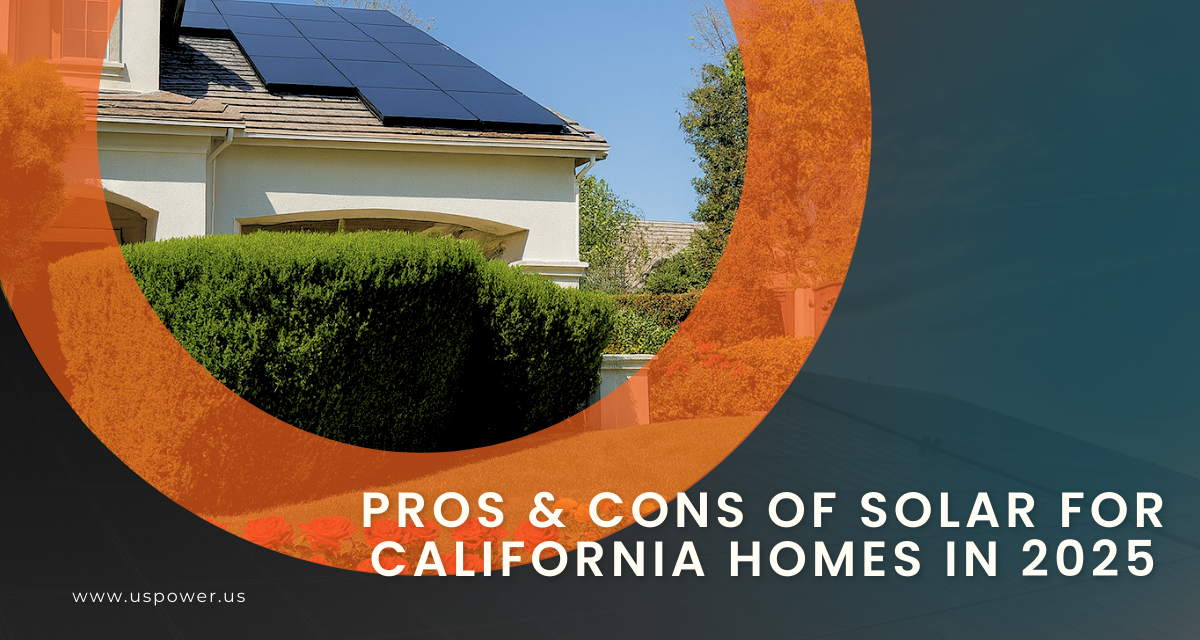
¿Consideras la energía solar? Descubre los costos y beneficios reales en California.
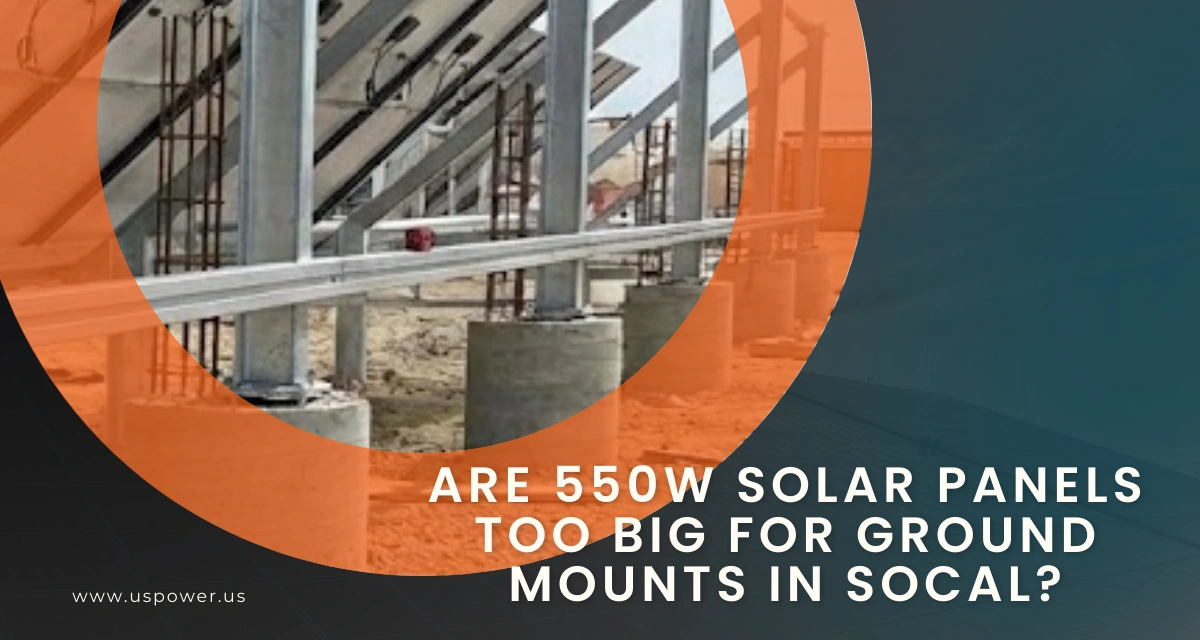
Paneles de 550W: ¿Demasiado grandes o la opción más inteligente para suelo?
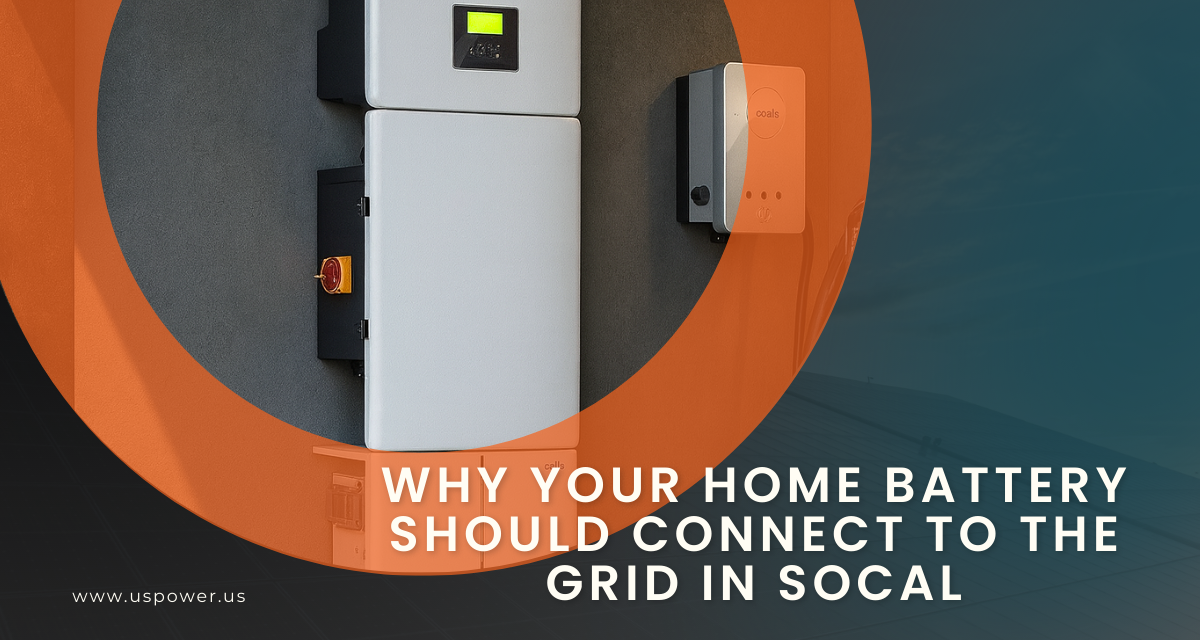
Las baterías solares conectadas a red ofrecen respaldo, ahorro y apoyo en NEM 3.0.







¿Listo para tomar el control de tu energía? ¡Llámanos hoy!
818-650-8010Licencia de contratista n.º: 1144368

Copyright © 2026 US Power - Axia by QCells. Todos los derechos reservados.
¡Obtenga un presupuesto solar al instante mediante satélite!