
Before making the switch to solar energy, it's essential to understand all the options available to you.
Deciding whether to lease or buy solar panels used to come down largely to one factor, the 30 percent federal tax credit. That credit ended December 31, 2025, which changes the math for both paths. This guide breaks down what leasing and buying actually cost in California right now, and which one makes sense for your situation.
Buying solar panels means you own the system outright, either through a cash purchase or a solar loan. You keep every dollar of savings the system produces, and the equipment adds value to your home rather than being a third party's asset sitting on your roof.
System cost depends heavily on size, roof complexity, and whether you are working with a factory-direct installer or a reseller. Factory-direct Qcells pricing through US Power runs 15 to 20 percent below typical California market rates for the same American-made, Tier 1 equipment, which is one of the more effective ways to offset the loss of the federal credit.
Full system ownership, the strongest long-term return on investment, increased home value, and complete control over equipment and performance are the core advantages. SGIP battery rebates also remain available to owners who add storage, further improving the math.
The higher upfront investment is the main tradeoff, even with financing available. Owners are also responsible for monitoring and maintenance, though this is largely offset by a 25-year comprehensive warranty covering panels, workmanship, and performance.
Leasing means you do not own the solar system. You pay a monthly fee to use it, similar to renting, while the installer or leasing company retains ownership and handles maintenance.
Lease payments vary by system size and provider, generally with little or no upfront cost, which makes leasing attractive to homeowners who cannot or do not want to make a large investment. Most leases include an annual payment escalator, commonly 2.5 to 3.9 percent, meaning the monthly cost is not fixed for the life of the contract.
You benefit from lower monthly electric bills, but the leasing company, not you, keeps any available incentives. Lifetime savings under a lease are consistently lower than ownership, since a growing share of the value goes to escalating lease payments rather than staying in your pocket.
Low or zero upfront cost, maintenance handled by the provider, predictable near-term payments, and an easy entry point into solar.
You never own the system, incentives go to the leasing company rather than you, selling your home becomes more complicated since the lease must transfer or be bought out, and lifetime savings are meaningfully lower than ownership. Understanding what to check before buying a home with an existing solar lease is worth reading whether you are the one leasing or evaluating a home that already has one.
The federal residential solar tax credit ended December 31, 2025 and does not apply to systems installed in 2026 or later, whether owned or leased. Before it expired, owners could claim the credit directly, adding a meaningful upfront discount. That advantage for ownership is gone, though ownership's other advantages, equity, control, and long-term savings, remain intact.
With the credit no longer narrowing the price gap, the starting cost of your system matters more than ever. Factory-direct Qcells pricing is one of the few remaining ways to meaningfully reduce what you pay for ownership, which keeps buying competitive even without the credit.
California continues to hold the highest amount of installed residential solar capacity of any state, and that scale is exactly why factory-direct partnerships matter, larger manufacturing relationships translate into lower per-watt pricing that gets passed on to homeowners who buy rather than lease.
You plan to stay in your home long term, want the strongest possible return, and want full control over your equipment and any future upgrades like added battery storage.
Zero upfront cost matters more to you than maximizing long-term savings, or you are not planning to stay in the home long enough to benefit from ownership's payback period.
US Power's exclusive Qcells partnership keeps ownership pricing 15 to 20 percent below typical market rates, backed by CSLB-licensed consultants and a 25-year comprehensive warranty covering panels, workmanship, and performance.
Choosing between leasing and buying comes down to your budget, energy goals, and how long you plan to stay in your home. US Power's consultants walk through both scenarios with your actual numbers, not a generic template, so you can make the decision that fits your situation.


Real 2026 solar costs by state, no markup, no sales pitch, just the numbers.
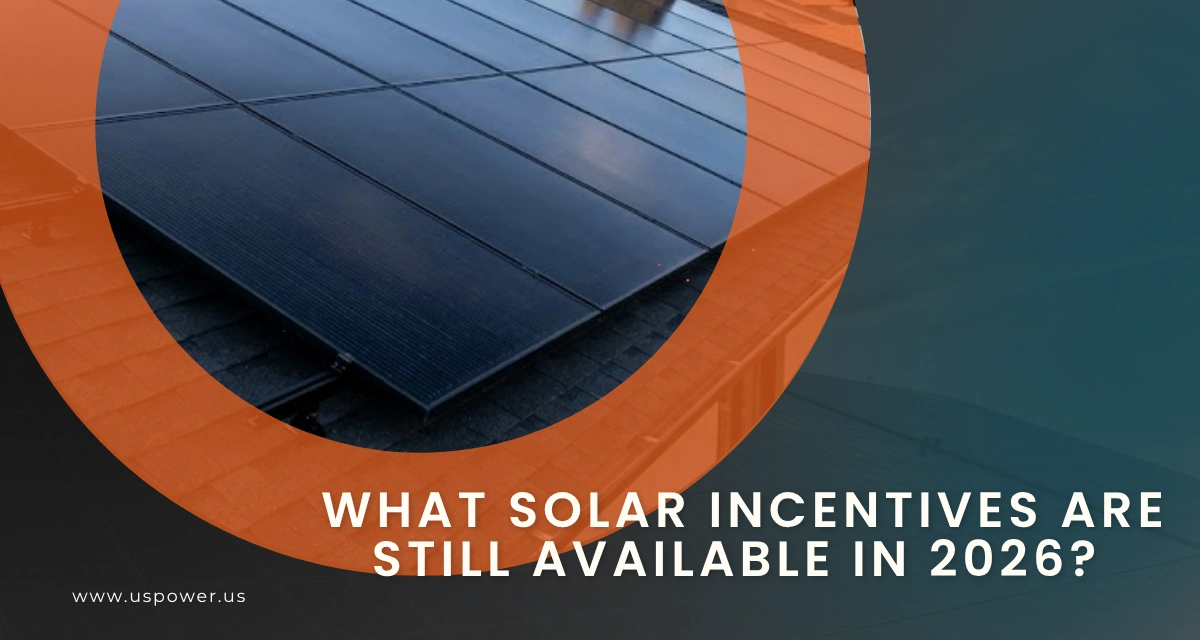
The federal solar credit is gone, but these incentives are very much alive.

The 30% solar credit didn't disappear. It just moved to a different kind of contract.







Copyright © 2026 US Power - Axia by QCells. All Rights Reserved.
Get an instant solar estimate using satellite!