
SGIP can still cover a battery at $0, but only for specific homeowners. Here's who actually qualifies in 2026 and how long the wait really takes.
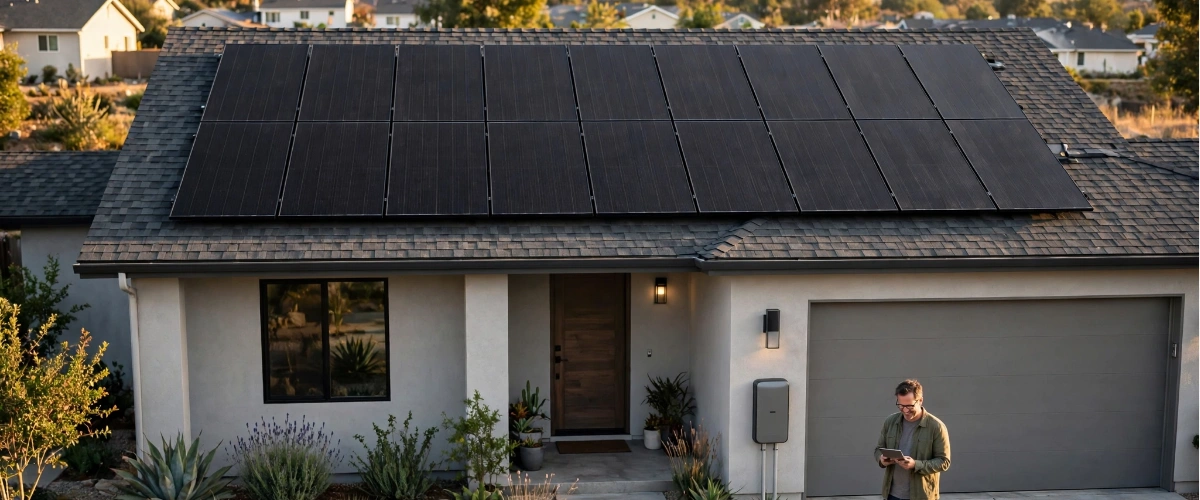
Only the RSSE income-qualified budget remains open, and it currently operates on a waitlist. The General Market, Equity, and Equity Resiliency budgets are all closed, so check your eligibility early.
You have probably seen the posts. A homeowner gets 15 solar panels and a Tesla Powerwall installed for $0 out of pocket through a state program most people have never heard of. It sounds too good to be true, and in a lot of cases in 2026, it partly is.
The Self-Generation Incentive Program (SGIP) still exists. But eligibility is narrower than ever, and the wait can stretch close to a year. Here is what actually determines whether you qualify, and what to expect if you apply.
Stories like the one above are real. One California homeowner shared online that they applied for SGIP, waited nearly a year, and eventually got approval covering both panels and a battery at no upfront cost. Their advice to other homeowners: read the approval contract carefully and do not start installation until the state confirms your funding is reserved.
That last part matters. Reputable installers wait for written program approval before breaking ground. If a company wants to install first and "sort out the paperwork later," treat that as a warning sign, not a shortcut.
Here is the part the viral posts usually leave out. As of 2026, SGIP's General Market, Equity, and Equity Resiliency budgets are closed to new applicants statewide. The only pathway still accepting new applications is the Residential Solar and Storage Equity (RSSE) budget, and it is reserved to capacity with a waitlist.
That does not mean SGIP is dead. It means the program has narrowed to a specific group of homeowners, and knowing whether you fall into that group is the whole ballgame before you apply.
If you want the full breakdown of what SGIP covers and how the rebate math works, what SGIP actually covers is worth a read first. This section focuses specifically on who qualifies.
The active RSSE budget is built around household income. In most cases, your household must fall under roughly 80% of the Area Median Income (AMI) for your county, which varies depending on where you live and how many people are in your household.
This income ceiling rules out a large share of dual income working households, even ones that feel financially stretched. If your household income sits close to the line, a consultant can pull the exact AMI figure for your county and tell you quickly whether it is worth applying.
There is a second path into higher SGIP tiers: living in a high fire risk area, as mapped by the California Public Utilities Commission. If your address falls in a red or orange fire risk zone, you may qualify for additional funding regardless of income, since the program prioritizes backup power for homes most likely to lose electricity during a Public Safety Power Shutoff event.
You do not need proof of fire damage to apply under this pathway. Your address and its fire risk designation are what matter.
The homeowner from the earlier story wasn't exaggerating about the timeline. Applicants commonly wait many months for a decision, and once approved, you typically have one year to complete installation before the reserved funds expire.
The waitlist also moves in both directions. Some applicants get approved and move up the list; others withdraw or get denied, which shifts remaining applicants forward. Checking your position periodically gives you a realistic sense of where you stand instead of guessing.
It helps to think of the SGIP waitlist less like a line at a store and more like a rolling pool of funding. New money gets added to the RSSE budget periodically, and each addition moves a batch of applicants from waitlisted to approved. That is part of why timelines are hard to predict precisely, even for installers who submit applications regularly.
Your solar and battery installer typically submits and manages the SGIP application on your behalf, since the process requires documentation most homeowners aren't set up to track alone. Ask any installer directly how many SGIP applications they have submitted and how many were approved, not just how many they have "in progress."
US Power's CSLB-licensed consultants have submitted SGIP applications for homeowners across Southern California, including those pursuing the RSSE income qualified pathway and the fire zone bonus pathway. That hands-on experience means a faster, more accurate application and fewer surprises once your funding is reserved.
US Power pairs every SGIP eligible battery installation with factory-direct Qcells solar equipment and a 25-year comprehensive warranty, so your household gets protected coverage whether or not the state rebate applies to the full system.
SGIP is not the only way to lower the cost of going solar. US Power's flexible financing options, factory-direct pricing, and other incentives still available in 2026 can meaningfully reduce your upfront cost even without the state rebate. If you already have solar and are only considering adding a battery to an existing system, it is worth asking whether that qualifies you for a narrower, faster SGIP pathway than a full new installation.
For many households, the honest answer is that a home battery is worth it even without the rebate, especially with rising utility rates and more frequent outages.
The cautionary side of this story matters just as much as the success stories. Some homeowners have been told a battery installation was "fully covered" by SGIP, only to receive a large bill after the fact because funding was never actually approved. Before any work begins, ask your installer for written confirmation from the state or your utility that your SGIP funds are reserved, not just an estimate of what you might receive.
Reviewing solar installer red flags before signing anything is one of the simplest ways to avoid this exact situation.
If you do get approved and installed, one small setting change makes a real difference. Under NEM 3.0, exporting extra solar power to the grid pays very little, so most homeowners save more by setting their battery app to self-powered rather than time-of-use. That way, the battery kicks in once the sun goes down instead of sending your extra energy to the grid for pennies. Learn more about how to set your battery to self-powered under NEM 3.0 before you finalize your settings.
It also pays to check your monitoring app regularly once your system is live. Reviewing real solar and battery production data from other California homeowners can help you spot whether your own system's output looks normal for your size and location.
SGIP can still mean a $0 battery for the right household, but "the right household" is a narrower group than most viral posts suggest. The fastest way to know where you stand is a free eligibility check with a licensed consultant who applies for these programs every week.


Before you sign a solar lease or buy, know what the contract really commits you to.

Avoid solar fraud and protect your energy investment in Southern California.
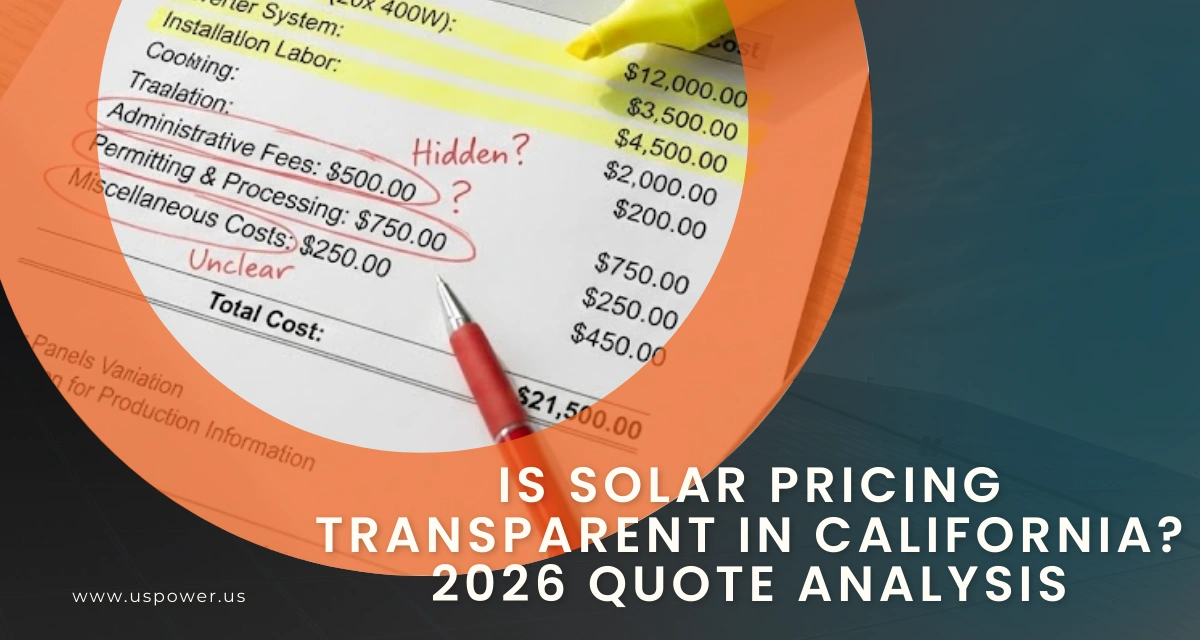
Three quotes. Same house. $15,000 difference. No explanation why. You should worry.







Copyright © 2026 US Power - Axia by QCells. All Rights Reserved.
Get an instant solar estimate using satellite!