

NEM 3.0 changed the rules. Here's what still makes solar worth it.
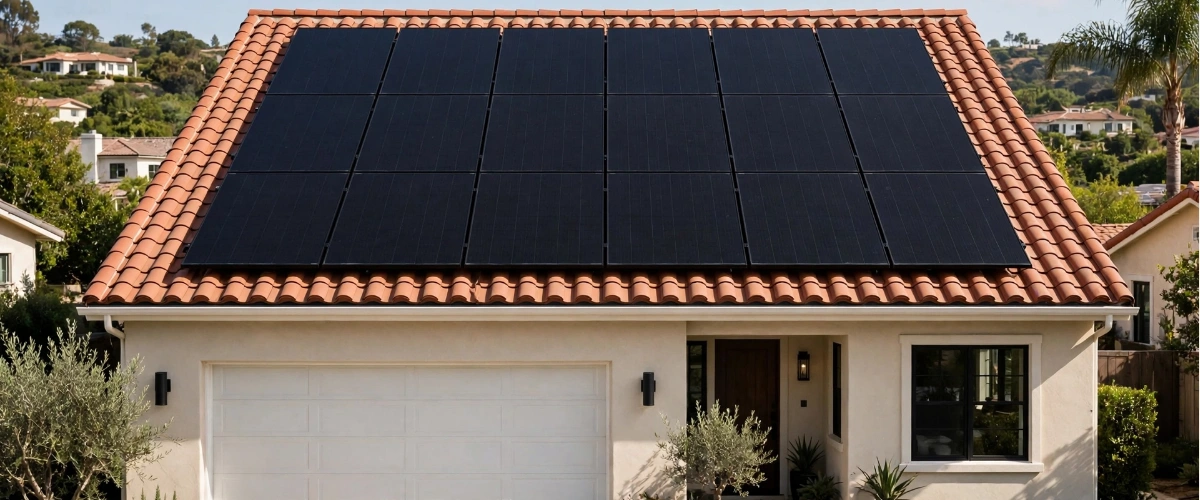
California's shift to NEM 3.0 changed how rooftop solar owners are credited for the energy they send back to the grid, and the policy has now been in effect long enough to show its real impact on homeowner savings. This guide covers what NEM 3.0 actually changed, how homeowners are adapting, and what it means if you are considering solar now.
Under California's earlier net metering framework, homeowners received close to full retail credit for excess solar energy exported to the grid. NEM 3.0, formally called the Net Billing Tariff, reduced those export credits substantially, aligning compensation more closely with the wholesale value utilities place on that exported power rather than the retail rate homeowners pay.
The California Public Utilities Commission designed NEM 3.0 to reflect what regulators viewed as a more accurate accounting of the actual value solar exports provide to the grid, rather than the more generous credit structure used previously. The policy has faced legal challenges from environmental and solar industry groups, but the underlying framework has remained in place.
The clearest shift under NEM 3.0 has been the rise of battery storage as a core part of most new solar installations. Instead of exporting excess daytime production for reduced credits, homeowners now store that energy and use it during evening peak hours, when grid electricity is most expensive.
Solar installers have adjusted how they size and design systems under NEM 3.0, focusing more on matching production to a household's actual consumption pattern rather than maximizing total output for export. This shift means properly sizing your system to your real usage matters more now than it did under the previous net metering framework.
NEM 3.0 reduced one specific source of solar value, export credits, without eliminating the primary source, avoided utility costs on the electricity you use directly or store for later use. For most California homeowners, avoided costs still make up the majority of solar's financial value, which is why solar remains worthwhile even under the reduced export structure.
Homeowners who interconnect under the current Net Billing Tariff structure lock in their export rate treatment for a fixed period under current rules, providing a degree of predictability that helps with long-term financial planning even as broader utility rates continue climbing.
Adding a battery after the fact is possible, but designing your system with storage included from the start generally produces better results and can simplify permitting. If you are exploring incentives, the SGIP battery rebate program remains one of the more meaningful ways to offset that storage cost.
With export credits reduced, the price you pay for your system upfront carries more weight in your overall savings picture. Factory-direct Qcells pricing keeps equipment costs 15 to 20 percent below typical market rates, which helps offset the reduced export value.
US Power's CSLB-licensed consultants design every system around your actual usage pattern and current NEM 3.0 rules, rather than reusing outdated assumptions from the previous net metering framework.
With factory-direct Qcells pricing and a 25-year comprehensive warranty covering panels, workmanship, and performance, US Power helps homeowners get the most value out of every system under today's rules, not yesterday's.
NEM 3.0 changed the specific mechanics of how rooftop solar is credited in California, but it did not change the fundamental case for going solar. Homeowners who design their system around self-consumption and battery storage, backed by factory-direct pricing, continue to see substantial savings under the current framework.


Discover why US Power homeowners prefer QCells for long-lasting solar energy.
SGIP can still mean a $0 battery for the right household, see who qualifies.
Efficiency, warranty, and manufacturing stack up so you can choose with confidence.








Copyright © 2026 US Power - Axia by QCells. All Rights Reserved.
Get an instant solar estimate using satellite!