

If you already have solar panels, you've probably noticed the sales pitches have changed. It used to be all about panels. Now it's batteries — and the knock at the door isn't slowing down.
If you already have solar panels, you've probably noticed the sales pitches have changed. It used to be all about panels. Now it's batteries — and the knock at the door isn't slowing down.
The questions homeowners are asking are completely fair: What does a battery actually cost? Who would own it? And do I even need one if my panels already cut my bill?
The answer depends on something most door-to-door reps won't explain: California's billing rules changed in 2023, and that shift made batteries far more valuable for most solar homeowners. Here's what you need to know before signing anything.
For solar owners, this used to feel like a non-issue. You had panels, your bill was low, and the utility gave you credit for every kilowatt-hour you sent back to the grid. Simple enough.
But that billing model changed — and batteries suddenly became part of a very different financial conversation.
Under NEM 2.0, homeowners received near-retail credits for energy exported to the grid. Send power out during the day, use it at night, and effectively zero out your bill. Batteries weren't necessary to make solar pencil out. NEM 2.0 was a strong deal for California solar owners, one that many are still grandfathered into today.
If you went solar after April 2023, you're on NEM 3.0, which slashed export credits by roughly 75%. That means excess solar energy you send to SCE or PG&E during the day is now worth a fraction of what you'll pay to buy it back at night.
Understanding exactly how NEM 3.0 changes your solar savings is the key to deciding whether a battery makes financial sense for your home. If you want to go deeper on how solar billing actually works now, this guide to California solar billing is a good starting point.
This is where homeowners get tripped up — and where large companies have made a lot of money. When a sales rep shows up at your door pitching a battery, they're often offering a lease, not a purchase. The fine print matters enormously.
In a battery lease arrangement, you pay a monthly fee to use a battery that the company retains ownership of. They may access it remotely, prioritize grid services over your backup needs, and remove it if you miss payments. You don't build equity. You don't own an asset.
When you purchase a battery outright, you own it. You decide when it charges, what it powers, and how it integrates with your existing solar system. After the payback period, every dollar saved is pure return on your investment.
Why owning your solar system wins every time and the same principle applies to the battery sitting beside it.
Always ask before signing: "Will I own this battery, or is this a lease?" If the answer isn't a clear yes, keep asking.
This is the number most salespeople dance around. Let's be direct.
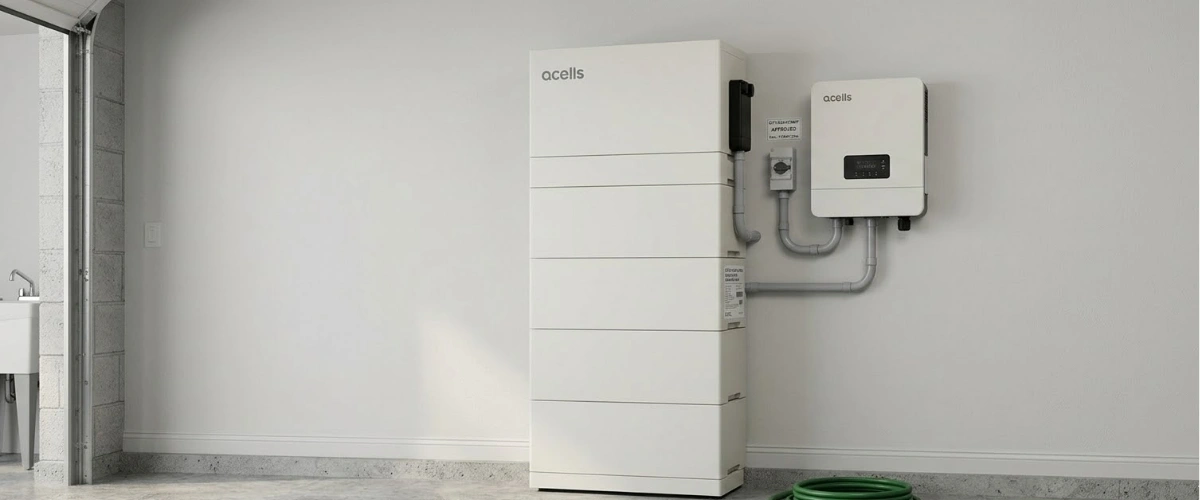
As of early 2026, a standard home battery installation in California — including the unit, labor, and permits — typically runs between $11,000 and $16,500 before incentives. The most popular option, a Tesla Powerwall 3 (13.5 kWh), falls in that range. Other brands like Enphase and FranklinWH are priced similarly.
A full solar-plus-battery system can run $38,000 or more depending on system size but that's before local incentives, ask an energy consultant. A full solar panel cost analysis gives solid benchmarks, and these 5 hidden costs that affect California solar savings are worth knowing before you sign.
In most cases, no. If your existing solar system already generates more energy than your home uses during the day, a battery simply stores that surplus instead of sending it to the grid. This comparison of expanding panels vs. adding a battery can help you figure out the smarter move for your specific setup.
Homeowners often imagine a battery as a whole-house generator. The reality is more nuanced — and still highly useful.
A single 13.5 kWh battery can typically power your refrigerator, lights, outlets, and Wi-Fi for roughly 12 hours — longer if you're conservative with usage. It won't run central air conditioning for an extended outage without a second unit.
Knowing exactly how long a solar battery can power your home helps you plan the right system size from the start. For homeowners weighing all their options, this guide comparing backup power options breaks down batteries vs. generators and other alternatives.
SoCal homeowners in high fire-threat districts know that outages aren't just an inconvenience, it can last days. Solar and battery systems protect California homes during grid failures is increasingly relevant for anyone in a Tier 2 or Tier 3 fire zone. Wildfire resilience lessons from SDG&E make a compelling case for backup storage beyond simple bill savings.
With the 30% federal tax credit no longer available after December 31, 2025, California homeowners now lean heavily on state and local programs. The most important one is SGIP.
The Self-Generation Incentive Program, administered by the CPUC, provides cash rebates for homeowners who install battery storage. For most California homeowners on standard rates, the rebate covers roughly 15–25% of installation costs — typically $1,500–$2,500 for a 13.5 kWh battery.
Higher rebates — up to $850–$1,000 per kWh — are available for high fire-threat districts, low-income customers, and those with two or more PSPS events. California SGIP battery rebates can dramatically reduce or even eliminate upfront costs in those cases. Get the latest numbers in the 2025 SGIP rebate guide.
SGIP funding varies by utility territory and budget tier — some programs have waitlists, others remain open. The key is applying promptly through an approved installer. It's also worth knowing that solar remains worth it in 2026 even without the federal tax credit — state programs like SGIP help fill the gap considerably.
When a company invests in door-to-door sales teams, that overhead gets built into your price. The deal you're offered at your front door is rarely the best one on the market.
While some national solar "aggregators" rely on call centers and satellite imagery, US Power believes in a boots-on-the-ground approach. When a consultant visits your home, they aren't just there to "sell"—they are there to perform a vital physical audit that software often misses.
A door-to-door visit from a reputable, local company ensures:
A "pro" solar company—like those of us serving California will always:
US Power is California's exclusive QCells partner, offering factory-direct pricing that typically runs 15–20% below market rates. Going factory-direct with QCells means real savings that most installers simply can't match. Their American-made QCells panels come backed by a 25-year comprehensive warranty .
Their installation timeline — typically 3–4 weeks from approval to Permission to Operate — is faster than most competitors.
Batteries aren't right for every homeowner. But for Californians on NEM 3.0, in wildfire-prone areas, or simply tired of watching their utility bill climb despite having solar panels, a battery is worth a serious look in 2026.
The key is getting the right information from the right people — not from someone who knocked on your door with a lease agreement already printed. Is solar alone enough, or does adding a battery actually make sense for your home? That question deserves an honest answer from someone who's reviewed your actual bill and setup.
US Power offers free consultations, factory-direct QCells pricing, and licensed consultants who will give you a straight answer before you commit to anything. When you're ready, here are 3 things to do before your solar consultation to get the most out of the conversation.


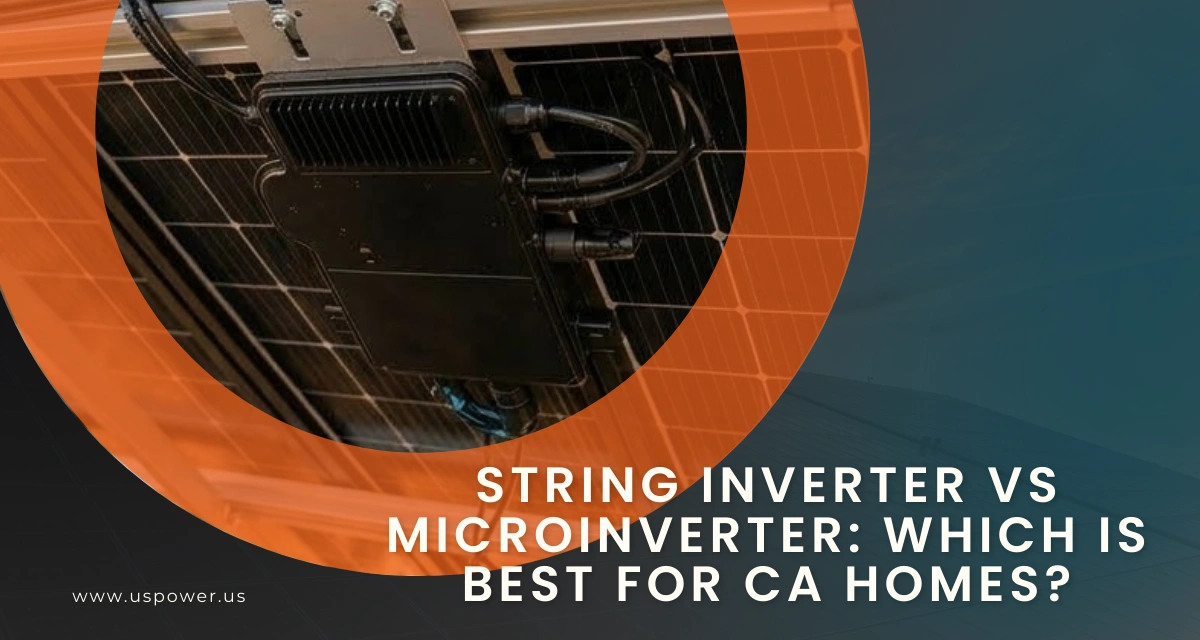
The inverter you choose could cost you or save you thousands in California.

Efficient solar pool heaters extend swim seasons while lowering energy expenses.

See what Tier 1 status really means before you trust the brand on your quote.








Copyright © 2026 US Power - Axia by QCells. All Rights Reserved.
Get an instant solar estimate using satellite!