

Florida homeowners often assume solar panels will spike their insurance bill, but reality is calmer. Carriers typically add a modest dwelling coverage adjustment for the system's rebuild value, and any increase depends more on your installer's licensing and warranty documentation than on the panels themselves. This guide breaks down how insurers price a solar home, why Florida's tight insurance market makes shopping carriers worth it, and the paperwork that keeps your policy accurate.
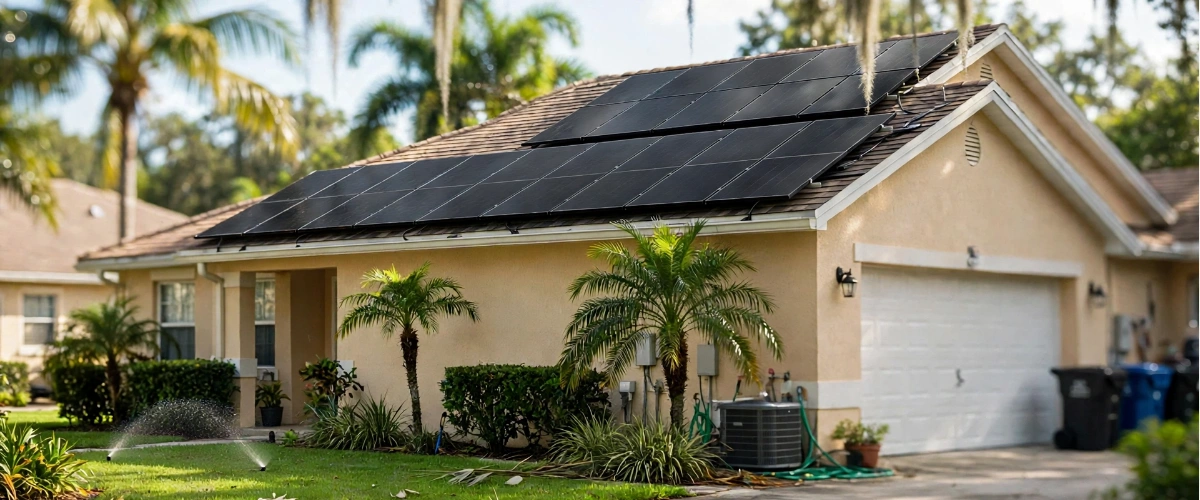
Not always, and rarely by much. Most carriers add a modest dwelling coverage adjustment for the system's rebuild value. Shopping carriers and keeping installer licensing and warranty paperwork on hand helps keep your policy accurate.
If you are pricing out a solar system in Florida, you have probably heard a neighbor swear that going solar tripled their insurance bill. The truth is far less dramatic, and far more useful to know before you sign anything. Florida's insurance market is already tight, so it makes sense to want a straight answer instead of a rumor. This guide walks through what actually happens to your premium when panels go on your roof, why insurers look at solar the way they do, and the specific steps that keep your policy accurate and your rate as low as it should be.
Search "solar panels insurance rates Florida" and you will find wildly different answers, from "no change at all" to "expect a huge spike." Neither extreme is the full picture.
The confusion usually comes from homeowners who saw their premium rise after a solar install and assumed the panels caused it. In most cases, the real driver was a statewide rate increase, a roof age reclassification, or a coverage gap that had nothing to do with solar. Florida's property insurance market has raised rates broadly in recent years, so timing alone makes it easy to blame the newest thing on the roof.
Carriers care about three things when a solar system enters the picture: how much the system adds to your home's rebuild cost, who installed it, and whether it changes your roof's risk profile. None of those three factors automatically means a higher bill, but each one needs to be reported correctly.
Understanding the mechanics behind your premium removes most of the guesswork homeowners bring to this question.
A rooftop solar system is a permanent fixture, so it typically gets added to your dwelling coverage limit the same way a kitchen remodel or a new roof would. That adjustment reflects a higher rebuild cost, not a judgment that solar is risky. Most homeowners see a modest premium increase tied directly to that added coverage value, often smaller than expected once you know what it is actually paying for.
Underwriters ask who installed the system and whether it carries a manufacturer and workmanship warranty, because a poorly mounted array is what actually raises risk. A system installed by a licensed contractor with documented wind and attachment ratings reads as a lower liability exposure than a DIY or uncertified job. This is the single biggest factor separating a smooth renewal from an unexpected rate hike.
Florida homeowners already deal with a shrinking pool of private carriers and a heavier reliance on Citizens Property Insurance, so any change to a policy gets extra scrutiny. That is a market-wide condition affecting every Florida homeowner, solar or not, and it means shopping carriers proactively matters more here than in most states. Many Florida carriers also require a wind mitigation inspection at renewal regardless of whether you have solar, and a properly engineered mounting system tends to score well on that inspection rather than count against you.
Homeowners sometimes assume solar adds a new liability exposure, like a swimming pool would, but panels mounted to code carry a low third-party risk profile. If you already carry umbrella liability coverage for other reasons, it typically extends to cover the solar system without a separate rider. Ask your agent to confirm this in writing rather than assuming it, since coverage language varies by carrier.
A few concrete steps keep your coverage accurate and prevent surprises at claim time or renewal.
Notify your carrier once your system is installed so your dwelling limit reflects the added value. Skipping this step risks being underinsured if you ever need to file a claim covering the full replacement cost of your home and system together.
Some carriers prefer to schedule solar equipment as a separate rider with its own coverage limit, similar to how a jewelry or fine art rider works. Ask your agent directly whether your policy handles solar through the base dwelling limit or a separate schedule, since the answer changes what documentation you need to keep.
Not every Florida carrier prices solar homes the same way, and some have more experience underwriting them than others. A quick call to two or three carriers before your installation finishes can surface meaningful differences in how they treat the added dwelling value, so it is worth comparing quotes rather than assuming your current policy is already the best fit. Vetting your solar contractor before signing matters just as much here, since your insurer will ask about the installer's licensing and warranty terms during underwriting.
The installer you choose has more influence on your insurance experience than most homeowners realize going in.
Every US Power system is installed by CSLB-licensed consultants using engineered mounting that meets local wind code, the exact documentation an underwriter wants to see. Properly sealed installations that don't cause roof leaks also remove one of the more common reasons a solar-related claim gets denied or delayed.
A 25-year comprehensive warranty covering panels, workmanship, and performance means most equipment issues get resolved without ever touching your homeowners policy. Installations that keep your existing roof warranty intact also reduce the chance of a dispute between your roofer, your solar installer, and your insurer over who is responsible for a leak.
Insurance questions do not disappear once the system is installed. They resurface anytime the home changes hands.
If you are purchasing a home with solar already on the roof, expect your new insurer to request the same documentation the original owner needed: installer licensing, permit records, and warranty transfer paperwork. Buying a house with solar panels already installed comes with fewer surprises when that paperwork is complete and organized before closing.
A clean paper trail protects both the new owner's insurance rate and the resale value of the home itself, since solar panels increasing a home's resale value depends partly on buyers trusting the system was installed and insured correctly from day one. Homeowners association rules can complicate this further, and knowing your HOA cannot simply block solar is worth understanding before either buying or selling a solar-equipped property.
Solar rarely raises a Florida insurance bill the way rumor suggests, and when a premium does move, it is almost always a small adjustment tied to added dwelling value rather than a penalty for going solar. The bigger risk is skipping the paperwork that keeps your policy accurate. A factory-direct Qcells system installed by CSLB-licensed consultants gives your insurer exactly the documentation they want to see, and a quick call to your carrier after installation closes the loop. If you are ready to see what a properly documented, insurer-friendly system costs for your home, get a free consultation and talk to a consultant who can walk you through the process before you sign anything.



Thousands of California homeowners are losing $10,000-$15,000 in solar tax credits.
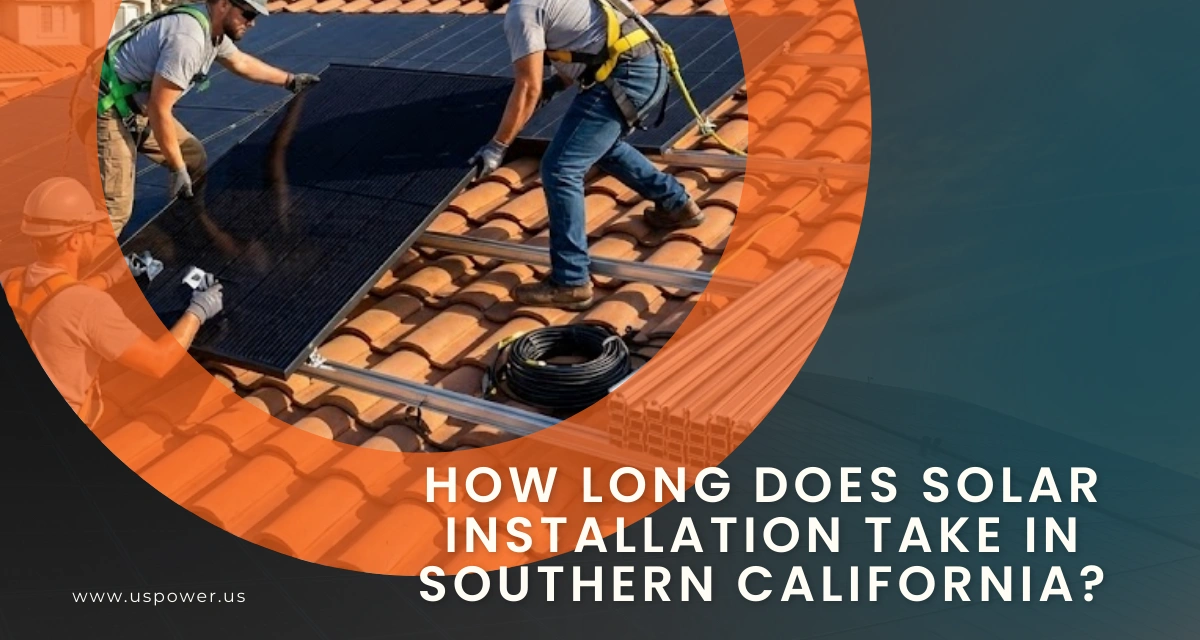
"Three weeks later, I was generating my own power. My neighbor? Still waiting."
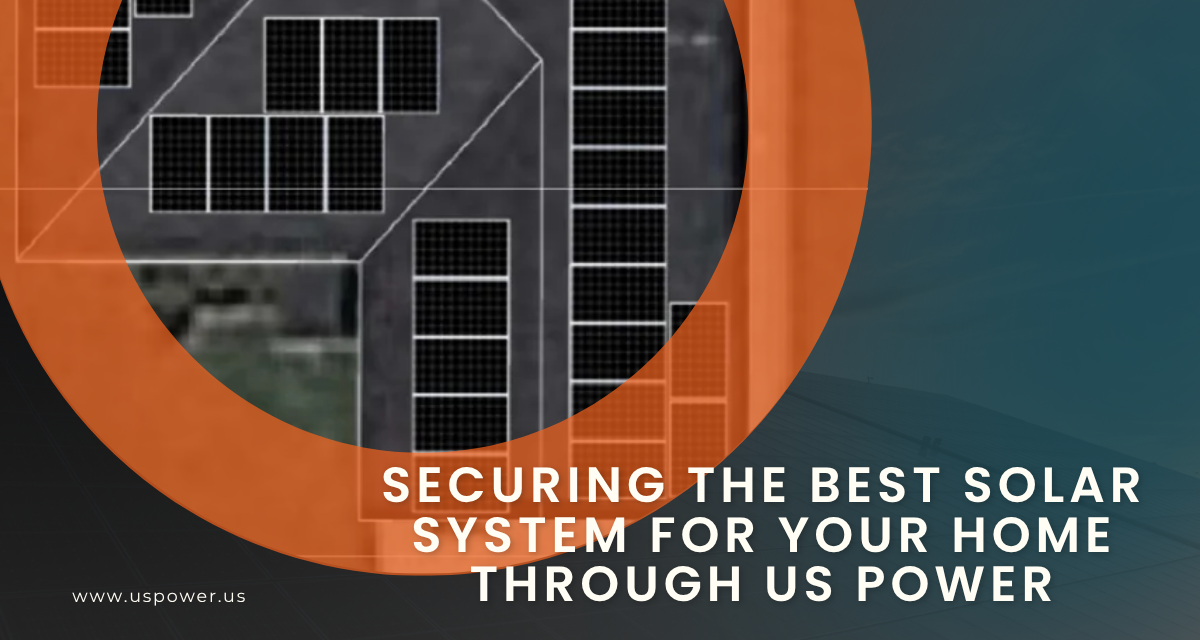
Go solar the right way! Install Qcells panels hassle-free through US Power.








Copyright © 2026 US Power - Axia by QCells. All Rights Reserved.
Get an instant solar estimate using satellite!