

Los presupuestos solares en California pueden variar drásticamente, a veces hasta $20,000 o más por un sistema del mismo tamaño. Aquí le explicamos qué causa estas diferencias y cómo protegerse.
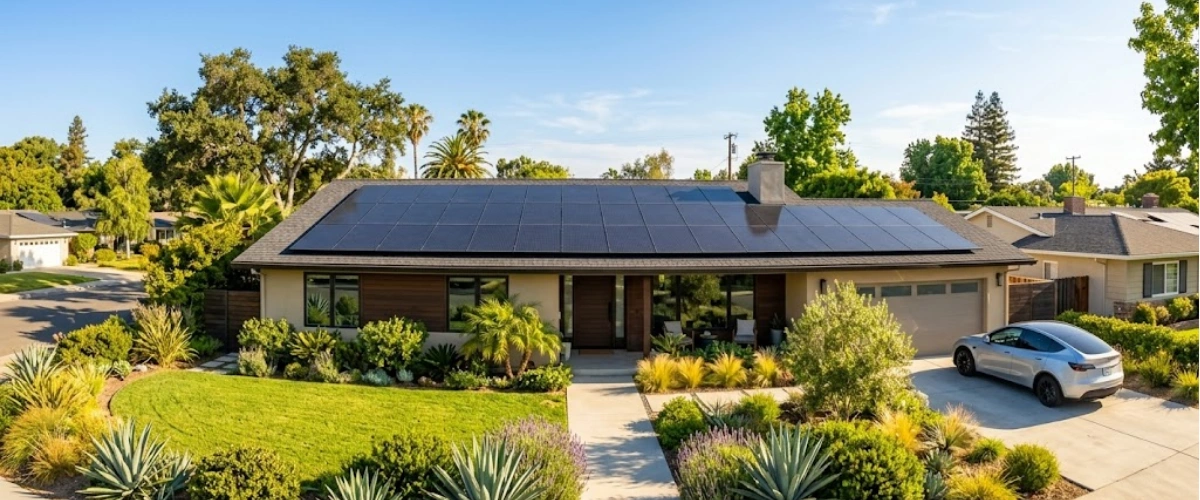
Los presupuestos de energía solar en California pueden variar hasta $20,000 o más para un sistema del mismo tamaño. Esta guía explica qué factores provocan esas diferencias y cómo protegerse al comparar instaladores.
Un propietario en California compartió recientemente su experiencia en línea: una empresa le cotizó $90,000 por un sistema de paneles solares con batería. Otra empresa le cotizó $75,000 por una instalación más grande y capaz. La misma casa. Cifras completamente diferentes.
Esto no es inusual. Los presupuestos de energía solar en California pueden variar entre $15,000 y $30,000 para sistemas similares, y la mayoría de los propietarios no sabe por qué. Con las tarifas de SCE aumentando casi un 13% desde finales de 2025 y las de PG&E duplicándose en la última década, pasarse a la energía solar es una de las decisiones financieras más inteligentes que puede tomar ahora mismo. Pero solo si no paga de más.
Esta guía detalla qué influye en los precios de la energía solar en 2026, cómo es un presupuesto justo y cómo protegerse de propuestas infladas.
Southern California Edison implementó un aumento de tarifas de aproximadamente el 13% a finales de 2025. Para un hogar que consume 500 kWh al mes, eso significó que las facturas mensuales pasaron de $171 a más de $193, y eso antes de los picos de verano. La tarifa residencial promedio de SCE se sitúa ahora en aproximadamente $0.353 por kWh, una de las más altas del país.
La situación de PG&E es aún más llamativa. Las tarifas se han más que duplicado en la última década, aumentando más del 100% desde 2015. El motivo no es el despilfarro, sino la mitigación de incendios forestales, el fortalecimiento de la red y las mejoras de infraestructura que los reguladores exigen que las empresas de servicios públicos trasladen directamente a los clientes.
Un aumento del 6% en una factura de $100 son $6. Un aumento del 6% en una factura de $250 son $15. Esa es la realidad matemática con la que viven hoy los propietarios en California: cada nuevo incremento se suma a una base ya elevada, haciendo que cada subida sea más dolorosa que la anterior.
La trayectoria a largo plazo es clara. La razón por la que las facturas de electricidad son tan altas en el sur de California se debe a costos estructurales que no desaparecerán, lo que significa que la urgencia de tomar el control de su factura de energía nunca ha sido mayor.
No todos los paneles solares son iguales, ni tampoco las empresas que los instalan. Un presupuesto puede parecer barato porque utiliza paneles de marcas desconocidas con garantías más cortas, índices de eficiencia más bajos o componentes que rinden menos bajo el calor de California. Un presupuesto más alto podría incluir paneles fabricados en EE. UU. respaldados por una garantía integral de 25 años, lo cual es un producto muy diferente.
Entender por qué algunos presupuestos de energía solar cuestan más que otros en California empieza por la categoría del equipo. Los paneles de alta gama de marcas como QCells, fabricados en EE. UU. y con una garantía de rendimiento de 25 años, tienen un costo inicial más elevado, pero generan más ahorros a largo plazo y presentan un riesgo mucho menor de fallos a mitad de su vida útil.
Las grandes empresas solares nacionales suelen tener equipos de ventas agresivos que van puerta a puerta con estructuras de altas comisiones. Esas comisiones se incluyen en su presupuesto, lo que a veces añade entre 5,000 y 10,000 dólares al precio final sin aportar ningún valor al sistema en sí.
Las empresas locales más pequeñas, con menores gastos generales, relaciones de precios directas de fábrica y consultores internos autorizados, pueden ofrecer el mismo equipo o uno mejor a un precio entre un 15 y un 20% por debajo de las tarifas del mercado.
Las instalaciones en múltiples estructuras, los techos sin acceso al ático, los recorridos largos de conductos y la orientación de los paneles afectan legítimamente al precio. Una instalación en un granero y una casa con paneles en diferentes caras del techo y conductos subterráneos costará más que un simple techo orientado al sur en una sola estructura, y con razón. Lo importante es que entienda exactamente por qué está pagando y cuál es el motivo.
Para una casa típica de California que necesita un sistema de 7 a 10 kW, un rango de precio justo en 2026 se sitúa entre los 18,000 y los 30,000 dólares antes de cualquier incentivo estatal o local. Los sistemas más grandes con almacenamiento en baterías, como un sistema de 12 a 15 kW combinado con una batería doméstica, costarán entre 30,000 y 50,000 dólares, dependiendo de la capacidad de la batería y la complejidad.
Si recibe un presupuesto significativamente superior a esos rangos, vale la pena preguntar específicamente qué es lo que justifica ese sobreprecio. Los factores de costo legítimos incluyen paneles de alta eficiencia, garantías integrales, situaciones complejas en el techo e integración de baterías. Los factores de costo inflados incluyen comisiones de venta excesivas y ventas adicionales innecesarias.
Saber cómo comparar presupuestos solares en California significa mirar más allá del precio final: evaluar qué incluye el sistema, quién lo instala y qué protecciones tiene una vez finalizada la instalación.
Una propuesta solar justa siempre debe especificar claramente: la marca y el modelo del panel, el tipo de inversor, los términos de la garantía (por separado para el equipo, la mano de obra y el rendimiento), el cronograma de instalación y el costo total sin cargos ocultos. Revise los 5 elementos esenciales que todo presupuesto solar debe incluir antes de firmar nada.
Si a un presupuesto le falta alguno de estos elementos, es una señal de alerta, no una razón para confiar más en la empresa porque "lo mantuvieron simple".
Tenga cuidado con las tácticas de alta presión, las descripciones vagas de los equipos y los presupuestos que bajan drásticamente en el momento en que usted duda. Estas son señales clásicas de una empresa orientada a las ventas en lugar de a un instalador orientado a la calidad. Conocer las 5 señales de alerta al elegir una empresa solar en California puede ahorrarle decenas de miles de dólares.
La política de Medición de Energía Neta 3.0 de California cambió significativamente la economía de la energía solar. Los créditos por exportación (lo que usted gana cuando envía el exceso de energía a la red) ahora se basan en el tiempo y no en una tarifa plana. Esto significa que la misma cantidad de energía solar exportada le genera mucho menos de lo que solía, a menos que la exporte durante las horas pico (de 4 a 9 p. m.).
Una batería doméstica cambia esta ecuación por completo. En lugar de exportar energía barata a mitad del día con tarifas de crédito bajas, usted la almacena y la utiliza durante la costosa ventana de horas pico de la tarde. Es por esto que las baterías valen la pena para la energía solar en California de una manera que no lo hacían antes de 2023.
Una batería doméstica de calidad añade entre 10.000 y 15.000 dólares a una instalación solar, dependiendo de la capacidad y la marca. Para la mayoría de los propietarios en California, el periodo de recuperación de la inversión en una batería bajo NEM 3.0 es de 5 a 7 años, más rápido que con las antiguas normas de medición neta, precisamente porque el ahorro en las tarifas nocturnas es muy significativo.
US Power es el socio exclusivo de instalación de QCells en California. Esta relación significa que los paneles provienen directamente de fábrica a un precio entre un 15 y un 20% inferior al que pagan la mayoría de los instaladores a sus distribuidores. Ese ahorro se traslada directamente a usted, sin absorberse como margen de beneficio.
Los paneles QCells son de fabricación estadounidense, están clasificados entre los paneles residenciales de mayor eficiencia disponibles y cuentan con una garantía integral de 25 años que cubre los paneles, la mano de obra y el rendimiento. No se trata de tres garantías separadas, sino de una garantía unificada que protege su inversión durante un cuarto de siglo.
La mayoría de las empresas solares de California ofrecen plazos de instalación de 6 a 12 semanas en 2026. US Power realiza la entrega de forma constante en 3 a 4 semanas desde la aprobación hasta la instalación, siendo cuánto tiempo lleva la instalación de paneles solares en California a menudo una de las mayores sorpresas para los nuevos clientes. Cada semana de retraso es otra semana pagando las tarifas eléctricas completas.
Cada consultor de US Power cuenta con licencia CSLB, lo que significa que usted trabaja con un profesional acreditado, no con un vendedor a comisión. No hay tarifas ocultas, ni tácticas de presión, ni costos sorpresa al firmar. Lo que ve en su propuesta es lo que paga.
La calidad de la instalación es tan importante como la calidad del equipo. Pregunte a su instalador específicamente cómo maneja las perforaciones en el techo, qué método de sellado utiliza y si el sistema de montaje es compatible con el material de su techo. Un buen instalador responderá a estas preguntas en detalle y sin dudarlo. Evite los errores comunes de instalación solar que cometen los propietarios en California haciendo las preguntas difíciles desde el principio.
Toda instalación solar legítima en California requiere permisos, aprobación de la empresa eléctrica y una inspección final antes de recibir el Permiso para Operar (PTO). Este proceso añade de 2 a 4 semanas después de la instalación, pero es innegociable y le protege legal y financieramente. Cualquier empresa que sugiera saltarse o apresurar los permisos es una empresa que debe evitar.
El propietario que recibió un presupuesto de 90.000 dólares y encontró una opción mejor de 75.000 dólares por un sistema más grande hizo exactamente lo que todo propietario en California debería hacer: comparar cuidadosamente y hacer preguntas difíciles. La diferencia entre un presupuesto solar justo y uno inflado puede financiar unas vacaciones familiares cada año durante una década.
Con las tarifas de SCE y PG&E aumentando año tras año, el ahorro de la energía solar se acumula con el tiempo; cada subida de tarifas hace que su sistema solar de costo fijo parezca más inteligente. US Power le ofrece el camino más rápido hacia ese ahorro: paneles QCells de fabricación estadounidense, precios directos de fábrica y un plazo de instalación que le permite generar energía antes de que llegue su próxima factura de electricidad.
No pague más de lo necesario, ni por la electricidad ni por la energía solar.


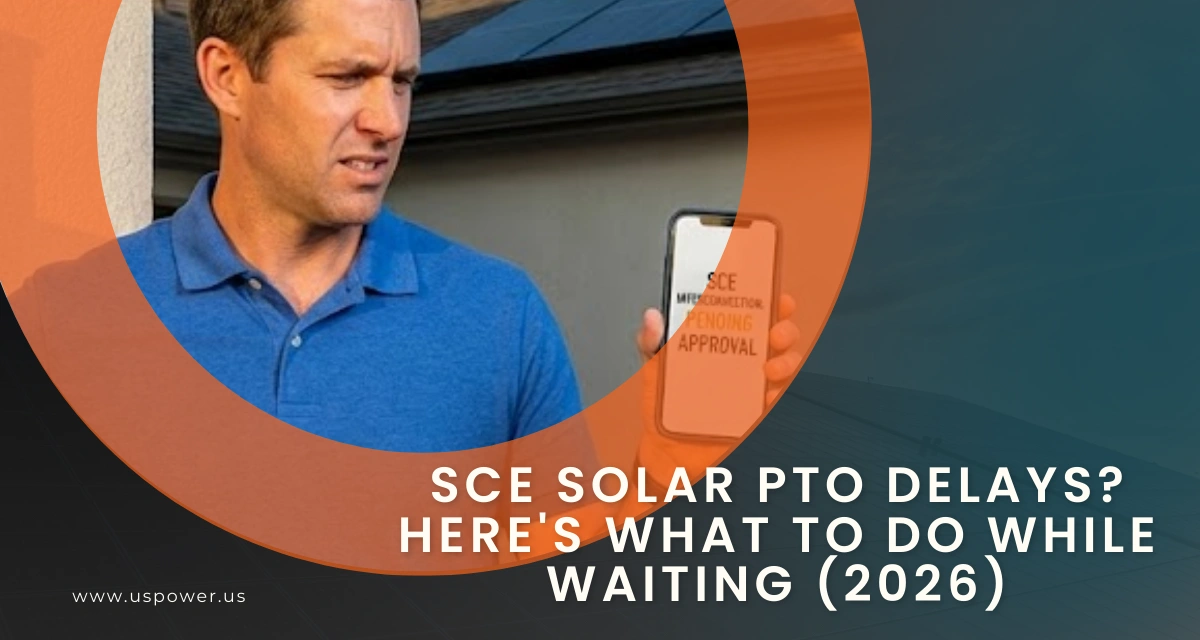
¿SCE rechaza su solicitud solar de nuevo? No está solo; aquí le decimos qué hacer.

Evita líos con permisos e instala paneles solares con confianza. US Power te ayuda.
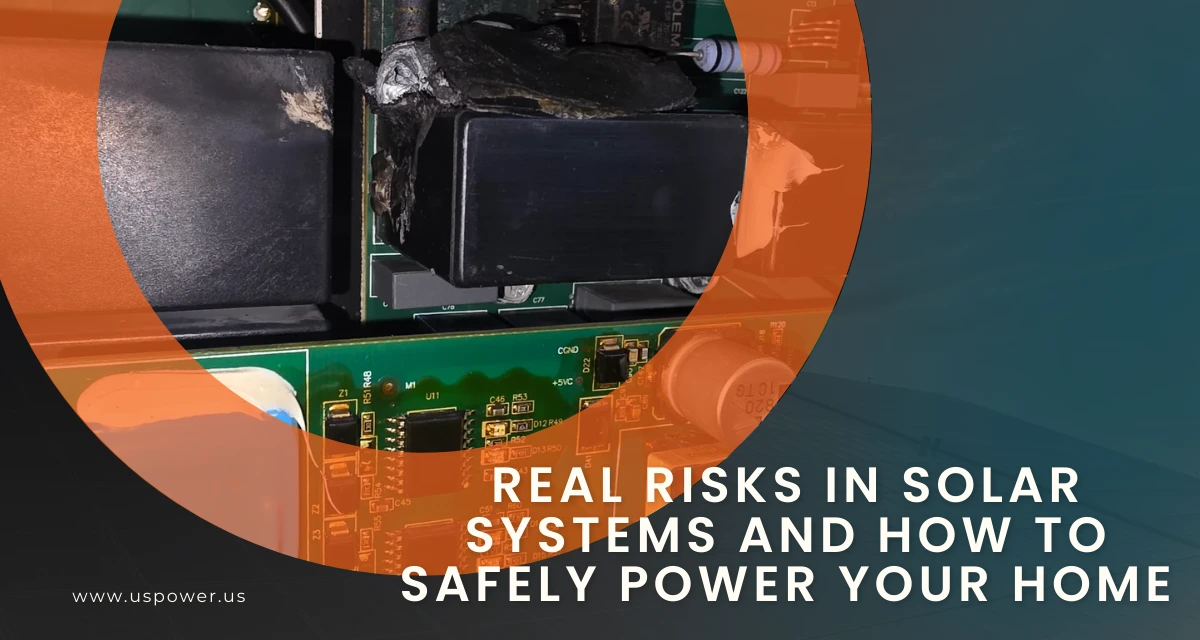
Protege tu hogar con los consejos de US Power. Mantente seguro al usar energía solar.







¿Listo para tomar el control de tu energía? ¡Llámanos hoy!
818-650-8010Licencia de contratista n.º: 1144368

Copyright © 2026 US Power - Axia by QCells. Todos los derechos reservados.
¡Obtenga un presupuesto solar al instante mediante satélite!