

Planning solar in California? Learn the step-by-step solar permit process, costs, and timelines. US Power makes permitting simple and stress-free.
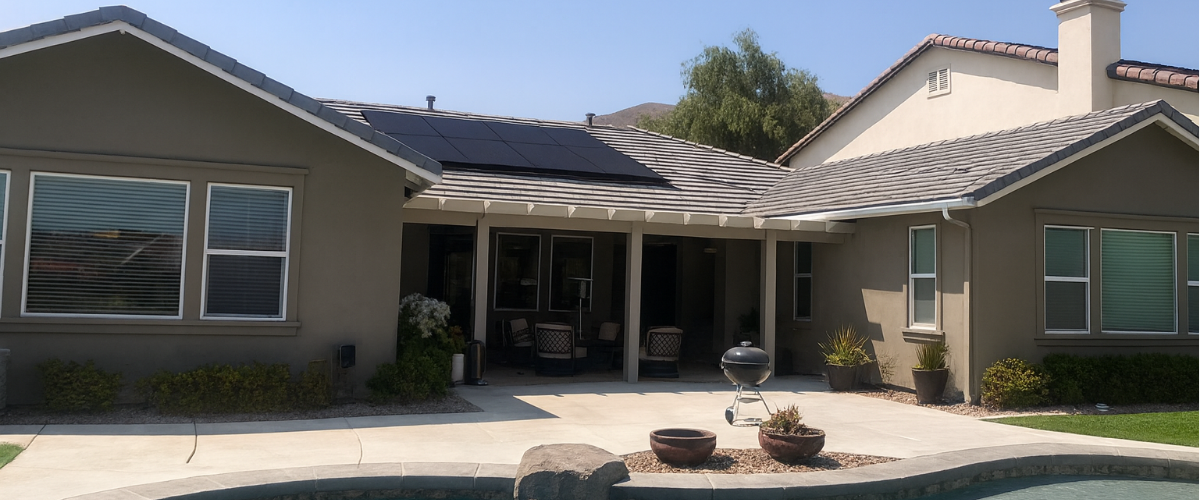
Switching to solar power is one of the smartest investments a California homeowner can make. But before panels go up on your roof, there’s an essential step you can’t skip: securing the proper solar permits.
While this might sound like a headache, the process is straightforward when you know what to expect—and even smoother when working with a trusted installer like US Power. Here’s a complete guide to understanding, applying for, and obtaining your solar permit in California.
A solar permit is an official approval from your local city or county building department that allows you to legally install a solar energy system on your property. Permits ensure your system:
In short, permitting is about protecting both your home and your community while making sure your solar system is safe, effective, and legally compliant.
For residential solar in California, you typically need:
The easiest way to navigate the permit process is to hire a professional. At US Power, we handle permitting paperwork for you—so you don’t have to stand in line at city hall or decipher electrical code.
Your installer prepares detailed documents, which usually include:
These are submitted to your local building department.
City officials review your documents to make sure everything meets code. This step may take anywhere from a few days to a few weeks depending on the jurisdiction.
Once approved, your installer will receive the permit. Only then can installation legally begin.
After installation, the local inspector visits your home to confirm the system matches approved plans and is safe to operate. Once the inspector signs off, you’re ready for utility interconnection.
Timeframes vary by city or county, but generally:
California is working to streamline this process with SolarAPP+, an online platform that allows for faster permit approvals in participating cities.
Permit fees depend on your city and system size. In California, they typically range from $300 to $700 for residential solar. Some cities cap solar permit fees to encourage adoption.
Handling solar permits on your own can be overwhelming—but with US Power, you don’t have to worry. We manage the entire process: from creating professional system designs to submitting permit applications and coordinating inspections. Our team knows the ins and outs of Southern California jurisdictions, which means fewer delays and a smoother path to savings.
Obtaining a solar permit is a crucial step in going solar, but it doesn’t have to be complicated. With expert guidance from US Power, you can be confident your system meets all regulations and is built to last—without the stress of navigating paperwork and approvals.
Ready to go solar without the hassle? Contact US Power today for a free consultation—we’ll handle your permits, installation, and everything in between.


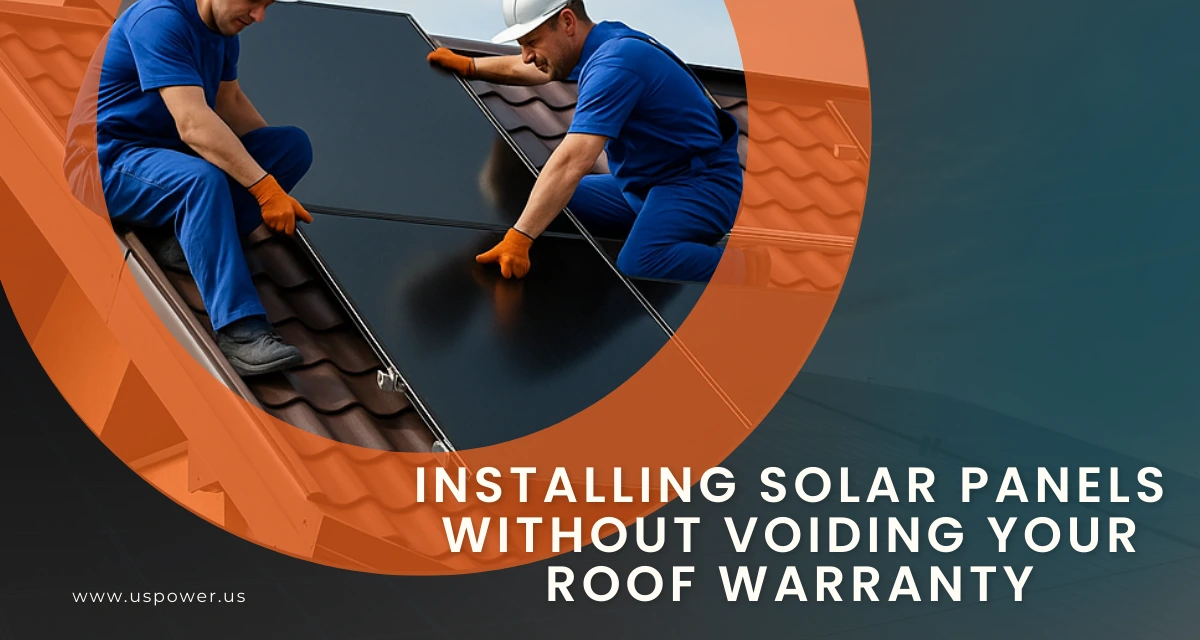
Safeguard your roof warranty during solar installation. Work with US Power!
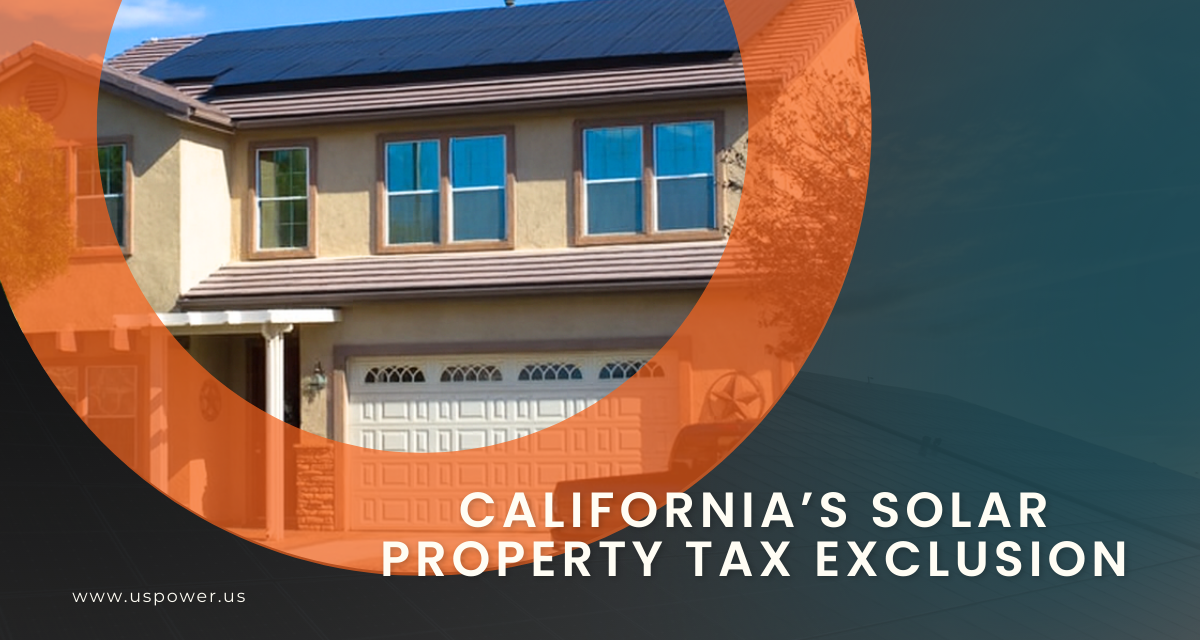
Understand how solar property tax exclusions help California homeowners save.

Getting solar quotes that differ by thousands of dollars? You're not alone.







¿Estás listo para ser dueño de tu poder? ¡Llámenos hoy mismo!
818-650-8010Contractor License #: 1144368

Derechos de autor © 2025 US POWER | Energía solar y techosUS Power - Axia by QCells. All Rights Reserved.
¡Obtenga una estimación solar instantánea usando el satélite!