

Clay and terracotta roofs require a specialized approach to solar installation. Discover how US Power prevents broken tiles, costly repairs, and installation mistakes while maximizing your long-term energy savings.
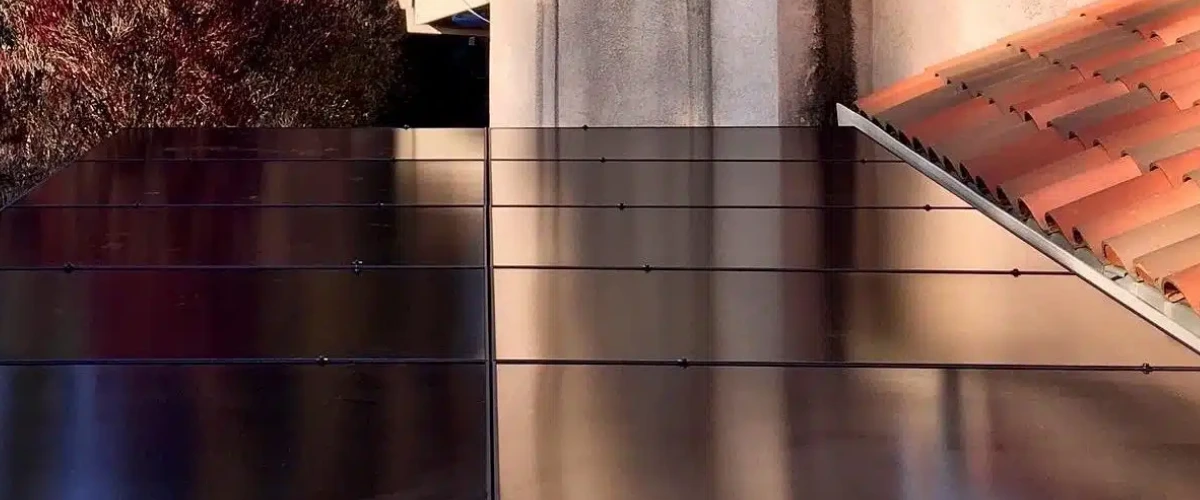
Installing solar panels on a Southern California home sounds like a smart, straightforward move. But if your home has a clay or terracotta roof, the wrong installer can turn your energy upgrade into an expensive repair bill.
Fragile tiles, rushed crews, and a disconnect between sales promises and real installation realities create a recipe for cracked tiles, water intrusion, and unexpected costs. Fortunately, with the right planning and the right solar company, your clay tile roof doesn't have to be a liability — it can still support a solar system that saves you thousands over time.
Here's everything you need to know before going solar on a clay or terracotta roof in California.
Asphalt shingle roofs are the workhorse of the solar industry — durable, flexible, and easy to drill into. Clay, terracotta, and slate tiles are a different story entirely. They're brittle, irregularly shaped, and far less forgiving when an installer steps in the wrong spot or uses the wrong bit.
This isn't a knock on clay roofs. They're beautiful, long-lasting, and common throughout Southern California — especially in older neighborhoods and Mediterranean-style homes in the San Fernando Valley, Pasadena, and Orange County. But they demand a level of care and experience that not every solar crew brings to the job.
Installing solar on clay or terracotta introduces three risks that don't exist on standard shingle roofs.
Tile breakage is the most common. A worker stepping in the wrong place, using too much torque on a drill, or failing to use protective boards can crack multiple tiles in a single visit. Replacing original terracotta tiles isn't cheap — they're often discontinued, making color-matching difficult and adding hundreds or even thousands to your project cost.
Drilling complications are equally serious. Terracotta is denser than asphalt, and a standard drill setting or bit can shatter the tile on contact. Experienced installers use specialized bits and slower speeds — crews that work primarily on shingle roofs often don't.
Weight and wind load are the third factor. Clay tiles are heavier than shingles, which means your roof structure is already carrying a significant load. Improperly distributed solar panels can add stress that becomes visible only during high-wind events. Knowing where and how to mount panels on this type of roof requires a pre-installation structural assessment.
Understanding roof compatibility for solar panels before signing any contract is one of the most important steps a homeowner can take.
The solar industry is competitive, and some companies prioritize closing deals over delivering careful work. On a standard shingle roof, a slightly rushed job may go unnoticed. On a clay tile roof, it shows up fast — as broken tiles, improper flashings, or mounting hardware that shifts under the weight of California's dry-season winds.
Homeowners in Southern California have reported discovering cracked tiles weeks after installation, sometimes only when rain reveals a new leak. Replacing broken tiles alone can cost $200–$800 per tile depending on age and availability. When you multiply that by three or five tiles — and add waterproofing repairs — your "savings" start looking a lot smaller.
Beyond tile damage, rushed crews can install panels slightly off-angle or use mounting systems that aren't rated for clay roof profiles. Over time, this creates vibration and movement that loosens hardware and degrades panel performance. The result is a system that underproduces from day one and worsens with age.
You can learn more about common solar installation problems and how to identify them before they happen.
One of the most overlooked risks in solar is the disconnect between what a salesperson promises and what an installation crew actually delivers. Sales representatives are incentivized to close. They may not be the ones on your roof the day of installation — and they may not have communicated the full complexity of your clay tile roof to the crew.
This creates a gap where the installer shows up expecting a standard job, and your home gets treated like one. The pressure of tight installation schedules makes it worse. Installers who are paid per job have little financial incentive to slow down and be extra careful with your tiles.
Choosing a company where sales, survey, and installation teams communicate closely — and where a roof assessment is mandatory, not optional — is the only way to close that gap.
The single most effective protection for a clay tile roof is having an experienced roofer involved in the installation — not called in after something breaks. A roofer who knows terracotta can guide where panels should and shouldn't be placed, identify tiles that are already at risk of cracking, and repair any that are damaged during the process.
US Power coordinates with licensed roofers on clay and terracotta jobs specifically because we know what happens when roofing expertise is left out of the process. It's a step that adds time on the front end and saves thousands on the back end.
Not all mounting hardware is designed for clay roofs. The most common solutions for fragile tile installations include tile hooks, tile-trac systems, and lead flashings — each of which is engineered to create a waterproof penetration without placing excess stress on the tile itself.
Standard lag bolt penetrations, used on shingle roofs, are inappropriate for most terracotta profiles. They can crack the tile at the point of contact or leave gaps that allow water to migrate under the surface. A company that uses one mounting system for every roof type is cutting corners on your home.
Concerns about whether solar installation causes roof leaks are valid — and the answer almost always comes down to whether the right mounting method was used for your specific roof type.
If your roof's complexity makes rooftop installation especially risky, a ground-mounted solar system may be the better option. Ground mounts avoid the roof entirely, are generally easier to maintain, and can often be positioned for optimal sun exposure without the constraints of your roof's pitch or orientation.
Not every homeowner has the yard space, and some HOAs restrict ground mounts — but it's worth exploring. An honest solar company will bring this option to the table if it's genuinely the safer choice for your home.
Before you agree to any solar installation on a clay or terracotta roof, ask these questions directly — and pay close attention to how the company answers.
Will a roofer be on-site during installation? A "yes" without hesitation is a good sign. Vague answers about roofers being "available if needed" are not.
What mounting system do you use for clay or terracotta tiles? They should be able to name the system specifically — tile hooks, tile-trac, lead flashings. If they can't, they may not have done enough of these jobs.
How do you handle tiles that crack during installation? The answer should include immediate replacement using color-matched tiles, covered under their workmanship warranty.
What warranty covers the roof penetrations? Look for a comprehensive workmanship warranty — US Power offers a 25-year warranty covering panels, performance, and installation workmanship.
What experience does your crew have with clay and terracotta roofs specifically? General solar experience matters less than roof-specific experience on your tile type.
You can also review common mistakes Los Angeles homeowners make when going solar to make sure you're protected from the most frequent pitfalls.
And before signing anything, it's worth reading what every California homeowner should know before signing a solar contract.
At US Power, sales, survey, and installation aren't three separate silos. When a homeowner with a clay tile roof requests a consultation, that information travels through every stage of the project. Our surveyors assess the roof before any installation date is set. If roofing involvement is needed, it's scheduled in advance — not improvised on the day.
This coordination is rare in the solar industry, where many companies outsource installation to third-party crews who may never see the job file before showing up at your door.
Before committing to any installation, it's worth thinking through whether you should replace your roof before going solar. In some cases, addressing aging tiles first protects your investment for decades to come — and our consultants will give you an honest answer rather than a sales pitch.
US Power is California's exclusive partner for factory-direct QCells solar panels. These American-made panels are engineered for high efficiency and durability — and because we purchase directly from the factory, our pricing comes in 15–20% below what most competitors offer.
For clay tile roof homeowners, panel quality matters beyond just efficiency. A panel that holds its structure and doesn't flex or vibrate under California's wind and heat conditions puts less long-term stress on your mounting hardware and, by extension, your tiles. Lower-quality panels can contribute to micro-movements over time that loosen flashings and compromise your waterproofing.
You can also review solar panel warranties for Southern California homes to understand exactly what your 25-year coverage includes — and what questions to ask any company whose warranty doesn't match that standard.
Going solar on a clay or terracotta roof doesn't require settling for a company that treats your home like every other job. It requires finding a team that respects the complexity of your roof and has the experience to handle it properly.
Understanding how long solar installation takes in California helps you plan realistically — and with US Power's 3–4 week timeline from approval to Permission to Operate, you won't be waiting months to see your first savings.
Start with a free consultation. Our CSLB-licensed advisors will assess your roof type, walk through mounting options specific to clay and terracotta, and give you a transparent quote with no hidden fees.
A clay or terracotta roof isn't a barrier to going solar — it's a reason to be more selective about who does the work. The wrong installer turns a smart investment into an expensive repair. The right one protects your roof while putting a high-performance solar system in place that saves you money for decades.
US Power's factory-direct QCells panels, CSLB-licensed consultants, and coordinated installation teams make us the right choice for Southern California homeowners with complex roofs. With 200+ five-star Google reviews and a 25-year comprehensive warranty, we stand behind every installation — no matter what your roof is made of.
Schedule your free consultation today and let us show you how solar can work for your home, your roof, and your long-term energy future.



The 30% solar credit ends soon — don’t sign blind. We are here to help you switch!
Prepare effectively for your solar consultation with these essential steps.

Learn how to choose reliable solar battery installers for your home in 2025.








¿Estás listo para ser dueño de tu poder? ¡Llámenos hoy mismo!
818-650-8010Contractor License #: 1144368

Derechos de autor © 2025 US POWER | Energía solar y techosUS Power - Axia by QCells. All Rights Reserved.
¡Obtenga una estimación solar instantánea usando el satélite!