

Learn the advantage of estimating your solar panel needs and energy savings—and why speaking with a solar consultant ensures the most accurate results.

Many Southern California homeowners are exploring solar energy as a way to lower skyrocketing electricity bills, gain energy independence, and reduce their carbon footprint. But one common question often holds them back: How do I know the right solar system size for my home?
A solar calculator can provide a rough estimate of your solar panel potential, energy savings, and how many panels you might need. However, calculators only offer approximate numbers — for a precise solar system proposal, consulting a solar expert is essential.
This guide will help you understand how to use solar calculators, evaluate solar panel estimates, and explain why a professional assessment through a company like US Power is the best way to get an accurate solar power system proposal.
The first step to calculating the right system is knowing your home’s electricity usage. Most solar calculators require your average monthly kWh consumption to estimate solar power generation. Accurately tracking your energy usage ensures your projected solar savings are realistic and prevents over- or under-sizing your system.
For homeowners unsure of their usage, reviewing past PG&E bills or using a home energy monitoring tool is highly recommended. Accurate energy data is the foundation for determining the number of panels your system will need.
Learn more about how to read your SoCal electric bill for solar savings.
While a solar panel calculator can provide estimates, real-world factors play a major role in system performance. Roof tilt, orientation, and shading from trees or neighboring structures can significantly affect energy output.
Even two homes with identical energy consumption may require different system sizes due to these variations. Calculators may assume ideal conditions, but your roof’s unique characteristics will determine the actual number of panels you need. Tools like how to measure sun exposure for solar panels can help homeowners understand these variables.
Not all solar panels are created equal. High-efficiency panels like QCells produce more power in a smaller space, which can reduce the number of panels required for your system. Quality panels also maintain their output longer, translating to higher long-term energy savings.
For homeowners considering which panels to install, see our guide on how to choose the best solar panels for your home to compare efficiency, warranty, and cost.
Solar calculators like PVWatts, US Power, or Tesla’s PV estimator can give you a general idea of solar potential without submitting sensitive personal information. Here’s a simple approach for homeowners:
Tip: Using our solar calculator or any solar panel calculator can give you a rough estimate, but only a professional consultation can verify your system potential and savings accurately.
Even the best calculator solar tools are limited to approximate estimates. To know the right panel size, series-parallel connections, and battery storage needs, a consultation with a solar professional like US Power is essential.
High-quality solar panels like QCells, when paired with battery storage, provide homeowners with:
A professional assessment ensures your system is sized correctly and maximizes both energy production and savings. Learn more about the benefits of pairing panels with storage in everything you need to know about solar and battery storage.
*Assumes eligibility for the federal tax credit.
Knowing your panel size and energy usage helps calculate potential solar savings, but remember: calculators only provide estimates, not exact numbers. For accurate results, a solar consultation ensures your system is neither oversized nor undersized.
This approach maximizes your long-term solar savings, prevents overspending, and ensures you get the most out of your system.
A solar calculator is a helpful tool for education, but it cannot replace professional guidance. The most accurate solar power estimates come from a consultation with a solar expert, who can assess roof conditions, panel potential, and provide a tailored solar system proposal with QCells panels and battery storage.
Start with a calculator solar panel estimate, then get expert advice — that’s the formula for smart, long-term energy savings.
Homeowners ready to take the next step can schedule a free US Power consultation to receive a detailed solar proposal, including:
Don’t rely solely on online calculators — professional guidance ensures your Southern California home achieves maximum solar efficiency and savings.
A solar calculator is a helpful tool for education, but it cannot replace professional guidance. The most accurate solar power estimates come from a consultation with a solar expert, who can assess roof conditions, panel potential, and provide a tailored solar system proposal with QCells panels and battery storage.
At US Power, our team of solar consultants helps Southern California homeowners get precise solar system recommendations based on their actual energy usage and roof conditions — not just online estimates.
Start with a free consultation with US Power to get a detailed solar proposal, including potential savings, recommended panel size, and battery storage options. That’s the formula for smart, long-term energy savings.
See how much solar your home could produce — and get real, actionable savings estimates. Book a FREE Solar Consultation today.


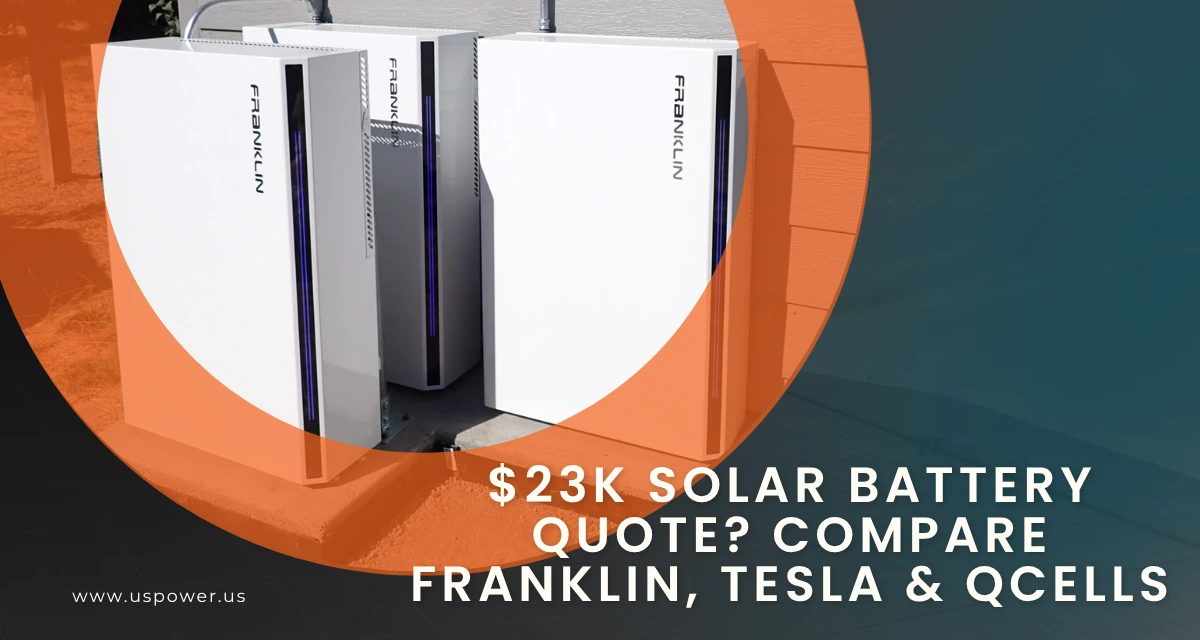
Is $23K a fair price for a home battery? compare quotes and incentives in SoCal.
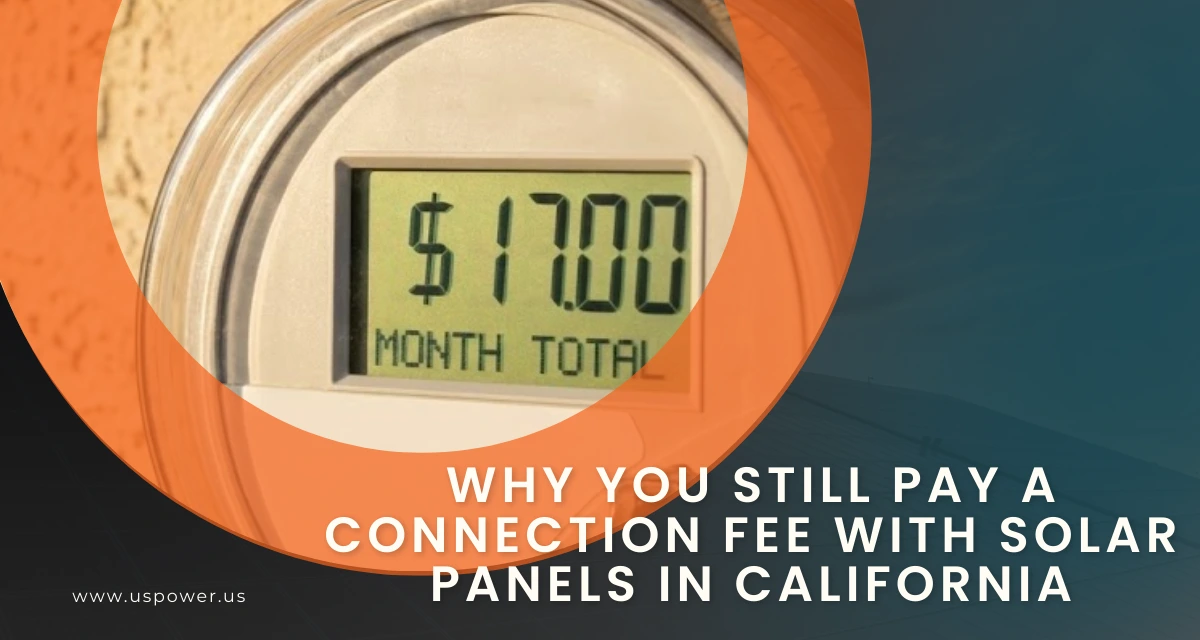
My bill is $17—why am my solar not efficient enough? Learn more from US Power.
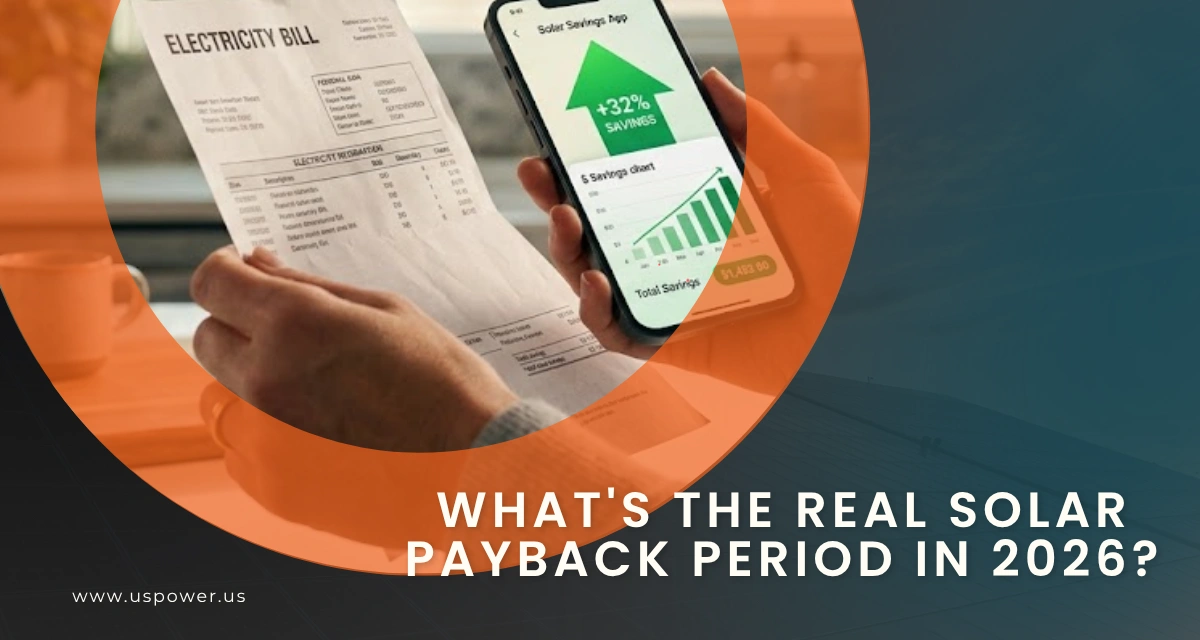
Your neighbors are breaking even faster than their installer predicted. Here's why.









¿Estás listo para ser dueño de tu poder? ¡Llámenos hoy mismo!
818-650-8010Contractor License #: 1144368

Derechos de autor © 2025 US POWER | Energía solar y techosUS Power - Axia by QCells. All Rights Reserved.
¡Obtenga una estimación solar instantánea usando el satélite!