

¿Recibe presupuestos de energía solar que van desde los $20,000 hasta los $40,000 para su casa en el sur de California? No es el único. Aquí le explicamos por qué los precios de la energía solar varían tanto y cuál es la cifra que realmente importa al comparar instaladores.
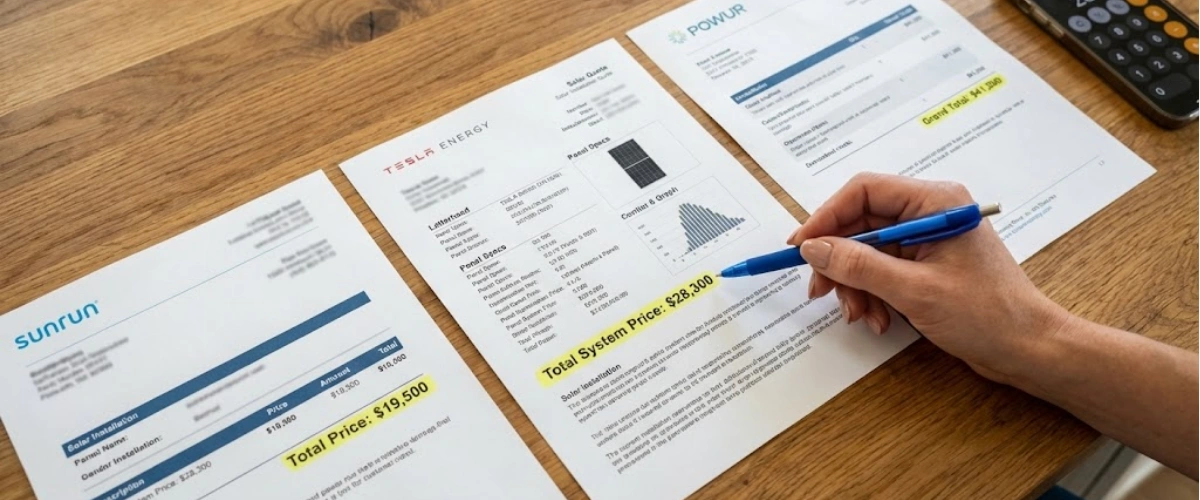
Los presupuestos varían según el consumo eléctrico, el estado del tejado, la orientación de los paneles, las sombras y la precisión del instalador al dimensionar el sistema. Compare el coste por vatio y la calidad de los equipos en lugar de fijarse únicamente en el precio total.
Solicitó cinco presupuestos de energía solar para su casa en Los Ángeles. Los resultados fueron: $19,500, $24,800, $28,300, $35,000 y $41,200.
La misma casa. El mismo techo. La misma factura de electricidad.
¿Cómo es posible? Y lo que es más importante: ¿cuál de los presupuestos es realmente el justo?
Si usted es propietario de una vivienda en el sur de California y busca energía solar en 2026, esta confusión de precios no solo es frustrante. Le está costando miles de dólares en posibles pagos excesivos o llevándole a elegir un instalador basándose únicamente en el precio (lo cual suele salir mal).
Esto es lo que realmente sucede detrás de esas cifras tan dispares, y cómo comparar exactamente los presupuestos de energía solar para elegir el sistema adecuado al precio correcto.
La industria solar tiene un pequeño secreto: no existe un sistema de presupuestos estandarizado.
Cuando solicita presupuestos a cinco instaladores diferentes, a menudo recibe propuestas para cinco sistemas completamente distintos. Es como pedir a cinco contratistas que renueven su cocina: uno presupuesta gabinetes nuevos, otro incluye electrodomésticos y el tercero planea derribar una pared.
Esto es lo que realmente varía entre los presupuestos:
Un instalador presupuesta un sistema de 7.2 kW. Otro propone uno de 10.8 kW. Ambos afirman que están "dimensionándolo correctamente" para su hogar.
¿La realidad? Muchos instaladores sobredimensionan intencionalmente los sistemas entre un 20% y un 40% "por si acaso" su consumo aumenta. Esto los protege de reclamos, pero a usted le cuesta miles de dólares en paneles innecesarios.
Un propietario en Los Ángeles con una factura de SCE de $200 al mes normalmente necesita entre 8 y 9 kW. Sin embargo, hemos visto presupuestos que van desde los 6 kW (insuficientes) hasta los 12 kW (excesivos) para el mismo perfil de consumo.
No todos los paneles solares son iguales, y el precio lo refleja.
Los paneles de gama económica (a menudo de fabricantes menos conocidos) pueden costar 2,20 $/vatio instalados. Los paneles premium de fabricación estadounidense, como los QCells, suelen rondar los 2,50-2,80 $/vatio. El sistema de Tesla puede cotizarse a 2,30 $/vatio, pero utiliza paneles importados con garantías más cortas.
La opción más barata hoy podría costarle más a lo largo de 25 años si se tienen en cuenta las tasas de degradación, la cobertura de la garantía y los costes de sustitución.
Los inversores de cadena (una sola unidad para todo el sistema) cuestan significativamente menos que los microinversores (uno por panel). Un sistema de 9 kW con un inversor de cadena podría cotizarse a 23.000 $, mientras que el mismo sistema con microinversores Enphase podría alcanzar los 27.000 $.
Ninguna de las dos opciones es automáticamente "mejor"; depende de la sombra de su tejado, la distribución y los planes de expansión futuros.
Deje de comparar precios totales. Empiece a comparar el coste por vatio.
Esta métrica única elimina todo el ruido y le permite comparar presupuestos de forma justa, incluso cuando los tamaños de los sistemas difieren.
Tome el coste total del sistema (después de cualquier comisión del distribuidor, pero antes de los incentivos) y divídalo por el tamaño del sistema de CC en vatios.
Ejemplo:
Ese es su número real para comparar precios.
Para energía solar residencial de calidad en Los Ángeles, el condado de Orange y las zonas circundantes:
Señal de alerta: Cualquier cifra superior a 3,50 $/vatio o inferior a 2,00 $/vatio merece un examen serio.
En US Power, nuestra asociación directa de fábrica con QCells significa que solemos cotizar entre 2,50 y 2,70 $/vatio por paneles fabricados en EE. UU. con garantías integrales de 25 años, un 15-20% por debajo de las tarifas habituales del mercado para una calidad equivalente.
Para obtener un desglose detallado de los precios actuales en California, consulte nuestra guía sobre Cuál debería ser el coste de la energía solar por vatio en California.
¿La razón principal por la que los presupuestos varían entre 10.000 y 15.000 $? Uno incluye baterías y el otro no.
Bajo la política NEM 3.0 de California (que entró en vigor en 2023), las baterías pasaron de ser un "accesorio deseable" a una "necesidad financiera" para la mayoría de los propietarios de viviendas en el sur de California.
Sin una batería bajo NEM 3.0:
Con una batería:
Una batería de 13.5 kWh (como la QCells Q.HOME CORE) añade aproximadamente entre $10,000 y $13,000 a tu presupuesto. Pero para la mayoría de los hogares del sur de California con un alto consumo nocturno, esa batería se paga sola con los ahorros generados.
Al comparar presupuestos, asegúrate de comparar elementos equivalentes: o todos los presupuestos incluyen baterías, o ninguno lo hace.
Obtén más información sobre si las baterías solares valen la pena en California según tu patrón de consumo específico.
Un presupuesto solar completo debe desglosar cada costo, no limitarse a darte una cifra única.
Si un presupuesto no incluye estos detalles, te están pidiendo que tomes una decisión de más de $25,000 con información incompleta.
Para obtener una lista de verificación completa, consulta 5 elementos esenciales que todo presupuesto solar debe incluir.
Presta atención a estos cargos "sorpresa" que aparecen después de firmar:
Los instaladores de confianza evalúan estas necesidades desde el principio y las incluyen en el presupuesto. Los instaladores económicos a menudo las "descubren" más tarde y cobran un extra.
No todas las variaciones de precio son legítimas. Algunas son señales de alerta.
¿18.000 $ por un sistema de 10 kW? Aquí es donde probablemente están recortando gastos:
Un propietario en el condado de Orange ahorró 8.000 $ al elegir el presupuesto más bajo. Dos años después, pagó 6.500 $ para reparar goteras en el tejado y reemplazar un inversor averiado que el instalador original no quiso cubrir con la garantía.
¿45.000 $ por un sistema de 9 kW? Alguien está inflando los números:
Para obtener consejos sobre cómo evaluar a los instaladores, consulta 5 señales de alerta al elegir una empresa de energía solar.
Tienes tres presupuestos sobre la mesa. Aquí tienes tu proceso de comparación paso a paso.
Calcula el $/vatio para cada presupuesto. Esto elimina las diferencias de tamaño del sistema.
Si el Presupuesto A es de 24.000 $ por 8 kW (3,00 $/vatio) y el Presupuesto B es de 27.000 $ por 10 kW (2,70 $/vatio), el Presupuesto B es en realidad más barato a pesar del total más alto, y te ofrece una mayor generación de energía.
Compara la calidad de los paneles, el tipo de inversor y las garantías entre los presupuestos:
Crea una lista de verificación:
El precio no significa nada si el instalador desaparece en 2 años:
Para obtener una guía más detallada, consulte nuestro artículo sobre Cómo comparar presupuestos de energía solar.
Dos presupuestos idénticos de $30,000 pueden tener costos reales muy diferentes:
Pregunte siempre: "¿Cuál es el precio al contado?". Esa es su base para comparar.
Consulte Opciones de financiamiento solar en el sur de California para conocer sus alternativas de pago.
En US Power, hemos construido nuestra reputación sobre un principio: sin juegos, sin trucos, sin sorpresas.
Somos el instalador número 1 de QCells en California porque compramos directamente al fabricante. Sin distribuidores. Sin intermediarios. Sin sobreprecios.
Eso significa paneles QCells fabricados en EE. UU. entre un 15% y un 20% por debajo de las tarifas habituales del mercado, con la misma garantía integral de 25 años (paneles, mano de obra y garantía de rendimiento).
Nuestros presupuestos desglosan:
Sabrá exactamente a dónde va su dinero, antes de firmar nada.
Mientras que otros instaladores estiman de 8 a 12 semanas (o más), nuestro proceso optimizado le lleva desde la aprobación hasta la activación del sistema en 3 o 4 semanas. Eso significa ahorros más rápidos, un retorno de inversión más veloz y menos tiempo de espera.
Nuestro equipo está formado por profesionales de la energía solar con licencia en California que diseñan su sistema basándose en sus necesidades reales, no en objetivos de comisión. Ajustamos el tamaño de los sistemas, no los sobredimensionamos.
Obtenga más información sobre Cómo elegir una empresa de energía solar en Los Ángeles.
Deja de adivinar qué presupuesto es justo. Obtén los datos reales.
Esto es lo que sucede cuando contactas a US Power:
Sin cargos ocultos. Sin tácticas de venta. Sin sorpresas.
Con más de 180 reseñas de cinco estrellas en Google y una calificación A+ en el Better Business Bureau, nuestra transparencia habla por sí sola.


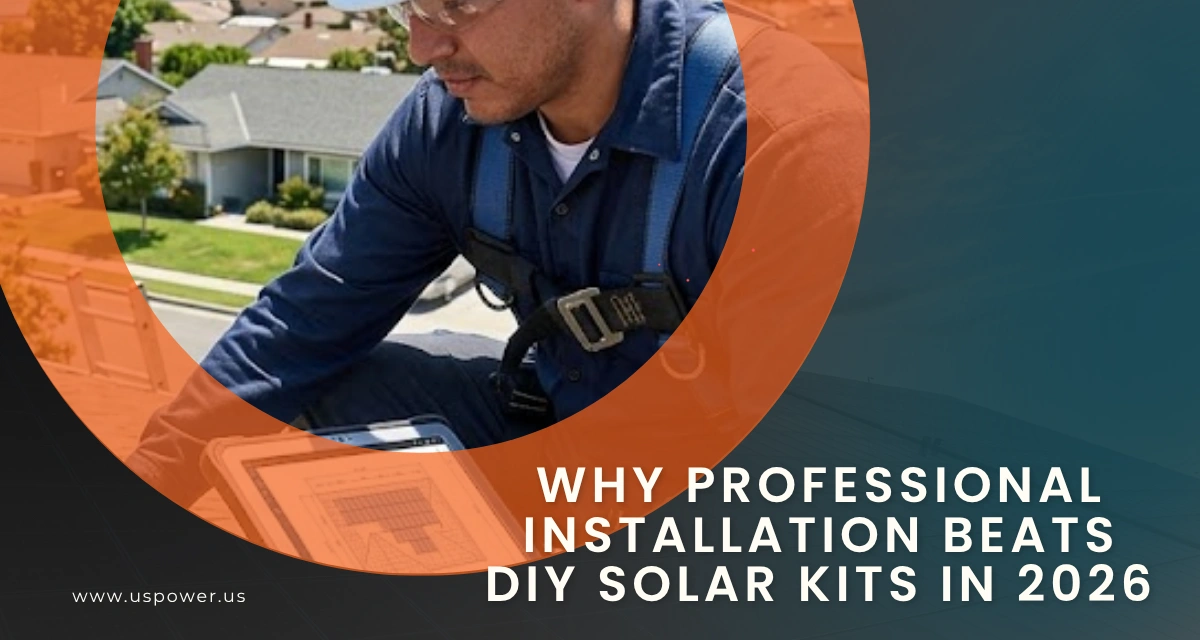
En la práctica, cada techo es único y cada ciudad tiene sus propias normas locales.

Todas las empresas solares dicen ser las mejores. Así es como puedes comprobarlo.
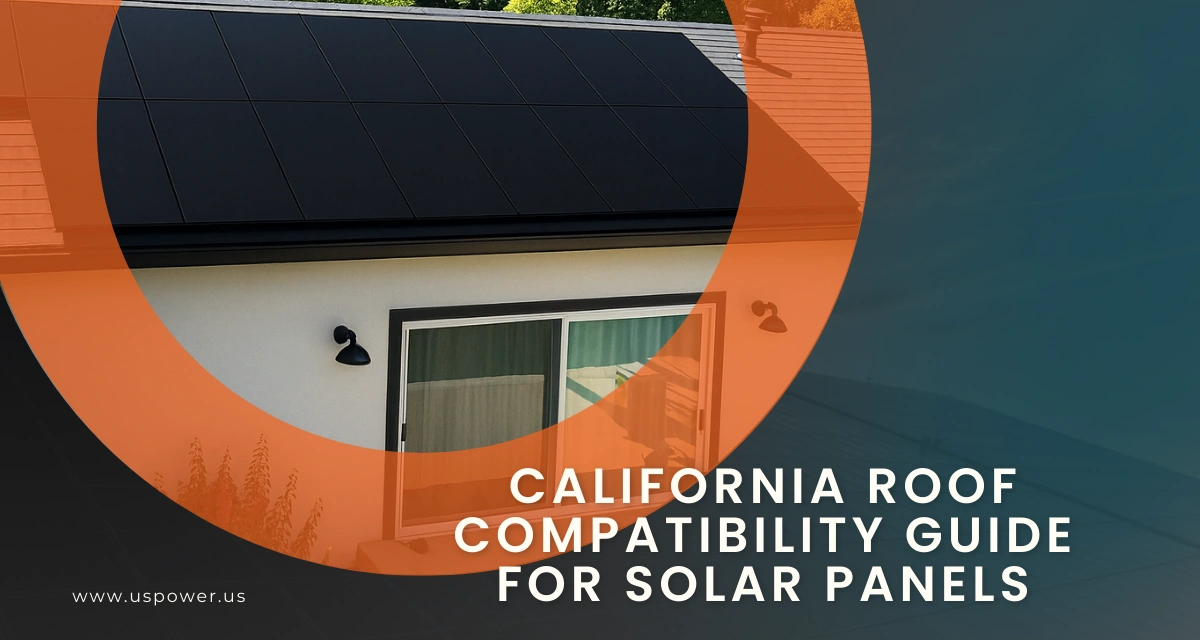
El tipo de techo residencial en CA no debe impedirle ahorrar en su factura eléctrica.







¿Listo para tomar el control de tu energía? ¡Llámanos hoy!
818-650-8010Licencia de contratista n.º: 1144368

Copyright © 2026 US Power - Axia by QCells. Todos los derechos reservados.
¡Obtenga un presupuesto solar al instante mediante satélite!