
If you're selling an Illinois home with owned solar panels, you need to understand how your SREC contract transfers — and what obligations follow the panels to the new owner. Here's everything you need to know before closing day.

You did everything right. You bought a fully owned solar system, took advantage of Illinois' strong incentive program, and now you're selling your home. Then someone asks a question that stops you cold: "What happens to the SRECs?"
It's one of the most misunderstood parts of selling an Illinois solar home — and it can create real headaches at closing if you're not prepared. The good news? When your system is fully owned, the process is far cleaner than most homeowners expect. You just need to know the rules before you sit down at the negotiating table.
Illinois has one of the most generous solar incentive programs in the country. Through the Illinois Shines Adjustable Block Program, homeowners can have SRECs — Solar Renewable Energy Credits — paid upfront based on the system's estimated production over 15 years. That payment can cover 30–40% of total installation cost in some cases.
The problem? Most homeowners don't fully understand what that upfront payment actually obligates them to.
When you enrolled in Illinois Shines, you didn't just receive a payment — you entered a contract. That contract promises the utility a specific volume of solar energy credits generated by your system over 15 years.
The panels are the source of those credits. So when the panels stay with the house, the contract effectively goes with them too.
If you received your SREC value as a lump-sum reduction on your installation cost, the transaction is largely settled. You received the value, the system generates the credits, and the utility gets what it contracted for.
But a lingering 5% collateral deposit — held by the utility as a performance guarantee — typically transfers to the new buyer at closing. That's their insurance policy in case the system underperforms over the life of the contract.
When you sell your home, you're not selling the SREC contract itself — you're transferring the obligation to maintain system production. Read our full guide on how to transfer solar ownership for a step-by-step walkthrough. Here's what happens at a high level.
Your solar company or Approved Vendor (the entity registered with Illinois Shines on your behalf) must be notified of the pending sale. This triggers the administrative transfer process. Some vendors charge a processing fee — around $750 is common — so factor that into your closing costs.
This is the critical document. The new owner must formally agree to take on the SREC contract and its production obligations. Without this signature, the sale cannot cleanly transfer the solar agreement.
The buyer is stepping into a commitment: keep the system running, maintain production levels, and allow the SREC credits to continue flowing as contracted.
That performance deposit held by the utility transfers from seller to buyer. The buyer inherits both the benefit of the system (free electricity) and the responsibility of the contract (maintaining output).
Absolutely — and this is where owning your solar system outright gives sellers a major advantage over those stuck with leases or power purchase agreements.
If you lease your panels, you don't own them — a solar company does. That means the buyer has to qualify to assume your lease, negotiate new terms, or pay a buyout fee that can run into the thousands. Many buyers walk away entirely when they discover a lease is attached. Understanding solar ownership vs. leasing before you install is how you protect yourself at every future closing.
With a fully paid-off owned system, the panels, the equipment, and the production contract transfer as part of the home's value. No third-party company has a claim on the roof. No buyer needs to qualify for anything. You simply price the system's value into the sale, sign the transfer documents, and move on.
The short answer: yes — but only if you handle it correctly. Understanding how solar panels increase your home's value helps you make the case to buyers and their agents with confidence.
Owned solar systems in Illinois are exempt from property tax assessment increases under state law. That means the added value shows up in your sale price — without bumping your tax bill while you own the home. Research consistently shows owned solar systems can increase home value by 5–10%.
Illinois electricity rates sit around 16–17 cents per kWh — above the national average. Buyers paying those rates immediately understand what a zero-bill system means for their monthly budget.
The most effective approach is straightforward: calculate the remaining value of the system (panels, warranty years remaining, production history) and add that to your asking price. A 25-year comprehensive warranty, like the one US Power provides on QCells panels, is a legitimate selling point that buyers and their agents can verify.
Don't leave money on the table by treating solar as a bonus feature. It's a measurable asset with documented savings. Check our complete guide on buying a house with solar panels to see exactly what informed buyers look for.
If you're on the other side of this transaction — buying a home with a solar system already installed — here's what to watch for.
Before you sign the transfer of liability form, have a qualified solar company inspect the system. You want to know the current production output, the condition of panels and inverters, and whether the system is on track to meet the SREC contract terms.
A system that underperforms puts you at risk of clawback provisions tied to that 5% collateral.
Ask directly whether the seller owns the system free and clear. A solar loan that hasn't been paid off may not show up in a standard title search. Get written confirmation from the seller and their solar company before closing.
Protecting yourself from predatory solar contracts is essential in any state — Illinois included. Know what you're signing before the keys change hands.
If you're considering going solar in Illinois before your next move, how you structure the deal today directly affects your flexibility at resale. US Power builds that flexibility in from the start.
US Power is an exclusive QCells partner, which means American-made panels at factory-direct pricing — typically 15–20% below market rates. When the time comes to sell, buyers see a premium brand name, not a budget system they need to research.
The US Power 25-year comprehensive warranty covers panels, workmanship, and performance. Learning more about solar panel warranties explained shows exactly why a transferable warranty matters to buyers. That warranty follows the panels to the new owner — giving buyers real confidence and giving sellers a documented advantage in negotiations.
US Power's 3–4 week installation timeline means you can lock in current Illinois SREC incentive values quickly. SREC incentive values have increased significantly for the 2026–27 program year, with the Illinois Power Agency proposing updates that could mean substantially higher incentives for eligible projects. Timing matters — and a fast installation track helps you capture those values before capacity blocks fill.
The federal 30% solar tax credit ended on December 31, 2025. But Illinois homeowners haven't lost their edge.
The state's incentive stack remains strong:
ComEd and Ameren customers have seen steady rate increases driven by grid infrastructure upgrades. At 16–17 cents per kWh — above the national average — every kilowatt-hour your system produces is money that doesn't go to the utility. That math doesn't change whether you plan to sell in three years or thirty.
The biggest takeaway from every Illinois homeowner who has navigated this process: the structure of your solar ownership matters as much as the panels themselves. A fully owned system with a clean contract, a reputable installer, and a transferable warranty is an asset. A leased system with complicated third-party obligations is a liability.
Illinois's SREC program remains one of the best in the country. Electricity rates continue to climb. And the homeowners who locked in owned systems are the ones walking away from closing with leverage — not headaches.
If you're considering solar in Illinois before your next move, the conversation with US Power costs nothing. The free consultation, the transparent pricing, and the 25-year warranty are how we make sure your system stays an asset — today and at every closing table in the future.



Solar delivers savings today and higher resale value tomorrow for CA homeowners.
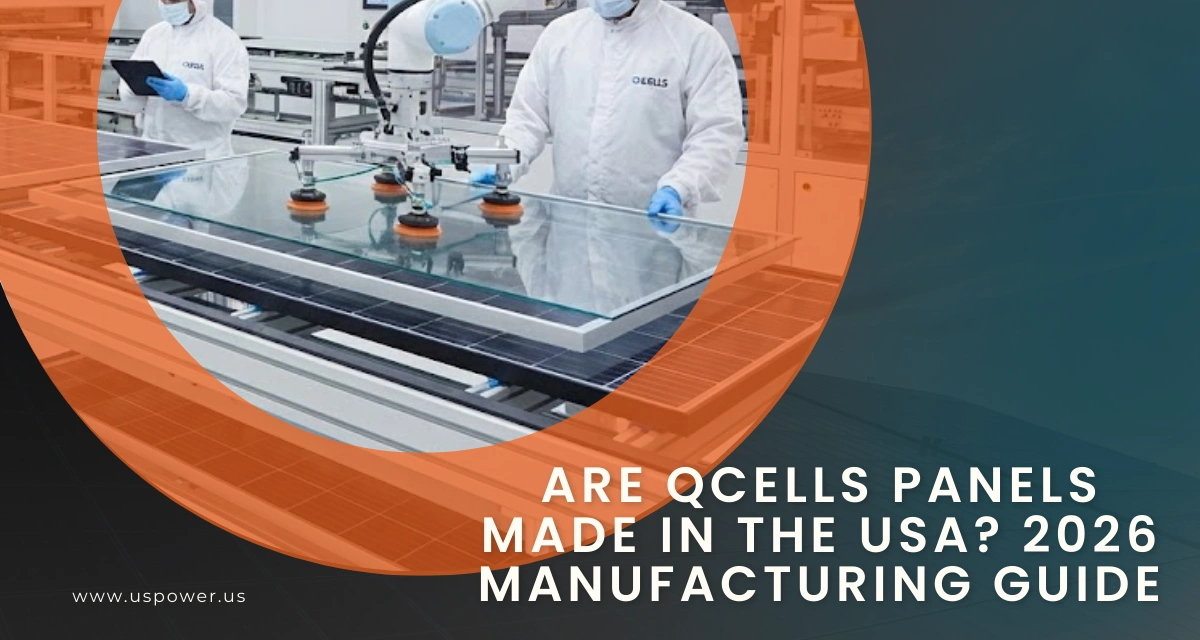
The surprising truth about where your QCells solar panels really come from.
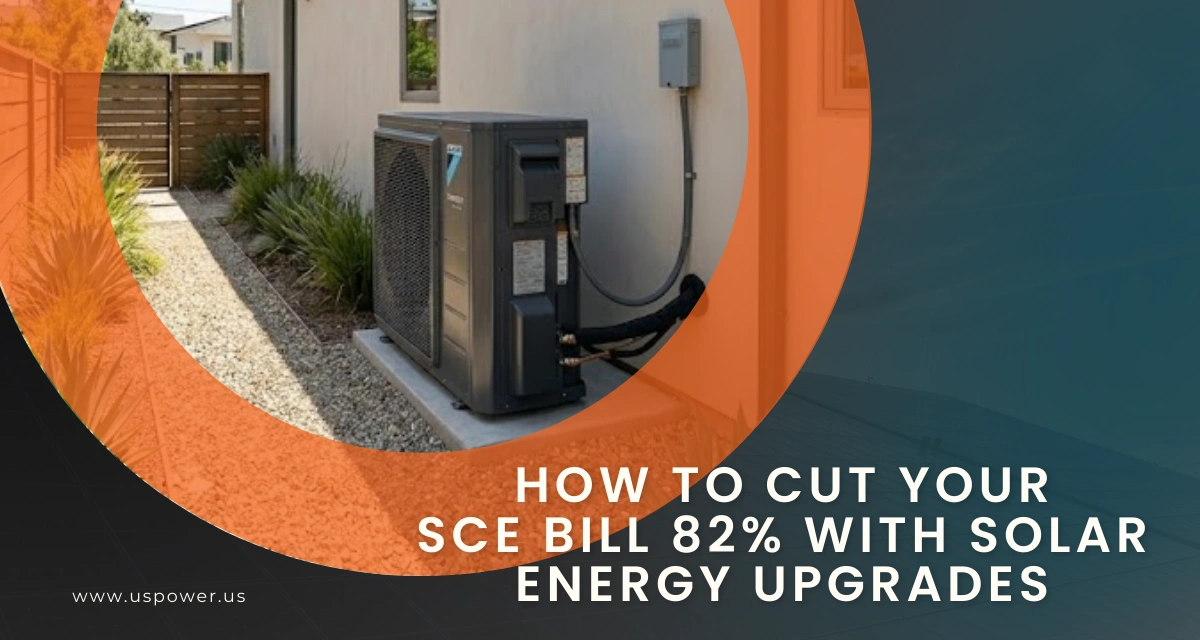
One upgrade decision saved this homeowner $500/year on electricity bills forever.







¿Estás listo para ser dueño de tu poder? ¡Llámenos hoy mismo!
818-650-8010Contractor License #: 1144368

Derechos de autor © 2025 US POWER | Energía solar y techosUS Power - Axia by QCells. All Rights Reserved.
¡Obtenga una estimación solar instantánea usando el satélite!