

Fresno homeowners are paying some of the highest electricity rates in the country — 30¢/kWh on average, with summer bills regularly topping $300. But with over 300 sunny days per year, Fresno is one of California's best cities for solar. This guide breaks down what solar actually costs, how much you can save on PG&E, what incentives still exist in 2026, and how US Power makes the switch faster and more affordable than other local companies.
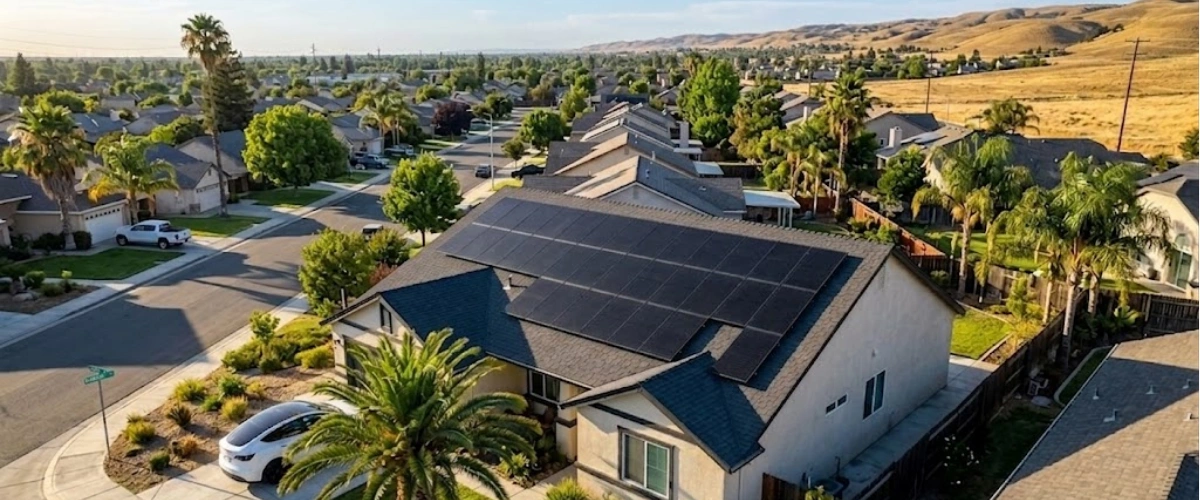
If your PG&E bill has felt like a second mortgage lately, you're not imagining it. Fresno homeowners pay an average of 30¢ per kilowatt-hour — roughly 60% above the national average — and summer months can push that bill past $300 or even $400 easily.
The good news? Fresno gets over 300 sunny days a year. That means your roof is quietly sitting on one of the best solar opportunities in California — and most homeowners haven't taken advantage of it yet.
This guide breaks down exactly what going solar means for Fresno homeowners in 2026: real savings numbers, the incentives that are still available, how battery storage changes the equation, and what to look for in a local solar company.
Fresno has a problem that most of California shares — but feels more intensely than almost any other city in the state.
According to real-world data from EnergySage, Fresno electricity costs 30¢/kWh as of early 2026 — and PG&E's published bundled residential rate sits even higher at around 34¢/kWh for non-CARE customers. To put that in context, the national average is roughly 17¢/kWh.
That gap matters. Every kilowatt-hour you pull from the grid in Fresno costs about twice what it costs the average American household. It's one reason why your PG&E bill keeps climbing even when your usage stays flat.
Fresno's Central Valley summers are brutal. Temperatures regularly exceed 100°F, and most homes run air conditioning for months on end. PG&E has acknowledged that Fresno customers have the highest kilowatt-hour usage in its entire service territory — largely because of that summer cooling demand.
The result: Fresno households pay an average of $280/month in electricity costs, and summer months often push that even higher. That's real money leaving your pocket every single month.
PG&E has signaled some modest rate relief, but consumer advocates tell a more complicated story. Over the past six to seven years, PG&E bills have already doubled. Wildfire infrastructure costs, grid upgrades, and regulatory fees continue to build upward pressure on rates. Betting on meaningful long-term rate decreases is a risky financial strategy for Fresno homeowners.
Going solar doesn't mean going off-grid. It means your roof generates electricity during the day, reducing how much you buy from PG&E. Here's how that works in 2026.
If you're a new solar customer, you'll be enrolled in California's Net Billing Tariff — commonly called NEM 3.0. This replaced the older NEM 2.0 program in April 2023.
Under NEM 3.0, any excess solar power you send back to the grid earns credits based on wholesale rates — not the retail rate you pay. That means exports are worth significantly less than they used to be. Understanding how solar billing works in California is essential before you sign anything.
The practical takeaway: the biggest savings come from using your solar power directly — running your dishwasher, AC, and appliances during daylight hours when your panels are producing.
Here's where the equation changes significantly. Fresno's peak electricity rates hit between 4–9 PM daily — right when the sun starts going down and your panels slow their production. Without a battery, you'd buy that expensive evening power from PG&E.
With a battery, your solar system stores excess midday power and discharges it during those expensive evening hours. The savings from that shift can be substantial. Whether solar batteries are worth it in California depends on your bill and usage — but for most Fresno homeowners paying $250+ per month, the answer is yes.
Numbers matter more than promises. Here's what the data shows for Fresno specifically.
With over 300 sunny days per year and PG&E rates averaging 34¢/kWh, Fresno homeowners who install a properly sized solar system can save an estimated $103,000 over 25 years. That figure comes from current rate assumptions and typical system performance in the Central Valley.
Even on a shorter timeline, a homeowner paying $280/month — roughly $3,360/year — who offsets 80–90% of their usage with solar can expect to save $2,500 to $3,000 per year once their system is paid off. To understand the full math, see how much solar panels save in California with a breakdown by usage and system size.
California's solar property tax exclusion means your home's assessed value won't increase just because you added solar panels. You get the home value boost without the higher property tax bill. Learn more about California's solar property tax exclusion and how to take advantage of it.
The incentive landscape changed significantly at the start of 2026. Here's an honest breakdown of what's still available.
The 30% federal residential solar tax credit expired on December 31, 2025. It is no longer available for systems installed in 2026. Any solar company still advertising it as a benefit for new installs is giving you outdated information.
That said, is solar worth it in 2026 without the tax credit? For most Fresno homeowners, yes — because PG&E's rates are so high that the payback math still works strongly in your favor.
California Property Tax Exclusion: Your solar system won't increase your property tax assessment. This is automatic and permanent for systems installed on your primary residence.
DAC-SASH Program: If you're a PG&E customer in a qualifying disadvantaged community in Fresno, you may be eligible for up to $3/watt toward a solar system — potentially covering a large portion of the upfront cost. Income limits apply (up to $52,875 for a 1–2 person household through May 2026).
NEM 3.0 Export Adder: PG&E customers who interconnect before the end of 2027 may qualify for a temporary export adder, which provides slightly higher credits for exported energy for nine years. Getting your system installed sooner locks in a better rate.
SGIP Battery Rebates: The general-market SGIP battery rebate program is currently waitlisted. Income-qualified households in disadvantaged communities may still access the Residential Solar and Storage Equity (RSSE) program. Ask your installer to check your eligibility before assuming it's unavailable.
Not all solar companies are the same — and in a market where predatory contracts and inflated quotes are common, the difference matters.
US Power is California's exclusive QCells partner, which means factory-direct pricing — typically 15–20% below what other installers charge for the same American-made panels. QCells panels are manufactured in Georgia and are consistently rated among the top performers for reliability and efficiency. See how QCells vs the competition stacks up for California homeowners.
Once your permit is approved, US Power completes most installations within 3 to 4 weeks — significantly faster than the industry average. For Fresno homeowners eager to start saving before summer, that timeline matters. Curious about the full process? See how long solar installation takes in California from consultation to Permission to Operate.
US Power backs every installation with a 25-year warranty covering panels, workmanship, and performance. That's not a manufacturer-only warranty — it covers the full system and the work done on your home.
Every US Power consultant is CSLB-licensed. You'll get real numbers, transparent pricing, and no high-pressure tactics. US Power has earned 200+ five-star Google reviews from California homeowners — and that reputation is built on straight talk, not sales scripts.
One concern we hear often: "My roof faces the wrong direction" or "I don't get enough sun." In Fresno, that concern is almost always unfounded.
Fresno sits in California's San Joaquin Valley and receives 300+ sunny days per year — making it one of the strongest solar markets in the entire state. Even south-facing roofs with partial shading can produce meaningful energy in this climate. A west-facing roof, which captures afternoon sun, can actually be valuable under NEM 3.0 because afternoon production aligns better with peak rate hours.
California law (Civil Code Section 714) protects homeowners' rights to install solar even in HOA communities. An HOA can request reasonable aesthetic accommodations but cannot legally prohibit you from going solar. US Power's team handles HOA paperwork as part of the installation process.
Fresno is the city that pays more for electricity than almost anywhere else in America — and it's also one of the best places in California to go solar. That combination doesn't happen often, and it means the financial case for switching is stronger here than in most markets.
The federal tax credit is gone, but PG&E's rates aren't going anywhere. With 300+ sunny days, available state incentives, and factory-direct pricing from US Power, the numbers still work decisively in your favor. The homeowners who act now — before peak summer rates hit — will be the ones watching their neighbors pay $350 electricity bills while their own meter barely moves.
Get your free consultation today, and find out exactly what solar would save on your Fresno home.


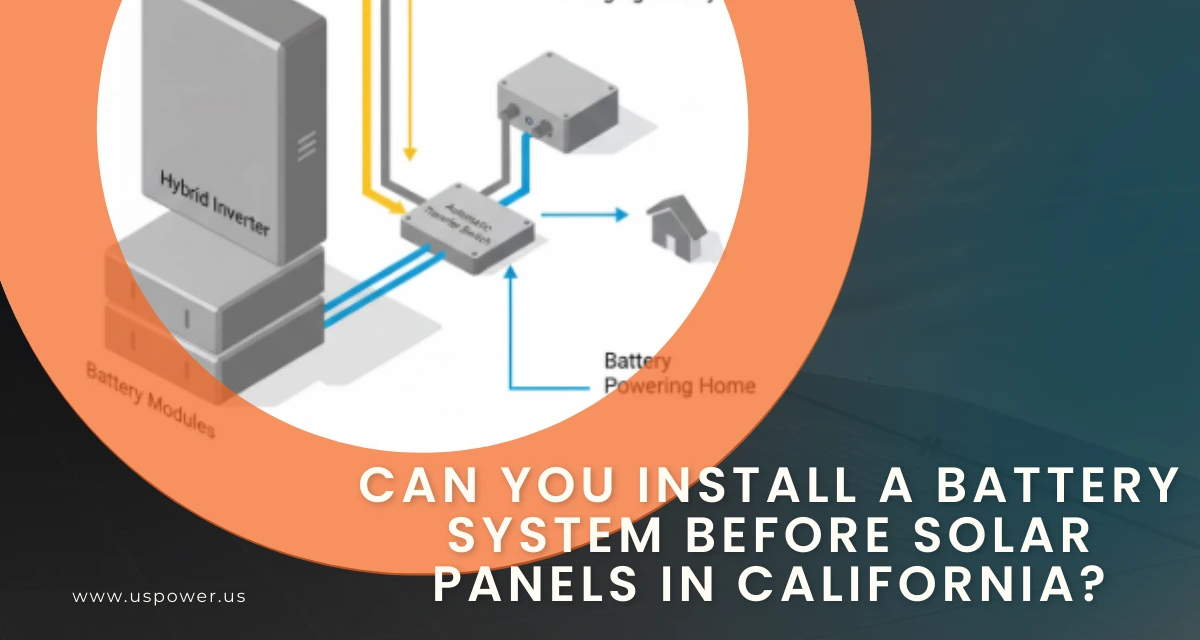
Here's what you need to know about battery-first installations and hybrid inverters.
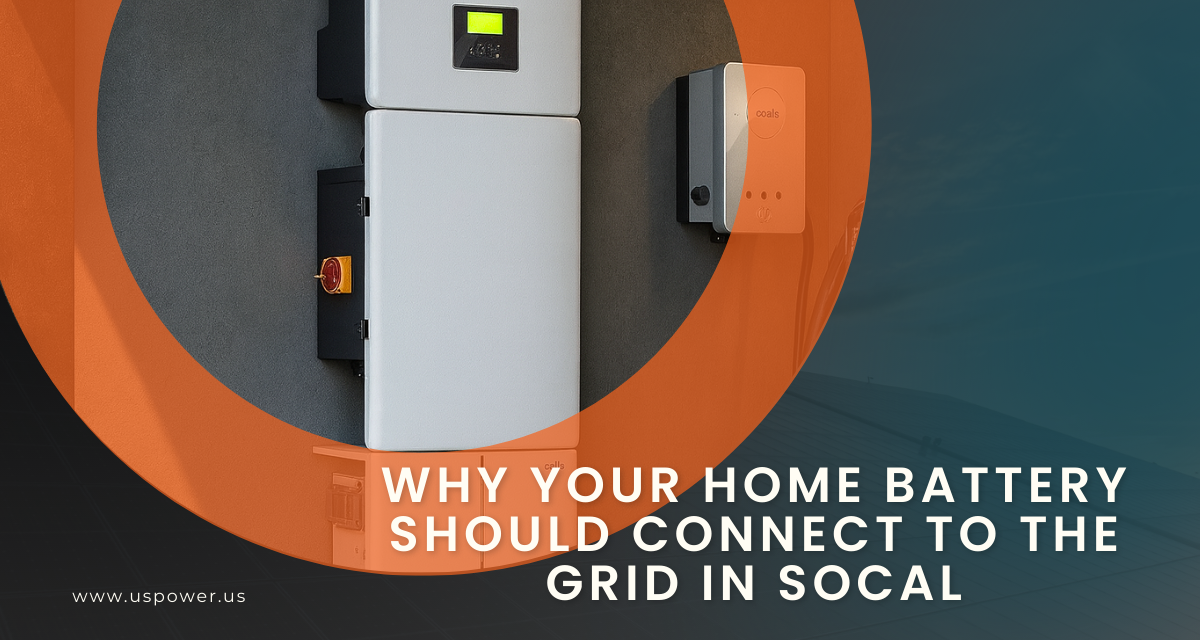
Grid-connected solar batteries offer backup, savings, and support under NEM 3.0.
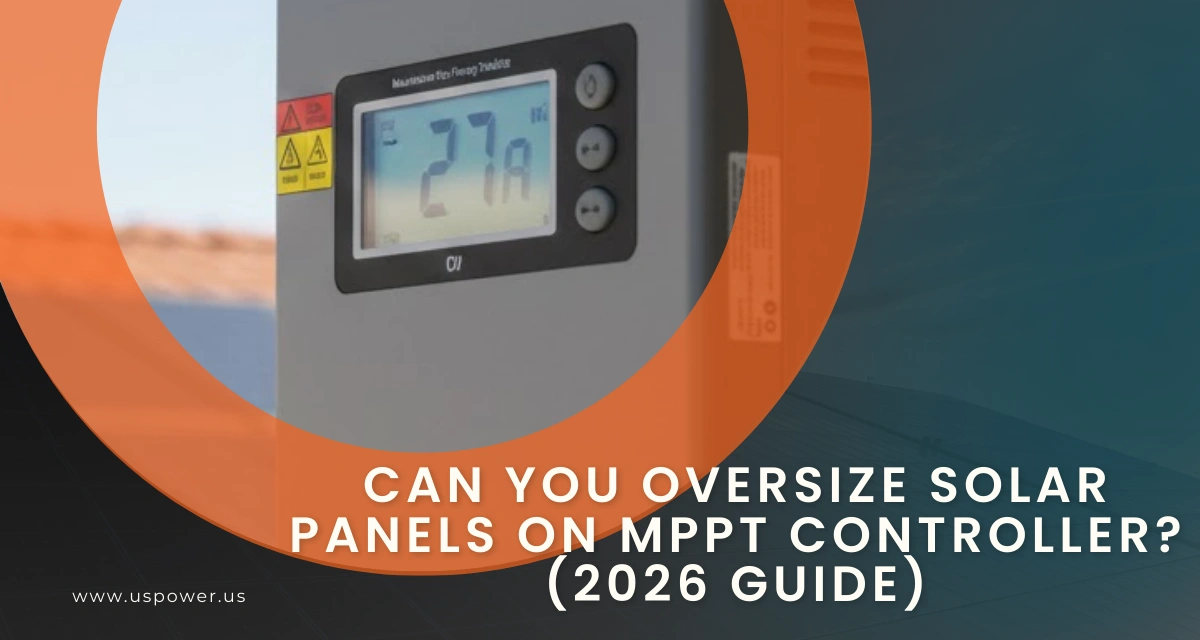
Will extra solar panels fry my charge controller or just waste power? Your 2026 Guide







¿Estás listo para ser dueño de tu poder? ¡Llámenos hoy mismo!
818-650-8010Contractor License #: 1144368

Derechos de autor © 2025 US POWER | Energía solar y techosUS Power - Axia by QCells. All Rights Reserved.
¡Obtenga una estimación solar instantánea usando el satélite!