
Las tarifas eléctricas en California han aumentado más de un 40% desde 2022. Instalar paneles solares tiene sentido, pero solo si elige la empresa adecuada. Esto es lo que debe buscar antes de firmar cualquier contrato en 2026.

Busque una licencia CSLB verificada, seguro de responsabilidad civil general y compensación para trabajadores; luego, revise las reseñas, los términos de garantía y el equipo. Elegir la empresa adecuada es fundamental, ya que las tarifas en California han aumentado más de un 40% desde 2022.
Southern California Edison acaba de subir las tarifas de nuevo. Los clientes de PG&E pagan casi el doble de lo que pagaban hace una década. Y las mayores empresas de servicios públicos de California ya han anunciado más aumentos hasta 2028.
Para la mayoría de los propietarios, la energía solar es la respuesta obvia. Pero esto es lo que nadie le dice: elegir la empresa de energía solar equivocada puede ser tan costoso como seguir dependiendo de la red eléctrica.
En toda California, los propietarios se enfrentan a inversores averiados, instaladores que desaparecen y sistemas que nunca obtuvieron los permisos adecuados. La empresa que parecía excelente durante la presentación de ventas se vuelve inalcanzable cuando algo sale mal.
Esta guía detalla exactamente qué buscar en una empresa de energía solar en California en 2026, para que su sistema funcione de manera confiable durante décadas, no solo meses.
SCE aumentó las tarifas residenciales aproximadamente un 12.9% a finales de 2025. Las tarifas de PG&E se han más que duplicado desde 2015: un aumento del 104% en solo diez años. Los clientes de SDG&E pagan actualmente una de las tarifas eléctricas más altas de todo el país.
Entender por qué las facturas de electricidad en California siguen subiendo es el primer paso. Los costos de mitigación de incendios forestales, la modernización de la red y la infraestructura obsoleta se trasladan directamente a los contribuyentes, y esa tendencia no cambiará pronto.
Antes de 2023, los propietarios podían exportar el exceso de energía solar a la red y recibir créditos importantes a cambio. Con NEM 3.0, esos créditos por exportación se redujeron significativamente.
Ese cambio no hace que la energía solar sea menos valiosa. Hace que su elección de instalador y equipo sea más importante. Un sistema diseñado para NEM 3.0 —con integración de baterías inteligentes y optimización del autoconsumo— aún puede reducir su factura entre un 40% y un 70%.
¿Un sistema diseñado para 2019? No tanto.
En toda California, los instaladores de energía solar han estado cerrando a un ritmo acelerado. Algunos carecían de capital suficiente. Otros no pudieron superar la transición a NEM 3.0. Unos pocos eran simplemente empresas poco éticas que decidieron abandonar el mercado.
Cuando su instalador desaparece, usted se queda solo con el problema. Sin reclamaciones de garantía. Sin servicio técnico. Sin nadie a quien llamar cuando su inversor falle después de diez años.
Los propietarios de viviendas están descubriendo esto por las malas. Un sistema que funcionó bien durante una década de repente necesita un reemplazo de inversor, y el número de teléfono del instalador original envía directamente al buzón de voz. Para siempre.
Entender qué causa el fallo de los inversores solares es fundamental antes de firmar con cualquier empresa. Los inversores de cadena suelen durar entre 10 y 15 años. Esto significa que un sistema instalado en 2012 o 2013 está llegando ahora a su periodo crítico de fallos.
Cuando eso sucede, las opciones de reemplazo se reducen rápidamente. Algunas marcas requieren piezas patentadas o instaladores certificados que ya no existen a nivel local. Otras dejan a los propietarios luchando durante meses sin que su sistema funcione a plena capacidad.
La lección: la empresa que elija hoy es la que necesitará en 2033.
En California, todo instalador solar legítimo debe poseer una licencia de la CSLB (Contractors State License Board). Esto no es opcional. Es el requisito legal básico para realizar trabajos en el tejado de su hogar.
Antes de firmar nada, infórmese sobre lo que debe saber antes de instalar energía solar en California — incluyendo cómo verificar la licencia de un contratista en el sitio web de la CSLB en menos de dos minutos. Si una empresa no puede proporcionarle su número de licencia de inmediato, aléjese.
El seguro de responsabilidad civil general y el seguro de compensación laboral son igualmente innegociables. Sin ellos, cualquier accidente en el tejado se convierte en su problema financiero.
Los contratos solares abusivos prosperan gracias a la confusión. Un presupuesto confiable le muestra exactamente por lo que está pagando: costo de los paneles, costo del inversor, mano de obra, tarifas de permisos y monitoreo; todo desglosado.
Saber cómo comparar presupuestos solares en California es la herramienta más poderosa que tiene como consumidor. Exija un desglose de precios por vatio. Pregunte qué sucede si la instalación se retrasa. Pregunte quién se encarga de las correcciones de los permisos si la ciudad pone trabas.
Si una empresa se resiste a responder cualquiera de estas preguntas, ahí tiene su respuesta.
California tiene los requisitos de equipos solares más estrictos del país. La Regla 21 exige capacidades de inversor inteligente para la estabilidad de la red. La Comisión de Energía de California (CEC) mantiene una lista de equipos aprobados; si su sistema utiliza equipos que no están en esa lista, es posible que no pase la inspección o no califique para los reembolsos locales.
Los paneles fabricados en EE. UU. como QCells no solo cumplen con estos requisitos, sino que los superan. Los precios directos de fábrica significan que obtiene equipos de primera calidad sin el sobreprecio inflado de los intermediarios.
La garantía de un sistema solar es tan buena como la empresa que la respalda. Una garantía de 25 años para paneles de una empresa que cierra en tres años no vale nada.
Busque instaladores que ofrezcan una cobertura integral (paneles, mano de obra y rendimiento) y que tengan la estabilidad financiera necesaria para cumplirla. Comprender las garantías de paneles solares para hogares en el sur de California le ayudará a hacer las preguntas correctas antes de firmar.
Es tentador elegir la oferta más baja. Pero un sistema barato instalado por una empresa con malas prácticas de permisos, sin licencia CSLB o con equipos de baja calidad le costará mucho más a largo plazo.
La verdadera comparación no es entre presupuestos. Es entre su costo total de energía solar a 25 años frente a su costo total a 25 años en una factura de servicios públicos que aumenta constantemente. Cuando las tarifas de SCE crecen entre un 4% y un 6% anual, los números se inclinan cada vez más a favor de la energía solar.
Saber cómo comparar presupuestos solares en California significa fijarse en el precio por vatio, no solo en el total. Significa preguntar sobre el cronograma de instalación, el proceso de permisos y quién le atenderá si algo se avería en el año 12.
En California, un proyecto solar que se prolonga durante meses no es solo una molestia: retrasa sus ahorros. Cada mes sin su sistema funcionando es otro mes pagando facturas de electricidad completas.
Los instaladores legítimos proporcionan un cronograma de instalación solar claro para los propietarios de viviendas en California. Desde la firma del contrato hasta el Permiso para Operar (PTO), una empresa bien organizada debería tener su sistema generando energía en un plazo de 3 a 6 semanas tras la aprobación de la compañía eléctrica.
Si una empresa no puede darle un cronograma realista, o sigue posponiéndolo con explicaciones vagas, eso es una señal de alerta.
Bajo las antiguas reglas de medición neta, exportar energía solar a la red se pagaba bien a cualquier hora. Con NEM 3.0, el valor de las exportaciones depende del momento: usted gana sustancialmente más exportando durante las horas pico (de 4 a 9 p. m.) que durante el mediodía.
Ese cambio en los horarios convierte al almacenamiento en baterías en una herramienta estratégica, no solo en una opción de respaldo. Una batería le permite almacenar la energía solar que produce durante el día y utilizarla (o exportarla) durante la ventana horaria vespertina de mayor valor.
Saber si las baterías valen la pena para la energía solar en California depende de sus patrones de consumo y de su plan tarifario. Pero para la mayoría de los propietarios de viviendas con la estructura de tarifas por tiempo de uso (TOU) de SCE, los números favorecen cada vez más el almacenamiento.
Un instalador que sigue diseñando sistemas como si NEM 2.0 estuviera vigente le está haciendo un flaco favor. Su sistema debe estar dimensionado y configurado para la estructura de incentivos actual, maximizando el autoconsumo y el valor de la exportación durante la tarde.
Pregunte directamente a cualquier instalador: "¿Cómo diseñan los sistemas bajo NEM 3.0?". Su respuesta le dirá todo lo que necesita saber.
US Power es el socio exclusivo de QCells en California, lo que significa paneles de fabricación estadounidense a precios directos de fábrica, generalmente 15–20% por debajo del precio de mercado. Sin comisiones de intermediarios. Sin cambios de equipo engañosos después de haber firmado.
Cada consultor de US Power cuenta con licencia CSLB. Cada instalación incluye una garantía integral de 25 años que cubre paneles, mano de obra y rendimiento. Y con más de 200 reseñas de cinco estrellas en Google, nuestra trayectoria habla por sí sola.
Una vez aprobado su proyecto, US Power completa las instalaciones en 3 o 4 semanas, significativamente más rápido que el promedio de la industria. Esto es importante porque cada semana de retraso es una semana más pagando facturas de servicios públicos completas.
Ofrecemos consultas gratuitas, ya sea de forma virtual o en su domicilio. Nuestra transparencia en los precios significa que no hay cargos ocultos, ni complementos sorpresa, ni tácticas de presión.
Conocer las señales de alerta al elegir una empresa solar puede evitarle una pesadilla. Esté atento a estas advertencias:
Los propietarios que eligen basándose únicamente en el precio a menudo terminan con sistemas de bajo rendimiento, instaladores que no devuelven las llamadas e inversores que necesitan ser reemplazados sin cobertura de garantía. El costo real no es el presupuesto inicial, sino la década de problemas que le siguen.
Las tarifas eléctricas en California solo van en una dirección. Cada mes que espera es otro mes pagando a SCE o PG&E a tarifas que son entre un 40% y un 100% más altas que hace una década.
Pero apresurarse a tomar una decisión con la empresa equivocada —una que desaparece, recorta gastos en permisos o instala equipos que fallan al octavo año— lo deja en una situación peor que si no hubiera hecho nada.
La decisión correcta es actuar con urgencia y con cuidado. Verifique las credenciales. Exija presupuestos transparentes. Haga preguntas difíciles sobre garantías y plazos de instalación. Trabaje con una empresa que tenga la trayectoria, la licencia y la calidad de equipo necesarias para estar ahí cuando los necesite, no solo el día de la instalación.


%20Thumbnail.png)
Evita retrasos y daños: protege tu inversión solar con US Power. ¡Infórmate ya!

Descubre por qué casas solares en California usan inversores para convertir energía.
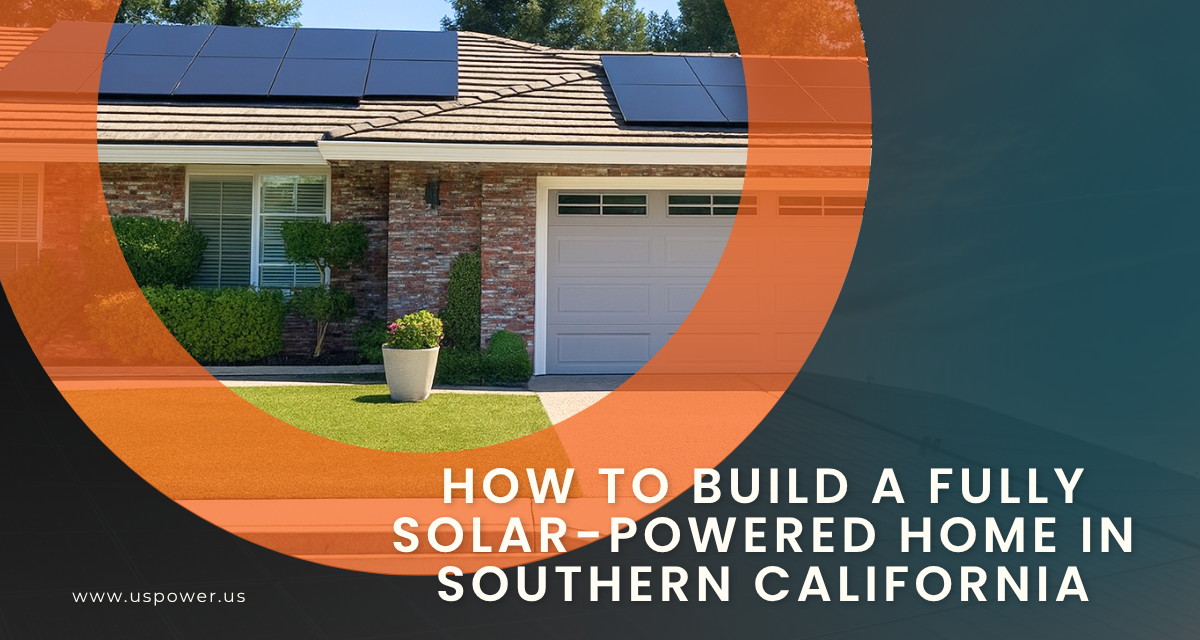
Las tarifas y nuevas políticas impulsan a los hogares de SoCal a usar energía solar.




¿Listo para tomar el control de tu energía? ¡Llámanos hoy!
818-650-8010Licencia de contratista n.º: 1144368

Copyright © 2026 US Power - Axia by QCells. Todos los derechos reservados.
¡Obtenga un presupuesto solar al instante mediante satélite!