

Going solar in California in 2026 costs about $2.52 per watt before incentives, and systems typically pay back in 7 to 8 years at today's rates of 34 to 46 cents per kWh. The federal credit is gone and NEM 3.0 changed the math. Here is what it costs, what still helps, and every step to power on.
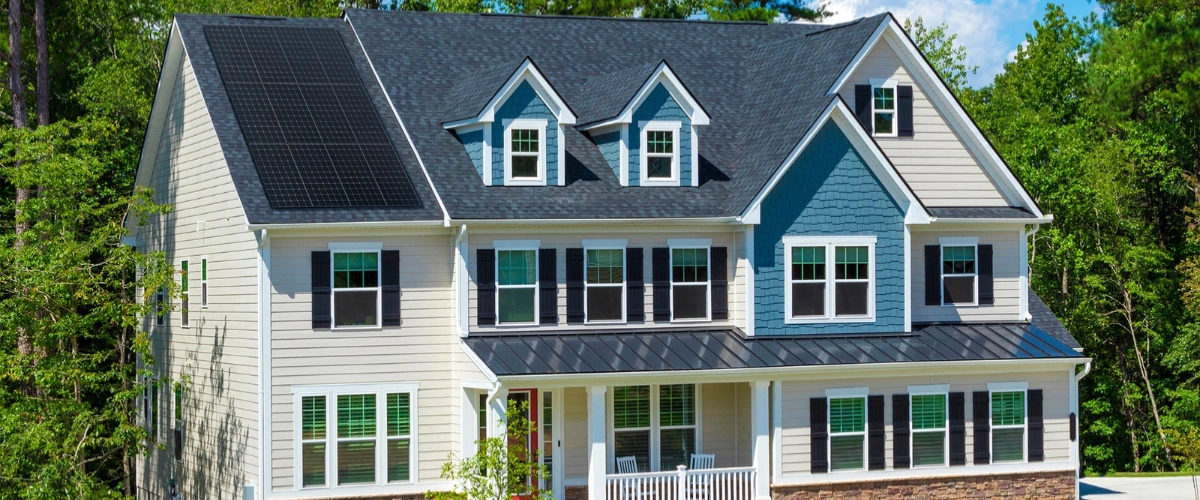
Your electric bill arrives, and it is higher than last summer's again. A neighbor just went solar, a door-to-door rep left a flyer, and you have heard that the federal tax credit is gone. Is going solar in California still worth it, and where do you even start?
This guide answers both questions with current numbers. You will see what each major utility charges in 2026, how NEM 3.0 changes system design, what a typical system costs, which incentives still exist, and every step from your first bill review to the day your system turns on.
For most homeowners, yes. California's big three utilities charge 34 to 46 cents per kWh on average, roughly double the national average. A typical system costs about $2.52 per watt before incentives, and EnergySage's 2026 California data puts average payback near 7.7 years on a system built to last 25 years or more.
Rates differ a lot by utility, and that changes your savings. Here is where each stands.
| Utility | Avg. residential rate | As of | Solar credit rules |
|---|---|---|---|
| SCE | 34.4¢/kWh | June 1, 2026 | NEM 3.0 (avoided-cost exports) |
| PG&E | About 41¢/kWh | Early 2026 | NEM 3.0 (avoided-cost exports) |
| SDG&E | About 46¢/kWh | Spring 2026 (industry estimate) | NEM 3.0 (avoided-cost exports) |
| LADWP | About 26–41¢/kWh by tier | Summer 2026 | Retail-rate net metering |
Rates also move in both directions. PG&E has cut rates five times since early 2024, about 13% in total, while SCE's average jumped about 13% in October 2025 to cover wildfire costs. The long-term trend still points up, with further SCE increases already approved for 2027 and 2028.
SCE, PG&E and SDG&E now add a monthly Base Services Charge of about $24.15 for most households. Solar cannot reduce that charge, but it shrinks the per-kWh portion of your bill, which is still the largest part. It also means even a system sized to cover all of your usage will leave a small monthly bill, so judge any quote by how much of the per-kWh cost it removes.
NEM 3.0, officially the Net Billing Tariff, applies to new SCE, PG&E and SDG&E solar customers. It changed what your extra solar is worth.
Power you send to the grid is now credited at an avoided-cost value that averages roughly 5 to 8 cents per kWh. Power you use yourself avoids the full retail rate, often 34 cents or more. The winning design uses as much of your own solar as possible and stores the rest for the 4 to 9 PM peak.
A battery moves midday solar into the evening, when grid power costs the most, and keeps key circuits running during outages. Our guide to the best home solar battery in 2026 compares the main options. Backup matters more than it used to: a September 2026 heat wave pushed SDG&E to a record 5,209 megawatts of demand, and nearly 15,000 of its customers lost power as local equipment failed. LADWP, Burbank, Glendale and Pasadena run their own net metering rules, so a battery there is mostly about backup.
Price depends on system size, equipment, roof and installer. Statewide averages give you a starting point.
EnergySage's 2026 California data shows an average of $2.52 per watt, or about $21,100 for an 8.4 kW system before incentives. Most quotes fall roughly 15% above or below that average.
Take an SCE home using 800 kWh a month, or 9,600 kWh a year. At about 1,500 kWh per kW of panels in Southern California, that home needs roughly a 6.5 kW system, or 15 modern 430-watt panels. At the statewide average of $2.52 per watt, that is about $16,250 before incentives. For your own address, the US Power solar calculator gives a first estimate, and our guide to how many solar panels a home needs walks through the sizing math.
Owning your system, with cash or a loan, usually delivers the largest lifetime savings and adds value to your home. Leases and power purchase agreements lower or remove the upfront cost in exchange for a monthly payment. Since the residential federal credit expired, some third-party-owned programs still pass the commercial federal credit through their pricing, which can narrow the gap. Compare the total 25-year cost of each option, not just the first monthly payment.
Averages hide the details that decide your savings. Every US Power consultation starts with a real 12-month bill analysis, so your design reflects your utility, rate plan and summer peaks. CSLB-licensed consultants check your roof and shading on site before recommending a system.
The 30% federal residential solar tax credit expired on December 31, 2025. Several California benefits remain.
Under current law, solar systems completed before January 1, 2027 are excluded from property tax reassessment until the home changes hands. After that date, a new system may be assessed as new construction. On the $16,250 system above, a 1.1% effective rate would mean roughly $180 a year in added property tax. An extension bill, AB 2389, stalled in May 2026. Our 2027 solar property tax deadline guide has the details.
Municipal utilities set their own rules. LADWP still credits solar exports at the retail rate, but its solar rebate program ran out of funds in 2018. Some smaller city utilities, such as Burbank Water and Power, have offered their own battery rebates. Ask your installer to check your address, because programs open and close with little notice.
Most ratepayer-funded SGIP battery budgets closed to new applicants at the end of 2025, and the income-qualified budget runs a waitlist. Plan around bill savings and backup, not a rebate. You don't have to pay cash, either: US Power offers loans and other solar financing options, and your consultant can compare them side by side.
Most homeowners are surprised by how many steps happen off the roof. Here is the typical sequence in Southern California.
| Step | What happens | Typical time |
|---|---|---|
| 1. Bill review | 12 months of bills used to size the system | 1 day to 1 week |
| 2. Site assessment | Roof, shading and electrical panel check | 1 visit |
| 3. Design and contract | System design and your approval | 1 to 2 weeks |
| 4. Permit and interconnection | City permit (SolarAPP+ can be same-day) and utility application | Same day to 6 weeks |
| 5. Installation and inspection | Install takes 1 to 3 days, then city inspection | 1 to 3 weeks |
| 6. Permission to Operate | Utility review and PTO | 1 to 6 weeks (SCE batteries often longer) |
Gather 12 months of utility bills. Your consultant uses them to size the system, then checks roof age, orientation, shading and your electrical panel. An older roof or a small main panel is better addressed now than after installation. Many installers recommend replacing a roof with less than about 10 years of life left before adding panels, since removing and reinstalling an array later adds cost. If you are building a new home or ADU, California's Title 24 energy code may already require solar.
After you approve a design, the installer pulls a building permit and files your utility interconnection application. Under SB 379, most California cities and counties must offer automated, real-time permits for residential systems up to 38.4 kW, often through SolarAPP+. The California Energy Commission tracks each jurisdiction's status.
The physical install usually takes 1 to 3 days. After the city inspection passes, your utility reviews the system and issues Permission to Operate. Do not turn the system on before PTO. Here is what it takes to get Permission to Operate and why SCE battery projects often take longer.
The installer you choose matters as much as the panels. It carries the workmanship risk for decades.
Ask for the exact panel model and datasheet, the estimated first-year production in kWh, the full price with no add-ons, and who covers roof leaks or wiring issues years from now. Our comparison of the best solar panels in 2026 shows what the datasheet numbers mean.
Be cautious of any company that pressures you to sign the same day, quotes a price without an estimated kWh production figure, or still promises the 30% federal residential tax credit. Confirm the contractor's license with the Contractors State License Board before signing, and read the cancellation terms. A good consultant answers questions in writing and is comfortable with you taking time to compare.
US Power offers exclusive factory-direct Qcells pricing, roughly 15-20% below typical market pricing, on American-made panels from Georgia. Every system comes with a 25-year comprehensive warranty, and the installation itself typically takes 3 to 4 weeks once the design is approved.
Going solar in California still pays off in 2026, with average rates of 34 to 46 cents per kWh and paybacks near 7 to 8 years. NEM 3.0 rewards systems sized for self-use and paired with storage, and finishing before January 1, 2027 keeps your system out of property tax reassessment.
US Power builds every proposal from your real 12-month bill analysis, prices Qcells panels factory-direct, backs each system with a 25-year comprehensive warranty, and has earned more than 200 five-star Google reviews along the way. To see your own numbers, book your free 12-month bill analysis.
Your bill is the starting point. Solar is the next step.


Installers just exposed the hidden cost of bargain solar. Things you should avoid.
California gives solar buyers three business days to cancel. Know your rights.
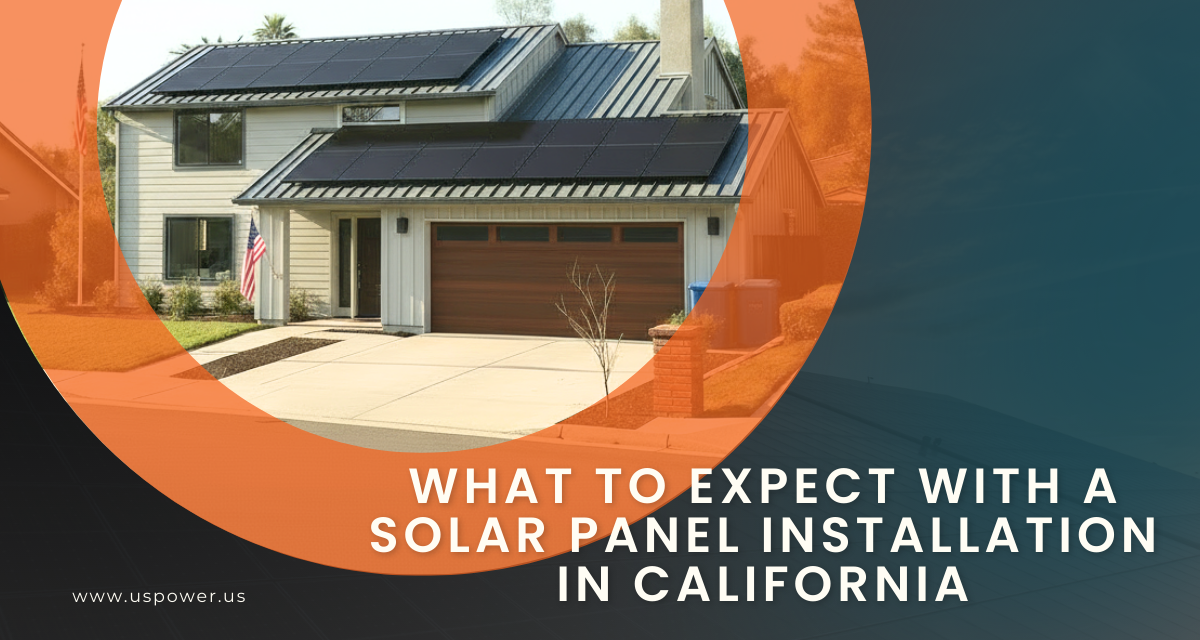
Here’s what California homeowners can expect when switching to solar with US Power.








Copyright © 2026 US Power - Axia by QCells. All Rights Reserved.
Get an instant solar estimate using satellite!