

A 5KW solar system is one of the most popular sizes for Southern California homes. But is it the right fit for yours? This guide breaks down what a 5KW system actually produces in SoCal's climate, how much it costs in 2026, and the key factors that determine whether you need a bigger system — or a battery.
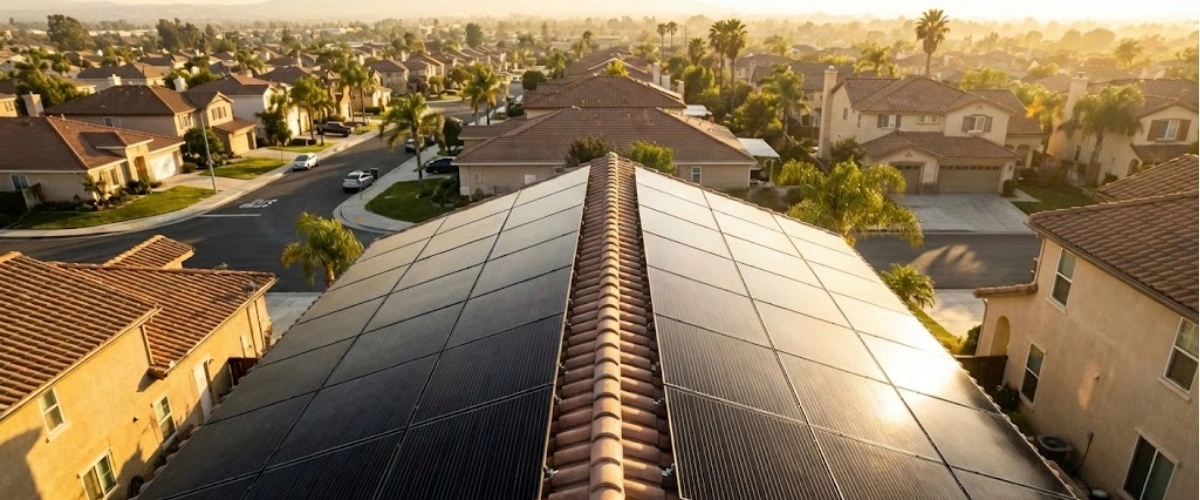
A 5kW system is one of the most popular sizes in Southern California, but whether it is enough depends on your usage, roof, and whether you add a battery. Larger homes may need a bigger system.
Your neighbor just went solar. Their installer told them a 5KW system would cover everything. Now you're wondering: would the same setup work for your house?
It's one of the most common questions Southern California homeowners ask before going solar — and the honest answer is: it depends. A 5KW system is a smart starting point for many homes, but factors like your electricity usage, roof orientation, and whether you're on SCE's NEM 3.0 billing plan can make or break whether it's enough.
This guide explains exactly what a 5KW solar system produces in SoCal's climate, what it costs in 2026, and how to know if you need to size up — before you sign anything.
Southern California Edison rates have climbed steadily over the past decade, and why electricity bills are so high in Southern California is a question more homeowners are researching every month. The average SoCal household now pays between $180 and $320 per month for electricity — and that number keeps rising.
When your bill is that high, system size matters enormously. An undersized solar system won't make a dent. An oversized one wastes money upfront. Getting it right is the difference between a smart investment and a frustrating one.
California's Net Energy Metering 3.0 policy reduced the credit homeowners receive for excess solar energy exported to the grid. Under NEM 2.0, you could afford to overproduce and get good value back. Under NEM 3.0, self-consumption is now the priority.
That means sizing your system to match your actual consumption — rather than maxing out your roof — is more important than ever. A 5KW system may be perfect for one household and completely inadequate for another.
Southern California is one of the best solar markets in the country, with most areas receiving 5.5 to 6.5 peak sun hours per day. A properly installed 5KW system here typically produces:
Compare that to the average electric bill in California, and you'll see that a 5KW system can offset a meaningful portion of most households' usage — but it won't be enough for everyone.
The fastest way to know if 5KW is right for you: look at your last 12 months of SCE bills and find your total annual kWh usage. Divide that number by 1,200 — that gives you a rough estimate of the system size (in kW) you need to offset 100% of your usage.
If your annual usage is around 8,400 kWh, a 7KW system is the better fit. If you're at 6,000 kWh, 5KW may cover you well. Use our detailed guide on how to calculate solar system size to run your own numbers before meeting with a consultant.
A 5KW solar system is typically a strong fit for Southern California homeowners who:
For these households, a well-designed 5KW system can eliminate 80–100% of their SCE bill, leaving only the utility's unavoidable minimum monthly charge.
If any of the following apply to your household, a 5KW system will likely leave you with a significant remaining bill:
In these cases, a 7KW to 10KW system — paired with battery storage — is usually the smarter long-term investment, especially under NEM 3.0's export rate structure.
For a deeper look at how system sizes compare, see our guide on understanding residential solar system sizes.
The 30% federal Investment Tax Credit expired on December 31, 2025. In 2026, SoCal homeowners are working with a different financial picture — which makes upfront pricing and system efficiency more important than ever.
For a quality 5KW system using premium panels in Los Angeles, Orange County, or Ventura County, expect to pay:
Factory-direct pricing — like what US Power offers as California's exclusive QCells partner — can bring costs 15–20% below typical market rates, since panels go from the factory to your roof without distributor markups.
For a full breakdown of what drives pricing, see our guide on solar panels cost in California.
While the federal ITC is gone, several California-specific incentives remain. The SGIP battery rebate program can offset thousands of dollars when adding battery storage. California's solar property tax exclusion also means your home's increased value from solar won't raise your property taxes. A US Power consultant can walk you through every available incentive for your zip code.
Under NEM 3.0, SCE pays homeowners significantly less for solar energy exported to the grid during the day. The credits you earn are roughly 75% lower than under NEM 2.0. That makes sending excess daytime solar power to the grid much less valuable — and storing it in a battery much more beneficial.
A battery allows you to use your solar energy at night, during SCE's peak pricing hours (typically 4–9 PM), instead of buying expensive grid power. For many homeowners, adding a battery turns a good solar investment into a great one.
Learn whether adding battery storage to your solar system makes financial sense for your household and utility plan.
A 5KW solar system paired with a 10 kWh battery (like the QCells Q.Home Core) gives you a powerful combination: solar covers your daytime usage, the battery stores the surplus, and you draw from storage during evening peak hours — dramatically reducing what you owe SCE.
For homes with moderate usage, this setup can achieve near-zero monthly bills even under NEM 3.0. For heavier users, a larger solar system with battery may be the better path.
US Power is Southern California's exclusive QCells partner, which means American-made panels go directly from the factory to your roof. No distributors. No middleman markups. That's how US Power delivers pricing 15–20% below market on the same premium panels that top-rated solar companies charge full price for.
QCells panels are manufactured in Dalton, Georgia — genuinely American-made — and carry a 25-year performance warranty. That's the same quality, at a significantly lower price.
Most SoCal homeowners report waiting months for solar installation after signing a contract. US Power's streamlined process — from permit approval to panels on your roof — is completed in 3–4 weeks. That means you start saving faster.
Our guide to the solar installation timeline in California explains exactly what happens at each stage and how to avoid the delays that plague other installers.
US Power has earned 180+ five-star Google reviews from Southern California homeowners in Los Angeles, Orange County, Ventura, San Bernardino, and Riverside. Every installation comes with a 25-year comprehensive warranty covering panels, workmanship, and performance — not just the equipment.
CSLB-licensed consultants handle your project from the first consultation through your Permission to Operate (PTO). No subcontractors. No surprises on your final bill.
A 5KW system typically requires 12–14 standard QCells panels, each measuring about 3.5 × 5.5 feet. You'll need approximately 300–350 square feet of usable, unshaded roof space.
South-facing roofs produce the most energy in Southern California. West-facing is a strong second option, capturing afternoon sun during SCE's peak pricing hours — particularly valuable under NEM 3.0. East-facing roofs produce roughly 15–20% less than south-facing, which may mean you need a larger system to achieve the same savings.
Before meeting with a US Power consultant, it's worth reviewing a few basics:
US Power's CSLB-licensed consultants will do a full site analysis — virtual or in-person — at no cost, and won't pressure you into a system that doesn't fit.
A 5KW solar system is the right choice for many Southern California households — but only if it's sized to your actual usage. Going too small means you're still writing big checks to SCE. Going too big means you're spending more upfront than necessary.
The smartest move you can make right now is to get a consultation with a licensed solar expert who will look at your actual bills, your roof, and your plans — and tell you the truth about what size system makes sense for your home.
US Power's CSLB-licensed consultants do exactly that. No pressure. No hidden fees. Just transparent pricing on American-made QCells panels, a 25-year warranty, and a 3–4 week installation timeline that actually holds.


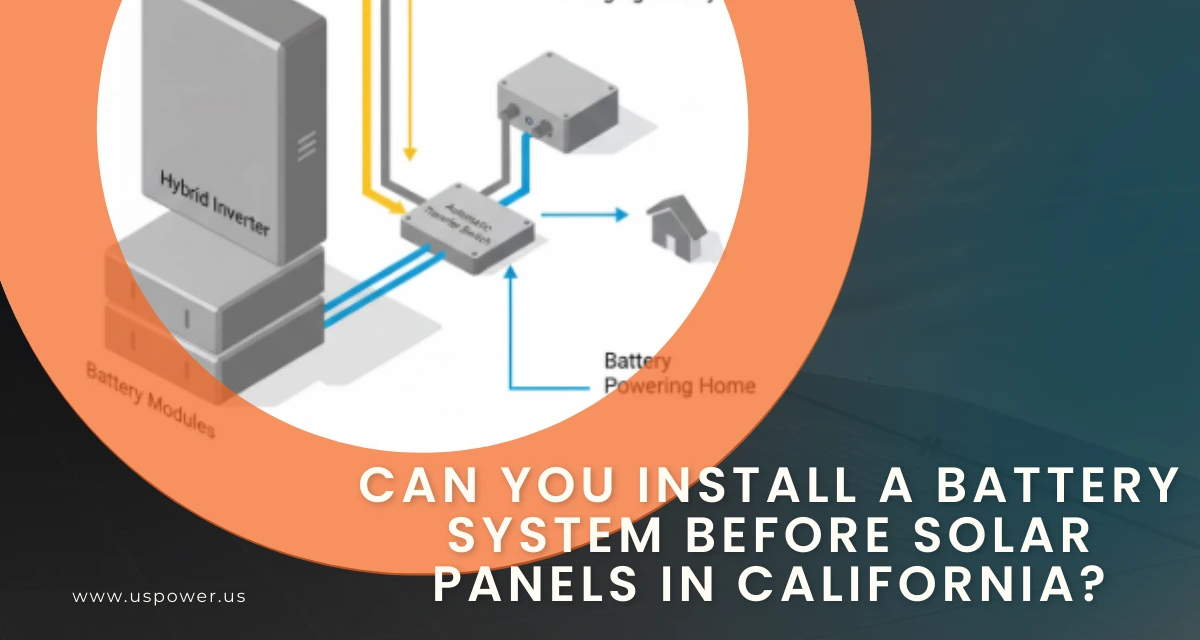
Here's what you need to know about battery-first installations and hybrid inverters.

Check ADU solar rules and Title 24 standards to stay compliant in California.
Maximize solar efficiency by choosing the right panel wiring for California homes.








Copyright © 2026 US Power - Axia by QCells. All Rights Reserved.
Get an instant solar estimate using satellite!