

Should your solar quote include a battery, or is it better to build battery-ready and add storage later? This guide breaks down what changes on a solar and battery system quote, from inverter sizing and interconnection paperwork to financing and pricing, so you can compare a bundled quote against adding a battery as a second project. It also covers how NEM 3.0 export rates and California's SGIP rebate shift the math toward including storage upfront, plus the questions to ask before you sign.
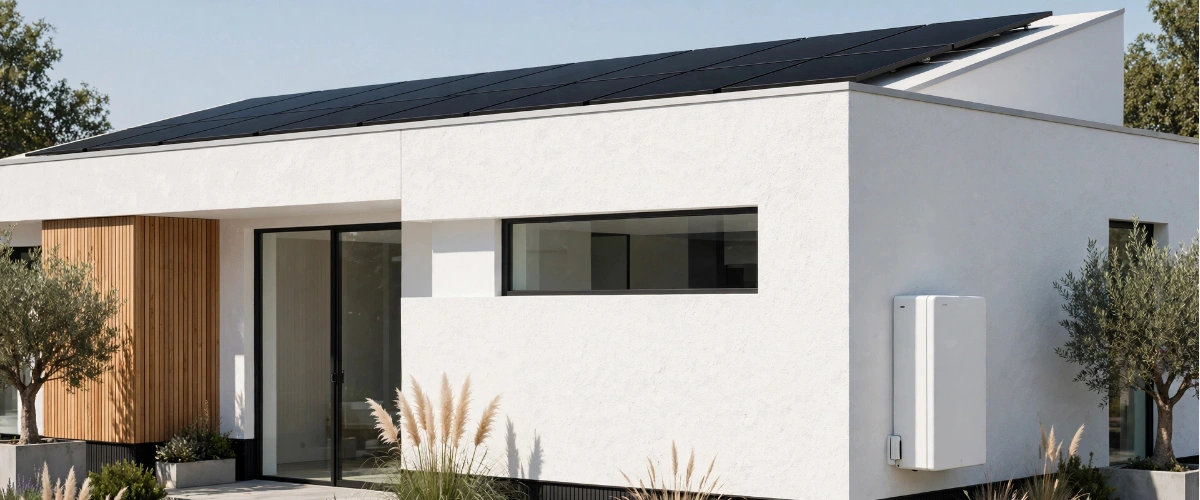
If you have a solar consultation booked, there is a good chance your installer will ask a question that catches you off guard: should this quote cover a solar and battery system together, or just the panels? It feels like a small line item, but the answer changes your system design, your permit paperwork, and your final price before you ever sign. Waiting to decide is not free either, since adding a battery after the fact often means a second permit, a second interconnection filing, and a second visit from your installer. This guide walks through what actually changes on a quote when a battery is included from day one, what to ask before you agree to bundle one in, and when it makes more sense to build now and add storage later. US Power quotes both paths across California, Texas, Florida, and Illinois, so you can compare the real numbers instead of guessing.
Installers ask about batteries early because the answer changes the design they hand you, not because it is an upsell tacked onto the end. A solar and battery system is engineered differently from a solar-only system from the first line on the proposal.
Your installer needs to know before finalizing your quote whether the inverter, the electrical panel, and the wiring should be sized for a battery now or later. Asking upfront lets them size the system once instead of guessing and correcting the design after you have already signed.
Bundling a battery into your original quote usually shares one permit, one interconnection filing, and one crew visit with the solar installation itself. Adding a battery months or years later typically means a second permit application, a second utility interconnection request, and a second mobilization fee for the crew, on top of the battery's own price.
Once a battery enters the conversation, several parts of your quote shift even if you never touch the number of panels on your roof. These are the details worth checking line by line before you decide.
A quote built for a battery-ready solar system typically specs a hybrid inverter or a battery-compatible string inverter from the start, rather than a standard inverter that would need to be replaced later. Your panel count and wattage may shift too, since a system feeding a battery is sometimes sized differently than one built purely to offset your bill through net metering.
Adding storage changes what your installer files with the city and the utility, since a battery requires its own equipment listing and, in most territories, a separate rapid shutdown and disconnect plan on the interconnection application. If that paperwork is bundled into your original quote's timeline, it moves through review with everything else instead of triggering a fresh review cycle on its own.
A quote that includes a battery should also spell out how many kilowatt hours of storage you are getting and which circuits it powers during an outage. A whole-home backup setup and a partial backup covering just your refrigerator, internet, and a few outlets are priced very differently, so the quote should state which one you are buying, not leave it implied.
There is no single right answer for every homeowner, but a short set of questions at the quote stage will tell you which path fits your home and your budget.
Ask what the battery adds to your monthly payment if financed, what it costs as a standalone line item if you are paying cash, and whether the inverter and wiring would need to be swapped if you added a battery later instead. Also ask how outages have affected your area recently, since backup power matters more in some neighborhoods than others. If your installer cannot answer those three questions clearly, that itself is worth noting before you sign anything.
Your financing structure matters too, since rolling a battery into the same loan as your panels usually means one interest rate and one monthly payment, while adding it later often means a separate loan or a cash outlay on top of what you are already paying. Ask your consultant to show you both numbers side by side rather than one blended monthly figure, so you know exactly what the battery itself is costing you each month.
US Power prices a solar and battery system as its own itemized line rather than folding it into a single vague number, so you can see exactly what storage adds to your total.
As an exclusive Qcells partner, US Power quotes Qcells battery storage options at factory-direct pricing that runs 15 to 20 percent below typical market rates, with the battery cost broken out separately from the panels and labor. Every consultant walking you through that number is CSLB-licensed, and the same 25-year warranty coverage that applies to your panels extends to workmanship on the full system, battery included.
Net metering rules changed the math behind this decision for a lot of California homeowners, and that shift is worth understanding before you decide.
Under NEM 3.0 battery storage rules, the credit you earn for power your panels export to the grid during the day is worth far less than it was under older billing, while the electricity you buy back in the evening still costs full price. A battery lets you store that midday production and use it during expensive evening hours instead of exporting it for a small credit, which is why more quotes in NEM 3.0 territory default to including one. Programs like California's SGIP battery rebate can also offset part of that cost if you qualify, on top of any local utility incentive in your area.
The right answer depends on your budget, your area's outage history, and how your utility's export rates treat solar you do not use immediately. A solar and battery system bundled into one quote saves you a second permit, a second interconnection filing, and a second crew visit, but a battery-ready design lets you add storage later without starting from scratch. Either way, ask your installer to price both versions of your quote side by side before you sign, so the decision is based on real numbers rather than a single blended price. That comparison alone tells you whether including a battery now fits your home.


Save on energy and gain shade—here’s why solar carports are trending in SoCal.
Your neighbors are breaking even faster than their installer predicted. Here's why.
Your residential solar panels may be working. Your wallet might not be. Here's why.








Copyright © 2026 US Power - Axia by QCells. All Rights Reserved.
Get an instant solar estimate using satellite!