

Solar panels stop producing the moment the sun goes down or the grid goes out, which is exactly when most homeowners need power most. This guide compares the best battery backup options for Qcells solar systems, including Qcells' own Q.HOME CORE, Tesla Powerwall 3, and other leading brands, so you can choose the right capacity, backup type, and price point for your home in California, Texas, Florida, or Illinois.
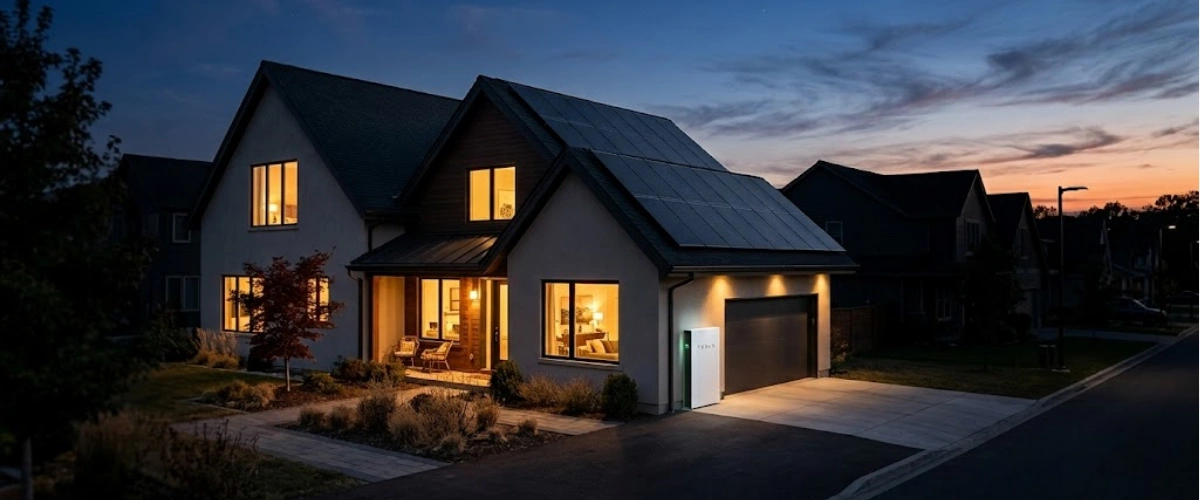
Solar panels feel like independence, until the power goes out and yours shut off too. Most grid-tied solar systems are required to shut down during an outage for safety reasons, leaving your home just as dark as your neighbor's without panels.
That surprises a lot of homeowners. You invested in solar specifically to gain more control over your energy, only to learn panels alone don't deliver backup power during the exact moments you need it most.
With PSPS shutoffs, summer heat waves, and storm-related outages becoming more frequent across California, Texas, Florida, and Illinois, a battery is quickly moving from "nice to have" to essential. Pairing your Qcells panels with the right battery closes that gap.
It's not just about outages, either. Rising utility rates mean the value of storing your own solar power for evening use, instead of pulling from the grid at peak pricing, keeps climbing every year. A battery pays you back twice: once during a blackout, and again every single month on your bill.
Not every battery is built the same way, and not every home needs the biggest one on the market. Choosing between Qcells' own Q.HOME CORE, a Tesla Powerwall 3, or another leading brand comes down to your household's usage, your backup goals, and your budget.
A battery stores the extra solar energy your Qcells panels produce during the day so you can use it later, whether that's at night, during peak utility pricing, or in a blackout. Understanding how solar batteries actually work makes it much easier to compare options intelligently instead of just chasing the biggest number on a spec sheet.
Capacity, measured in kWh, tells you how much energy a battery can store. Power, measured in kW, tells you how many things it can run at once. A battery with high capacity but low power might run your fridge for days but struggle to also start your AC compressor.
This distinction trips up a lot of homeowners comparing quotes side by side. Two batteries can list the same kWh capacity yet perform very differently during an outage if their power output ratings don't match your home's actual load requirements, especially for appliances with high startup demands like well pumps or central air.
Under NEM 3.0 export credit changes, selling excess solar back to the grid pays far less than it used to. That makes storing your own energy for evening use, when rates are highest, more valuable than ever. A right-sized battery isn't just backup insurance anymore. It's become a core part of maximizing your monthly savings.
Here's how the leading batteries that pair with Qcells solar systems actually stack up on capacity, backup capability, and warranty.
Qcells' own Q.HOME CORE system scales from roughly 9 kWh up to 20 kWh in a modular design, and it can deliver 100% of the inverter's rated output to backup your chosen loads during an outage. It carries a 12-year standard product warranty guaranteeing 70% capacity retention after 6,000 cycles. Because it's built by the same manufacturer as your panels, installation and monitoring stay under one system, one app, and one warranty relationship.
For homeowners who value simplicity, that single-manufacturer approach removes a lot of the coordination headaches that come with mixing brands. There's one company to call if something needs service, and no guessing about whether a firmware update on one component will affect compatibility with another.
Plenty of homeowners still choose Tesla Powerwall 3 backup setup or brands like Franklin and Enphase to pair with their Qcells panels. These systems are fully compatible and often chosen for specific strengths, like Tesla's integrated app ecosystem or Enphase's microinverter-based architecture, which some homeowners prefer for panel-level monitoring.
It's worth remembering that battery performance depends partly on how much power your panels can actually send it. How panel output affects battery charging is a detail many quotes skip entirely, but a mismatched inverter-to-panel ratio can mean your battery never charges as fast as its spec sheet suggests.
Choosing between battery brands shouldn't require becoming an electrical engineer first. US Power's technicians are certified across Qcells, Tesla, Enphase, and other leading storage brands, so you get an honest comparison instead of a pitch for whatever the installer happens to stock.
Because US Power isn't locked into a single battery manufacturer, recommendations are based on your home's actual usage and backup goals rather than which brand pays the highest commission. That's paired with factory-direct Qcells panel pricing 15 to 20% below typical market rates.
Getting battery capacity right starts with understanding your home's real energy patterns. AI-powered system sizing factors in your roof's production potential and household consumption data to recommend a battery size that matches how you actually live, not a generic average.
One of the biggest decisions in any battery quote is whether you're backing up your entire home or just the essentials.
Whole home backup keeps everything running during an outage, including your HVAC, appliances, and EV charger. It requires a larger battery, or multiple units stacked together, and comes at a higher upfront cost.
This option makes the most sense for households with medical equipment, home offices that depend on reliable power, or anyone who's experienced a multi-day outage and never wants to go through it again without full coverage.
Partial, or critical loads, backup powers essentials like refrigeration, lighting, and medical equipment while skipping high-draw appliances. It's a more affordable entry point for homeowners who mainly want peace of mind during shorter outages.
Depending on where you live, LADWP battery rebates and similar municipal or utility programs can significantly reduce what you pay out of pocket for either backup configuration. Availability and amounts vary by utility territory, so it's worth checking what applies to your specific address.
Solar panels alone can't keep your home running when you need it most. Pairing your Qcells system with the right battery, whether that's Qcells' own Q.HOME CORE or a trusted third-party brand, closes that gap and puts real control back in your hands.
With utility rates climbing and outages becoming more common across California, Texas, Florida, and Illinois, the value of dependable backup power only grows the longer you wait to install it. The homeowners who get the most out of their system are the ones who size their battery around real usage data, not the ones who guess and hope it's enough when the lights go out.


Check ADU solar rules and Title 24 standards to stay compliant in California.
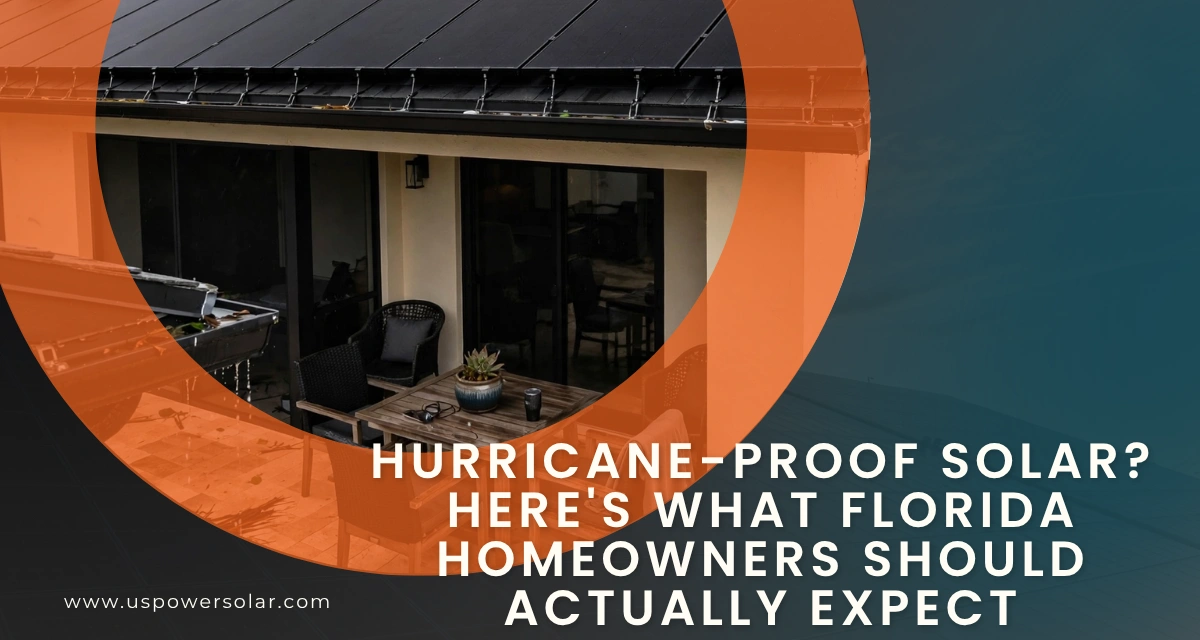
The honest truth about whether solar panels can really survive a hurricane.
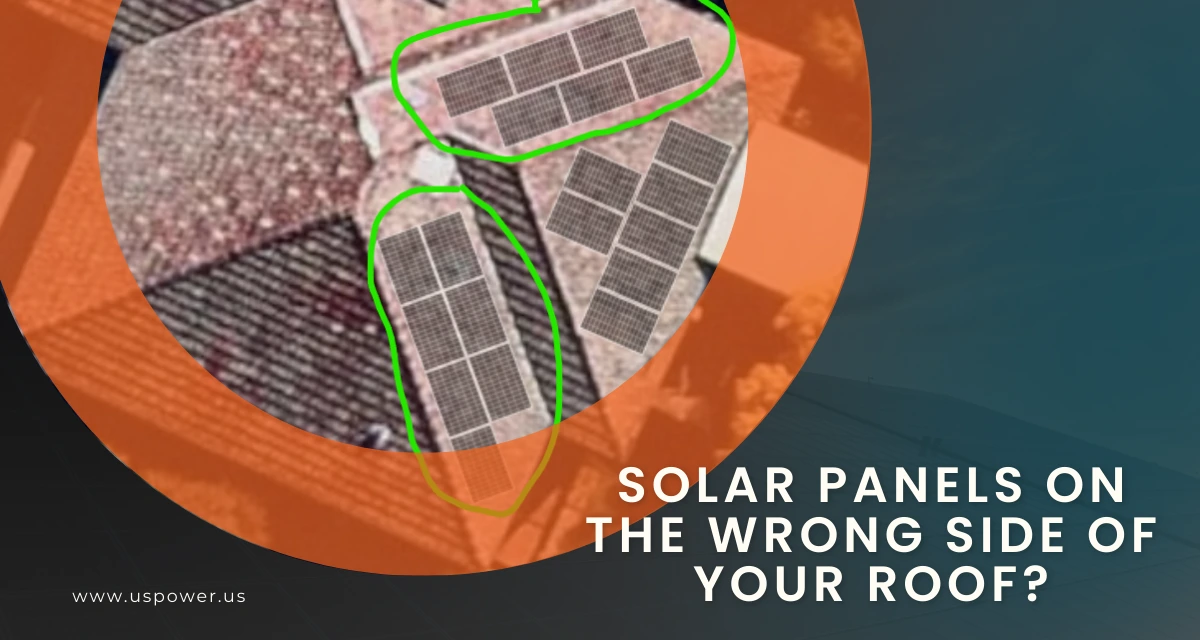
Your home solar panels aren't where you planned. Here's when that's actually fine.








Copyright © 2026 US Power - Axia by QCells. All Rights Reserved.
Get an instant solar estimate using satellite!