

The top-rated solar panels for Sherman Oaks homes in 2026 are N-type panels from Qcells, REC and Maxeon, rated 22.5% to 24% efficient. Summer heat in the Valley cuts output by roughly 8% to 10% on the hottest days, so heat rating matters here as much as brand. This guide shows which panel fits which roof.
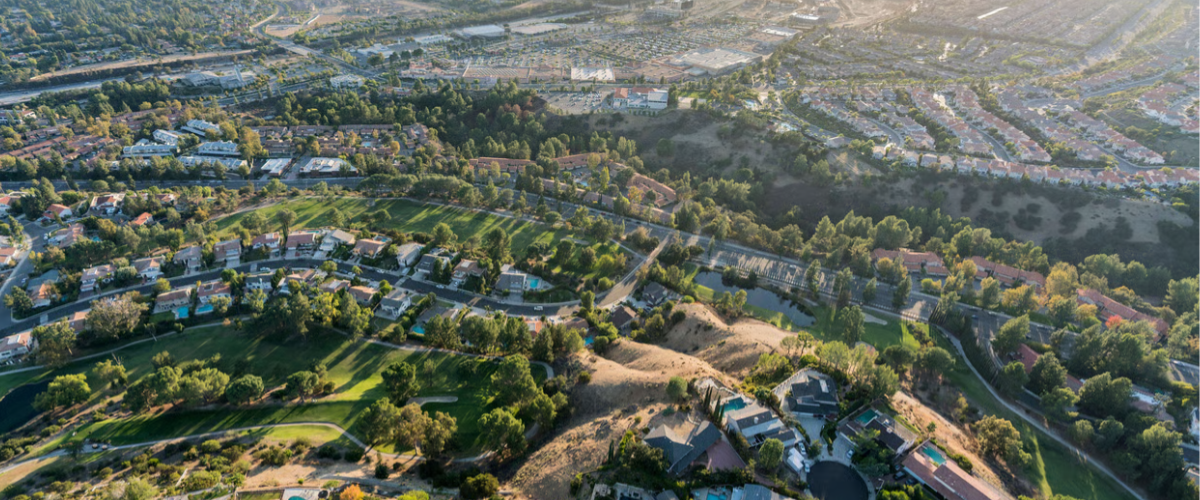
A Sherman Oaks roof works harder than most in Los Angeles. July afternoons in the Valley regularly reach the 90s, many homes run a pool pump and central air all summer, and hillside lots south of Ventura Boulevard come with fire-access rules that shrink usable roof space.
That combination changes which solar panels in Sherman Oaks deliver the best value. This guide compares the top-rated options for 2026 using manufacturer specs, then explains how heat, LADWP billing and your roof type should shape the choice.
The top-rated panels for Sherman Oaks homes in 2026 are N-type panels rated 22.5% to 24% efficient with at least 25 years of warranty coverage. Qcells offers the best overall value, REC handles heat best, and Maxeon produces the most power per square foot.
| Panel | Power | Efficiency | Temp. coefficient | Warranty | Made in |
|---|---|---|---|---|---|
| Qcells Q.TRON BLK M-G2+ | 420–440W | Up to 22.5% | -0.29%/K | 25 yr product + performance | Georgia, USA |
| REC Alpha Pure-RX | 450–470W | Up to 22.6% | -0.24%/°C | 25 yr power (>92% at yr 25) | Singapore |
| Maxeon 7 | Up to 475W | Up to 24.1% | Varies by source | Up to 40 yr (eligible markets) | Varies |
| Silfab Prime SIL-440 QD | 440W | Up to 22.6% | About -0.29%/°C | 25 yr workmanship, 30 yr performance | USA |
| Canadian Solar TOPHiKu6 | Varies | Up to 22.5% | -0.29%/°C | 12 yr product, 30 yr performance | Varies |
Figures come from each manufacturer's current datasheet or product page. For a deeper breakdown of each model, see our full guide to the best solar panels in 2026.
The Q.TRON BLK M-G2+ runs 420 to 440 watts at up to 22.5% efficiency, with a -0.29%/K temperature coefficient and a 25-year product and performance warranty. It is all-black, built in Georgia, and priced well below premium brands. For most Sherman Oaks homes, it delivers the best balance of output, looks and cost.
REC's Alpha Pure-RX reaches 450 to 470 watts and up to 22.6% efficiency, with the best heat rating in this group at -0.24%/°C. REC guarantees more than 92% output in year 25. It is a strong pick for large south-facing roofs that bake from June through September.
Maxeon 7 leads on efficiency at up to 24.1% and offers a 40-year warranty in eligible markets. It costs more, and U.S. availability varies by installer. It makes the most sense on a hillside home where fire setbacks leave only a small section of roof to work with.
Silfab's Prime line is made in the USA, reaches up to 22.6% efficiency and carries a 30-year performance warranty. Canadian Solar's TOPHiKu6 is a budget option at up to 22.5% efficiency, but its 12-year product warranty is the shortest here.
Panasonic exited the solar and battery business in April 2025. It has said it will keep honoring existing warranties, so current owners are covered, but new installs should choose an active manufacturer.
Solar panels are rated at 25°C (77°F) cell temperature. On a sunny roof, cells commonly run about 25°C hotter than the air, and every degree above the rating costs a little output. In Van Nuys, July highs average 85°F to 88°F and can reach the mid-90s, according to Weather Spark climate data.
On a 95°F afternoon, cells can reach about 60°C, or 35 degrees above the rating. A panel at -0.29%/K loses about 10.2% of its rated output at that moment. A panel at -0.24%/°C loses about 8.4%. On a 10 kW system, that gap is roughly 180 watts during the hottest hours, which is also when your air conditioning runs hardest.
Heat rating is not the only factor. Price per watt and warranty terms still matter, and a well-priced Qcells system often wins on total value. The point is to compare heat-adjusted production, not just the wattage on the label.
Microinverters, such as Enphase IQ8-series units, sit under each panel and keep one shaded or hot panel from dragging down the rest. That helps on hillside roofs with several angles and on roofs shaded by mature trees. Ask your installer which inverter they propose and how it handles adding a battery later.
Sherman Oaks is part of the City of Los Angeles, so LADWP is your utility, not SCE. LADWP is not part of the state's NEM 3.0 rules and still credits solar exports at the retail rate, with summer 2026 residential rates running about 26 to 41 cents per kWh by tier. Sizing a system to cover close to 100% of your yearly use usually makes sense. Our Sherman Oaks solar installation page covers local LADWP programs.
Much of the hillside land south of Ventura Boulevard sits in the Santa Monica Mountains, where many parcels fall in a Very High Fire Hazard Severity Zone. Check your address on the state fire hazard severity zone map. LAFD rooftop solar rules also require 3-foot access pathways, which can remove a large share of a small, steep roof.
Many flatland Sherman Oaks homes are mid-century ranch houses with long, low-slope roofs that suit large arrays. Flat sections use tilted racks. A pool pump can add several thousand kWh a year, so it belongs in your sizing from day one. If an older ranch roof is near the end of its life, replacing it before installing avoids paying to remove and reinstall the panels later.
A Sherman Oaks home with central air and a pool might use about 1,200 kWh a month, or 14,400 kWh a year. At roughly 1,500 kWh a year per kilowatt of panels, that calls for about a 9.6 kW system, or 23 panels at 430 watts. A smaller home using 800 kWh a month needs about 15.
For the full math by usage level, see our guide to how many solar panels a Los Angeles home needs, or get a first estimate with the US Power solar calculator.
Every US Power consultation starts with a real 12-month bill analysis, so your panel count reflects summer peaks and pool season, not a neighborhood average. CSLB-licensed consultants also check setbacks, shade and roof condition before recommending a panel.
Because LADWP credits exports at the retail rate, nearly every kWh your system makes is worth what you would otherwise pay. A system covering a 14,400 kWh year at LADWP tier rates of roughly 26 to 41 cents offsets about $3,700 to $5,900 of electricity a year.
At EnergySage's California average of $2.52 per watt, a 9.6 kW system costs about $24,200 before incentives. The 30% federal residential solar tax credit expired on December 31, 2025 for homeowner-owned systems. Under current rules, leased and PPA systems can still carry a federal commercial credit if placed in service by the end of 2027, and providers often pass that value through as lower payments.
US Power offers exclusive factory-direct Qcells pricing, roughly 15-20% below typical market pricing, on American-made panels. Timing matters too: California's solar property tax exclusion only covers systems completed before January 1, 2027. On a Sherman Oaks home, that is worth planning around, and our 2027 property tax deadline guide explains why.
Because LADWP still pays retail for exported solar, a battery in Sherman Oaks is mostly about backup, not bill savings. Hillside streets can face long outages during Santa Ana wind events and heat waves, and a battery keeps the fridge, lights and key circuits running. Compare options in our guide to the best home solar battery in 2026.
Ask each installer for estimated annual production in kWh for your roof, not just panel wattage. That figure already accounts for heat, shade and orientation.
On small or steep roofs, compare how many kilowatts each quote fits after fire setbacks. Higher-wattage panels can close the gap.
Tell your installer about any EV, pool equipment or ADU you plan to add. Adding panels later often costs more than sizing correctly now.
Panel warranties cover the product and its output. Ask separately how long the installer covers workmanship, roof penetrations and leaks.
Cash, loans, leases and PPAs each suit different households. Compare the total 25-year cost of each option, including any credit a lease or PPA provider passes through.
The best solar panels in Sherman Oaks for 2026 are efficient N-type panels from Qcells, REC and Maxeon, and heat rating matters more here than in most of Los Angeles. LADWP's retail net metering makes a well-sized system especially valuable.
US Power builds every design from your real 12-month bill analysis, prices Qcells panels factory-direct, backs each system with a 25-year comprehensive warranty, and typically installs in 3 to 4 weeks once the design is approved. More than 200 five-star Google reviews come from homeowners across Los Angeles. To see which panel fits your home, book your free 12-month bill analysis.
Hot roofs need smart panels. Start with your bill.


Your aging roof doesn't have to delay solar savings any longer. Work with US Power!

Maximize your home solar lifespan and cost savings with Qcells and US Power.
Both have great reviews, the other cost more. Which solar panel is actually worth it?









Copyright © 2026 US Power - Axia by QCells. All Rights Reserved.
Get an instant solar estimate using satellite!