
Lower solar prices in 2026—but quality matters more than ever for SoCal homes
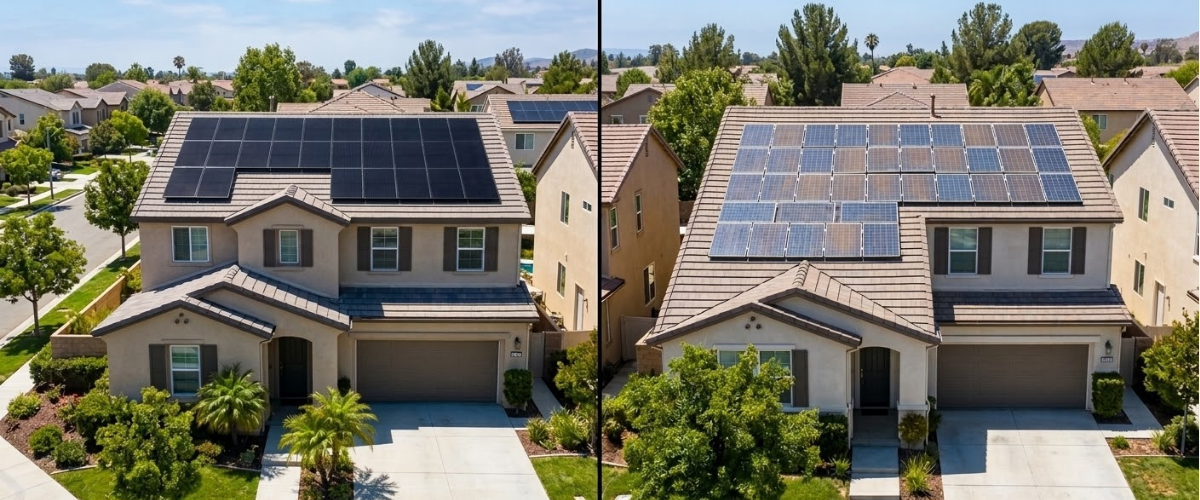
Solar prices are lower in 2026, but quality matters more than ever. Check panel specifications and country of origin, be wary of vague claims, and compare itemized quotes before choosing an installer.
You've probably seen the headlines or heard from a neighbor: solar panel prices are dropping in 2026. And it's true—certain panels are flooding the market at lower prices than we've seen in years. But here's what most Southern California homeowners don't realize: cheaper doesn't always mean better value, especially now that the 30% federal tax credit has ended.
If you're considering solar for your Los Angeles, Orange County, or Ventura home, understanding why some panels cost less—and what that means for your long-term savings—could be the difference between a smart investment and an expensive mistake.
The solar market is experiencing a significant shift, and it's creating opportunities for some homeowners while setting traps for others.
Non-compliant imported panels are flooding the U.S. market in 2026. These panels don't meet the strict quality standards required for certain federal programs, so manufacturers are liquidating inventory at steep discounts. Think of it like buying last season's phone model—it works, but you're missing critical features.
For Southern California homeowners, this creates confusion. When you see ads promising "$15,000 solar systems," they're often using these cheaper imports that may not deliver the performance you need under rising electricity rates in Southern California or the reliability required in our intense summer heat.
Global solar manufacturing ramped up dramatically in 2023-2024, anticipating higher demand. Now there's surplus inventory, and manufacturers need to move older panel models to make room for newer technology. This is legitimate market dynamics—but it doesn't mean every discounted panel is right for your home.
Without the 30% federal tax credit that ended December 31, 2025, the upfront cost of solar matters more than ever. Some installers are cutting corners on panel quality to keep advertised prices low. Others, like US Power, are leveraging factory-direct relationships to offer premium panels at competitive pricing.
Not all solar panels are created equal, and the price difference reveals important distinctions that affect your 25-year investment.
Quality solar panels from established manufacturers include rigorous testing, proven performance data, comprehensive warranties, and reliable customer support. American-made QCells panels go through extensive quality control that ensures they'll produce rated power for decades, even in Southern California's harsh UV conditions.
Cheaper imported panels often lack third-party testing verification, may use lower-grade silicon cells, typically offer limited warranty support, and have higher degradation rates over time. Your panels might produce 15-20% less power by year 10 compared to premium options.
When you buy or lease solar panels, you're betting on 25+ years of performance. A panel that costs $200 less upfront but produces 15% less energy over its lifetime actually costs you thousands more in lost savings and higher utility bills.
Consider this: SCE's average rate is $0.37 per kWh and rising. If your cheaper panels underperform by just 10% over 25 years, you could lose $8,000-$12,000 in expected savings—far more than the initial price difference.
The lower prices might seem like perfect timing, but our unique energy situation demands a more strategic approach.
Southern California Edison and PG&E have increased rates by 32% since 2020, and projections show another 15-18% increase by 2027. This makes your solar system's performance more valuable than ever. Every kilowatt-hour your panels produce is worth more—but only if they're actually producing at rated capacity.
Rising electricity rates in Southern California continue climbing, the "savings gap" between high-efficiency panels and cheaper alternatives widens dramatically. What looks like a $3,000 savings in 2026 becomes a $15,000 loss by 2035.
California's NEM 3.0 policy has fundamentally changed the economics of solar. Export rates to the grid dropped by 75%, making battery storage essential for maximizing savings. This means solar batteries maximize savings under NEM 3.0 is critical—not optional.
Quality panels matter more under NEM 3.0 because you need reliable production to charge your battery during peak sun hours. Underperforming panels mean you're buying more expensive evening electricity from SCE instead of using stored solar power.
The days of "solar-only" systems delivering full value are over in Southern California.
Under NEM 3.0, the value of solar electricity you export to the grid during the day is worth only $0.05-$0.08 per kWh. But that same electricity stored in your battery and used during evening peak hours (when SCE charges $0.45-$0.55 per kWh) is worth 5-7 times more.
This economics shift means your solar panels need to produce enough power to both run your home during the day AND charge your battery for evening use. Underperforming cheap panels can't do both effectively.
Quality American-made panels producing at rated capacity feed reliable power to your home and battery system. This creates the "performance stack" that maximizes your investment: high production during peak sun, full battery charge for evening use, minimal grid dependence during expensive peak hours, and maximum utility bill reduction.
Protecting yourself from low-quality installations requires knowing what questions to ask.
Be cautious if you encounter installers who won't specify panel brand or origin, quotes that are 30%+ below market average, promises of "zero electric bills" without showing calculations, pressure to sign same-day contracts, or vague warranty terms or transferability issues.
These warning signs often indicate you're being offered substandard equipment. Remember: you're making a 25-year investment in your home. Things you must know before going solar can help you identify these issues before signing.
Legitimate quality installers provide transparent pricing breakdowns, specify exact panel models and specifications, show you 25-year production estimates based on your roof, explain warranty coverage in detail, and have CSLB licensing and insurance documentation.
At US Power, every consultation includes detailed specifications for the QCells panels we'll install, warranty documentation, production modeling for your specific roof orientation and shading, and transparent pricing with no hidden fees.
Lower prices don't have to mean lower quality—if you're getting panels directly from the manufacturer.
US Power is the exclusive QCells partner in Southern California, which means we eliminate middleman markups that typically add 15-20% to your system cost. You get American-made QCells panels at prices competitive with inferior imports—but with American manufacturing quality and full warranty support.
Our comprehensive guide to QCells panels explains the rigorous testing and quality control behind every panel we install. This isn't marketing talk—it's why we can offer factory-direct pricing that beats big-box solar companies while delivering superior equipment.
While other companies are dealing with supply chain delays for various panel brands, our exclusive partnership means we have direct access to QCells inventory. This translates to solar installation timeline of just 3-4 weeks from approval to Permission to Operate (PTO)—significantly faster than the industry average of 8-12 weeks.
Fast installation matters in 2026 because every month you delay is another month of high SCE bills. Our streamlined process gets you producing solar power quickly without cutting corners on installation quality.
QCells backs every panel with a comprehensive 25-year warranty covering panels, workmanship, and performance. But here's what matters: QCells has the manufacturing presence and financial stability to honor that warranty in 2040 when you might need it.
Cheap panel manufacturers often disappear within 5-10 years, leaving you with worthless warranty paperwork. With 180+ five-star Google reviews and our partnership with an established American manufacturer, US Power customers have confidence their investment is protected for the full 25 years.
If you're ready to take advantage of 2026's pricing environment, here's how to move forward smartly.
Don't just look at total system price. Request panel specifications and efficiency ratings, warranty terms and transferability, production estimates for your specific roof, and itemized cost breakdowns.
When comparing quotes, a $22,000 system with premium QCells panels and comprehensive warranty often delivers better lifetime value than a $18,000 system with no-name imports that underperform.
While prices are favorable now, don't rush into a bad decision. Quality installations take time for proper permitting, engineering, and utility approvals. Our solar installation timeline shows the realistic timeline from consultation to PTO.
The goal isn't to install tomorrow—it's to install correctly with equipment that will perform for 25+ years.
Without the federal tax credit, your financing terms matter more. US Power works with multiple lenders offering competitive rates for qualified homeowners. The right loan can make premium equipment affordable with monthly payments lower than your current electric bill.
Yes, solar panels are cheaper in certain segments of the market in 2026. But the real question isn't whether panels are cheaper—it's whether you're getting value that will last 25 years while protecting you from rising electricity rates.
Southern California homeowners face a unique energy landscape with NEM 3.0, climbing utility rates, and the end of the federal tax credit. This environment demands strategic thinking, not just bargain hunting.
US Power's factory-direct partnership with QCells gives you the best of both worlds: competitive pricing on American-made panels with proven performance, comprehensive 25-year warranties, and installation expertise backed by 180+ five-star reviews.
The solar companies offering rock-bottom prices today will be gone in five years. The panels on your roof will still be there in 2050. Choose accordingly.


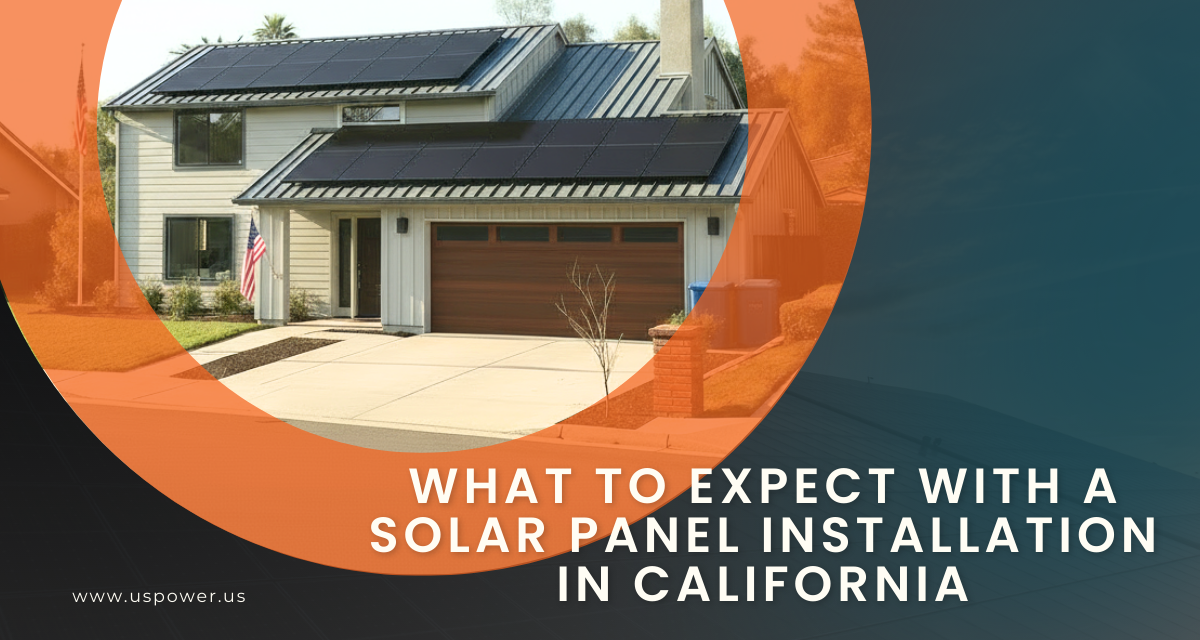
Here’s what California homeowners can expect when switching to solar with US Power.
Found cracks on brand new solar panels? We are here to help protect our customers.
Most homeowners put $0 down on solar, but a small down payment can still pay off.







Copyright © 2026 US Power - Axia by QCells. All Rights Reserved.
Get an instant solar estimate using satellite!