

Los propietarios de viviendas en California que instalan energía solar siempre han disfrutado de una ventaja financiera oculta: el valor añadido de sus paneles no aumenta sus impuestos sobre la propiedad. Esa ventaja desaparece el 1 de enero de 2027, a menos que actúe antes de la fecha límite.
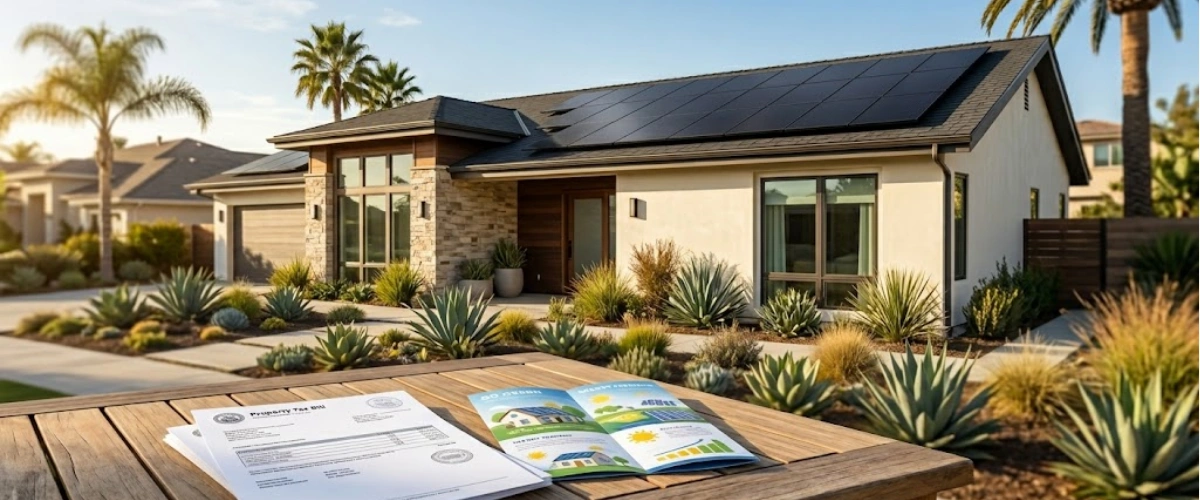
Todavía no, pero eso va a cambiar. Actualmente, los paneles solares están excluidos de la reevaluación del impuesto sobre la propiedad, y dicha exclusión finalizará el 1 de enero de 2027. Un sistema instalado en 2027 o después podría dar lugar a una evaluación más alta.
Si es propietario de una vivienda en California y está pensando en instalar energía solar, existe una fecha límite de la que probablemente nunca haya oído hablar, y podría costarle miles de dólares.
En este momento, instalar paneles solares no aumenta sus impuestos sobre la propiedad. California ha protegido a los propietarios con una exención del impuesto sobre la propiedad solar durante décadas, evitándoles evaluaciones más altas al añadir paneles. Pero esa protección vence el 1 de enero de 2027.
Sin una acción legislativa, cada propietario que instale energía solar después de esa fecha podría enfrentarse a un nuevo "impuesto sobre la propiedad solar": un aumento permanente en su factura anual de impuestos simplemente por optar por la energía verde. En un estado donde las tarifas eléctricas ya se encuentran entre las más altas del país, es un golpe financiero que nadie puede permitirse ignorar.
Esto es lo que está sucediendo, por qué es importante y qué debe hacer antes de que se agote el tiempo.
Desde 1980, los votantes y legisladores de California han protegido a los propietarios de viviendas solares de una penalización financiera específica: un aumento en el impuesto sobre la propiedad provocado por la instalación de paneles solares.
Bajo la exclusión del impuesto sobre la propiedad solar de California, añadir paneles a su hogar no se considera "nueva construcción" a efectos de tasación fiscal. Esto significa que el valor tasado de su vivienda, y su factura de impuestos sobre la propiedad, se mantienen exactamente igual después de la instalación. Es una protección que se ha prorrogado varias veces desde la década de 1980, ahorrando silenciosamente una cantidad significativa de dinero a los propietarios de California cada año.
Los paneles solares suelen añadir entre 15.000 y 25.000 dólares o más al valor tasado de una vivienda en California. Sin la exención, ese valor añadido se gravaría con la tasa estándar del 1% del impuesto sobre la propiedad de California, lo que significa que los propietarios podrían deber entre 150 y 250 dólares adicionales al año en impuestos sobre la propiedad, de forma permanente.
Durante la vida útil de 25 años de un sistema solar, esto suma entre 3.750 y 6.250 dólares en costos evitables, además de su factura de servicios públicos habitual. La exención no es solo una pequeña ventaja; es una parte importante de lo que hace que la energía solar sea financieramente inteligente en California.
La actual exención del impuesto sobre la propiedad solar está redactada en la ley de California bajo la Sección 73 del Código de Ingresos e Impuestos. Esa ley está programada para expirar automáticamente el 1 de enero de 2027, a menos que la legislatura estatal vote para extenderla.
Hay un proyecto de ley sobre la mesa. El AB 2389, presentado por la asambleísta Irwin, extendería la exención hasta 2031 para sistemas solares residenciales y de pequeños comercios en azoteas. La Solar Rights Alliance y los defensores de la energía solar en todo el estado están presionando fuertemente para obtener un voto a favor. Pero, a día de hoy, nada está garantizado.
Si los legisladores no actúan, las consecuencias serán inmediatas y permanentes para quienes adopten la energía solar. Cualquier propietario que instale paneles solares después del 31 de diciembre de 2026 enfrentará una evaluación de impuestos a la propiedad más alta, basada en el valor añadido de sus paneles.
Los propietarios que ya cuentan con energía solar están protegidos: su exención se mantiene vigente hasta que cambie la titularidad de la propiedad. Pero cualquiera que espere hasta 2027 para instalar paneles solares perderá esa protección por completo.
La expiración de la exención no ocurre de forma aislada. Los propietarios en California también están lidiando con algunos de los aumentos en las tarifas de servicios públicos más agresivos del país. Entender por qué las facturas de electricidad son tan altas en el sur de California es el primer paso, pero tomar medidas es el segundo.
Los clientes de SCE experimentaron un aumento de tarifa del 12.9% a finales de 2025. La factura residencial promedio de Southern California Edison para un hogar que consume 500 kWh al mes aumentó de aproximadamente $171 a más de $193 mensuales. Las tarifas residenciales de SDG&E se acercan a los $0.397 por kWh, situándose entre las más altas de Estados Unidos.
Los clientes de PG&E pagan actualmente más del doble del promedio nacional por la electricidad. Durante la última década, las tarifas eléctricas en California han aumentado más rápido que la inflación y más rápido que en prácticamente cualquier otro estado. Los costos de mitigación de incendios forestales, las mejoras en la infraestructura y los nuevos mandatos de la red eléctrica están integrados en su factura mensual, y esas presiones no van a desaparecer.
Pasarse a la energía solar ahora significa fijar sus costos de energía antes de la próxima ronda de aumentos de tarifas. Cada mes que espera es otro mes en el que paga el precio completo a la compañía eléctrica.
Si instala energía solar y recibe el Permiso para Operar (PTO) antes del 1 de enero de 2027, su sistema calificará para la exención de impuestos a la propiedad, independientemente de lo que decida la legislatura. El valor tasado de su vivienda se mantendrá igual. Sus impuestos a la propiedad no cambiarán. La exención acompaña a su vivienda hasta que cambie de propietario, brindándole décadas de protección.
Incluso si la AB 2389 se aprueba y extiende la exención hasta 2031, actuar ahora le da ventaja. Comenzará a generar ahorros desde el primer día en lugar de esperar meses a que haya disponibilidad para una instalación. Antes de comprometerse, asegúrese de haber revisado lo que debe saber antes de instalar energía solar en California, incluyendo permisos, el estado de su techo y los cambios en la facturación bajo NEM 3.0.
Si está añadiendo una batería a su sistema solar, el programa SGIP de California aún puede ayudarle a compensar los costos. Los reembolsos de baterías SGIP de California están disponibles para sistemas de almacenamiento que califiquen y pueden reducir significativamente su inversión de bolsillo. Bajo NEM 3.0, combinar una batería con sus paneles solares maximiza el autoconsumo y los ahorros nocturnos, haciendo que el almacenamiento sea una incorporación inteligente en lugar de un extra opcional.
US Power es el socio exclusivo de QCells en California, lo que significa que usted obtiene paneles fabricados en EE. UU. a precios directos de fábrica, entre un 15% y un 20% por debajo de las tarifas del mercado. La mayoría de las empresas solares compran paneles a través de distribuidores y les añaden un margen de beneficio. US Power compra directamente a la fábrica de QCells y le traslada esos ahorros directamente a usted.
Esa ventaja en el precio es aún más importante ahora. Con la exención de impuestos a la propiedad en juego, cada dólar que ahorre en la instalación acorta su período de recuperación y aumenta su retorno a largo plazo.
La fecha límite de 2027 parece lejana, pero la instalación de paneles solares no es inmediata. Entre el diseño, los permisos, la coordinación con la compañía eléctrica y la inspección final, el plazo de instalación solar en California suele durar varias semanas en condiciones normales. A medida que se acerque la fecha límite de 2027, los retrasos en las instalaciones en toda California aumentarán, tal como ocurrió antes de que expirara el crédito fiscal federal a finales de 2025.
US Power completa las instalaciones de forma constante en 3 a 4 semanas tras la aprobación, más rápido que la mayoría de la competencia. Nuestros consultores con licencia de la CSLB gestionan cada paso, y una garantía integral de 25 años cubre los paneles, la mano de obra y el rendimiento.
No hay tarifas ocultas, ni costos sorpresa al firmar, ni tácticas de venta agresivas. US Power ha obtenido más de 200 reseñas de cinco estrellas en Google de propietarios en California que valoraron saber exactamente lo que estaban adquiriendo y recibir la instalación a tiempo. Obtenga más información sobre cómo los paneles solares aumentan el valor de su hogar y por qué la exención del impuesto sobre la propiedad hace que ese aumento de valor sea totalmente neutro desde el punto de vista fiscal.
El crédito fiscal federal del 30% para energía solar expiró el 31 de diciembre de 2025. Sin embargo, los propietarios de viviendas en California aún cuentan con incentivos importantes. La exención del impuesto sobre la propiedad, la que expira en 2027, es una de las más valiosas. Además, el programa de reembolsos para baterías SGIP ofrece miles de dólares de devolución en sistemas de baterías domésticas que cumplan los requisitos. Algunas empresas de servicios públicos locales también ofrecen reembolsos adicionales por instalaciones solares y de almacenamiento.
La clave es actuar mientras estos programas sigan activos. Cada mes que pasa reduce el margen de tiempo. Para obtener un desglose completo del plazo de instalación solar explicado para los propietarios de California, US Power puede guiarle sobre lo que se aplica exactamente a su hogar y ubicación.
Absolutamente, y las cuentas son claras. Con las tarifas de SCE un 12.9% más altas y las facturas de PG&E superando el doble del promedio nacional, el ahorro que genera la energía solar es mayor que nunca. ¿Vale la pena la energía solar en 2026 sin el crédito fiscal? La mayoría de los propietarios en California siguen viendo periodos de recuperación de la inversión de 6 a 9 años, seguidos de más de 15 años de ahorro puro.
La exención del impuesto sobre la propiedad hace que esas cuentas sean aún más favorables. Sin ella, cada dólar de valor añadido a la vivienda por la energía solar se convierte en una carga fiscal pequeña pero permanente. Al asegurarla antes de 2027, su inversión solar queda totalmente protegida.
Sí. El crédito fiscal federal expiró a finales de 2025, pero la exención estatal del impuesto sobre la propiedad, los reembolsos para baterías SGIP y varios incentivos de las empresas de servicios públicos locales siguen vigentes. El más urgente es la propia exención del impuesto sobre la propiedad, que desaparece el 1 de enero de 2027 a menos que la ley AB 2389 la prorrogue.
La exención del impuesto sobre la propiedad para energía solar ha protegido discretamente a los propietarios de California durante más de 40 años. El 1 de enero de 2027, esa protección expira y, con ella, una parte importante de la ventaja financiera de la energía solar desaparece para quienes esperen demasiado.
No necesita arriesgarse a lo que decida Sacramento. Instale antes de la fecha límite, asegure la exención de forma permanente y comience a reducir sus facturas de servicios públicos al mismo tiempo. Con el plazo de instalación de 3 a 4 semanas de US Power, todavía está a tiempo, pero esa ventana se está cerrando rápidamente.


Los dueños de casas en Los Ángeles comparan paneles. Deben comparar empresas.
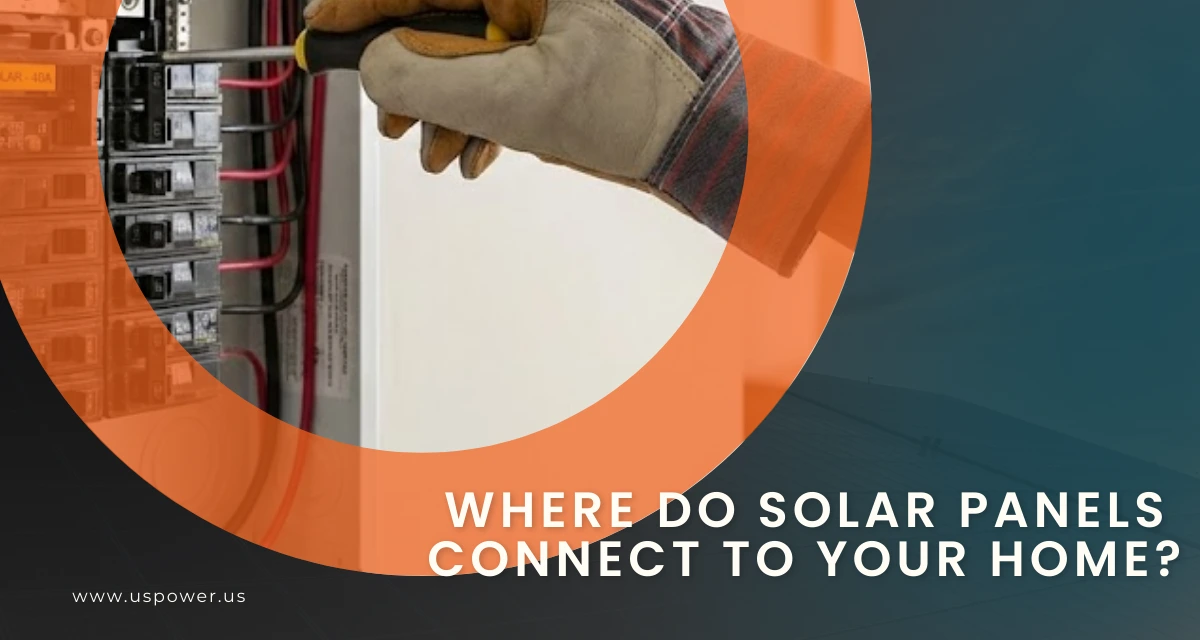
Conocer los puntos de conexión solar es vital. ¡La seguridad es lo primero!
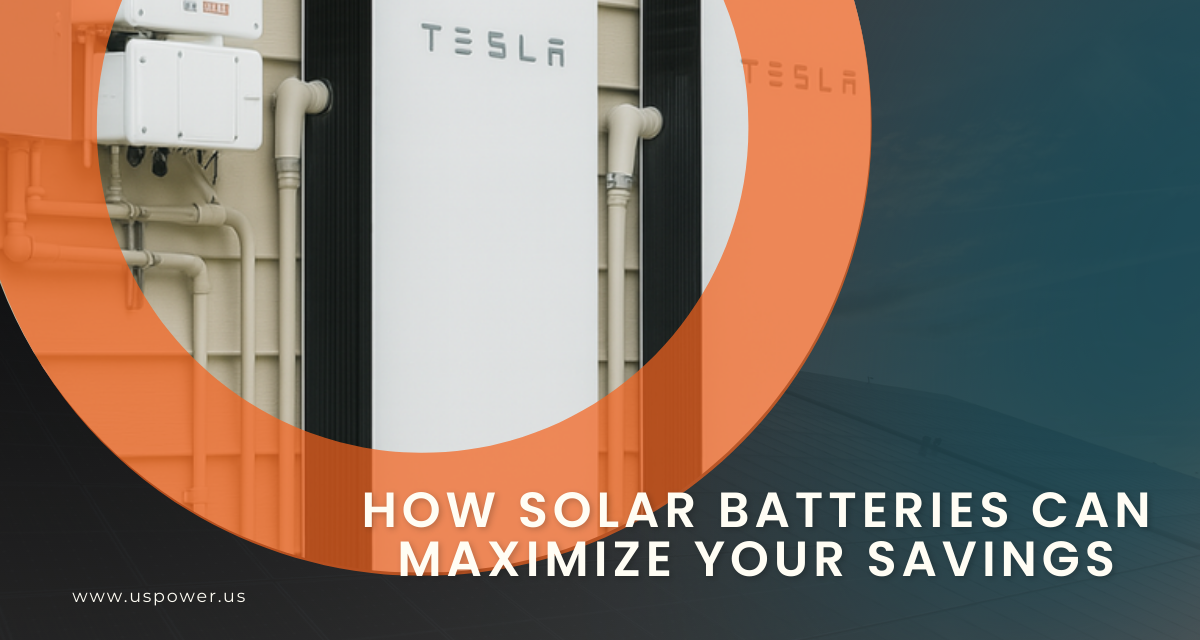
Cuándo una batería es rentable, cuándo no y cómo elegir el tamaño adecuado para ti.







¿Listo para tomar el control de tu energía? ¡Llámanos hoy!
818-650-8010Licencia de contratista n.º: 1144368

Copyright © 2026 US Power - Axia by QCells. Todos los derechos reservados.
¡Obtenga un presupuesto solar al instante mediante satélite!