
¿Dudas entre paneles solares QCells y REC en 2026? Este análisis comparativo cubre la eficiencia, la garantía, el rendimiento térmico y el valor real para que tomes la mejor decisión para tu hogar.
En 2026, ambas marcas alcanzan una eficiencia máxima del 22,5 % en sus modelos principales. La gama más amplia de REC ofrece un promedio ligeramente superior, pero para la mayoría de los propietarios con suficiente espacio en el tejado, la diferencia real es mínima.
Tu factura de electricidad no deja de subir y has decidido que la energía solar es la solución. Ahora llega la parte que confunde a la mayoría de los propietarios: decidir qué paneles instalar realmente en el tejado. QCells y REC son dos de los nombres más respetados en el sector residencial y aparecen constantemente en los presupuestos de los instaladores en California, Texas, Florida e Illinois. Ambos son excelentes, pero se basan en puntos fuertes, precios y enfoques tecnológicos diferentes que cobran mayor o menor importancia según tu tejado, el clima y tu presupuesto. Esta guía analiza cada especificación que realmente influye en tus ahorros a largo plazo.
QCells se fundó en Alemania en 1999 y actualmente pertenece al conglomerado surcoreano Hanwha Group. Su planta de fabricación en Dalton, Georgia, es la fábrica de paneles solares más grande del hemisferio occidental, y es de donde provienen la mayoría de los paneles residenciales vendidos a través de US Power. Esa base de fabricación estadounidense es relevante en 2026: elimina el riesgo de aranceles asociado a los paneles importados y proporciona una cadena de suministro más estable.
QCells ofrece actualmente tres líneas de productos residenciales: el Q.PEAK DUO BLK ML-G10+ (su panel de batalla con mejor relación calidad-precio), el Q.TRON BLK M-G2+ (su línea más reciente con tecnología N-type TOPCon) y el Q.TRON XL-G2/BFG (un panel bifacial de grado comercial). Para la mayoría de los propietarios que comparan QCells con REC, los modelos relevantes son las series Q.PEAK DUO y Q.TRON.
REC se fundó en Noruega en 1996 y ahora es propiedad de Reliance Industries, uno de los conglomerados industriales más grandes del mundo. Sus paneles se fabrican en una planta altamente automatizada en Singapur. La línea residencial insignia actual de REC es la serie Alpha Pure, que utiliza tecnología de heterounión (HJT) y se posiciona como un producto de rendimiento premium. El Alpha Pure-RX es su modelo residencial superior, que ofrece la mayor eficiencia y el mejor coeficiente de temperatura del sector en un panel convencional.
REC goza de una sólida reputación entre los instaladores y se clasifica constantemente entre las marcas premium más solicitadas en el mercado de EnergySage. La contrapartida es el coste: los paneles REC tienen un precio significativamente más alto que los de QCells.
El Q.PEAK DUO BLK ML-G10+ utiliza tecnología de células Mono PERC con el diseño patentado Q.ANTUM DUO Z de QCells, que aumenta la eficiencia al eliminar los espacios entre las células. Dependiendo de la potencia, los índices de eficiencia de este modelo oscilan entre el 20,4% y el 21,1%. La serie más reciente, Q.TRON, da el salto a la tecnología N-type TOPCon, elevando la eficiencia al 22,5%: un avance significativo que lo sitúa en competencia directa con alternativas premium.
Para la mayoría de los propietarios con suficiente espacio en el tejado, el rango de eficiencia del Q.PEAK DUO es más que suficiente para cubrir sus necesidades energéticas. El Q.TRON es más recomendable cuando el espacio en el tejado es limitado y necesitas extraer la máxima potencia de cada metro cuadrado.
El REC Alpha Pure-RX ofrece una eficiencia del 22,5% mediante la tecnología de heterounión (HJT) con el diseño de celdas sin espacios de REC. Los modelos estándar Alpha Pure-R tienen una eficiencia que oscila entre el 21,6% y el 22,3%. Los paneles HJT combinan las ventajas del silicio cristalino y la tecnología de película delgada, lo que permite a REC alcanzar simultáneamente una alta eficiencia y un coeficiente de temperatura excepcional.
En una comparación directa, el Alpha Pure-RX iguala la eficiencia máxima del Q.TRON con un 22,5%, mientras que la línea más amplia Alpha Pure de REC supera al Q.PEAK DUO de QCells. Para los propietarios con techos pequeños o altas demandas energéticas, esa diferencia se traduce en ganancias reales de producción.
Todo panel solar pierde potencia a medida que se calienta. El coeficiente de temperatura indica exactamente cuánto, expresado como un porcentaje de pérdida de potencia por cada grado Celsius por encima de los 25°C. La mayoría de los techos residenciales alcanzan habitualmente entre 50°C y 65°C en las tardes de verano en California, Texas y Florida. La diferencia entre un panel con una clasificación de -0,24%/°C y uno de -0,34%/°C no es un error de redondeo. Se traduce en varios puntos porcentuales de producción cada día caluroso, acumulándose a lo largo de 25 años.
La serie Q.PEAK DUO tiene un coeficiente de temperatura de -0,34%/°C, que es mejor que el promedio de la industria de aproximadamente -0,38%/°C, pero significativamente inferior al mejor de REC. El diseño TOPCon tipo N del Q.TRON mejora este aspecto, aunque QCells no publica una cifra drásticamente menor para esa serie. Los modelos Alpha Pure-RX y Alpha Pure-R de REC alcanzan los -0,24%/°C, el mejor coeficiente de temperatura disponible hoy en día en un panel residencial convencional.
Para la instalación solar en California y los paneles solares en Texas, donde las temperaturas del techo en verano superan regularmente los 140°F (60°C), la ventaja térmica de REC se traduce en un 3 a 4% más de producción de energía en los días pico de verano en comparación con los competidores de tecnología PERC. A lo largo de 25 años en un clima cálido, esto se convierte en una diferencia de producción significativa.
El Q.PEAK DUO BLK ML-G10+ cuenta con una garantía de producto y rendimiento de 25 años. El rendimiento garantiza al menos el 98% de la potencia nominal en el primer año, con una degradación máxima del 0,5% anual, y al menos el 86% de la potencia nominal al año 25. La línea comercial Q.TRON XL-G2 amplía esto a una garantía de rendimiento de 30 años con una tasa de degradación anual del 0,33%, lo cual es competitivo con cualquier panel del mercado en su rango de precio.
QCells es financieramente estable; la escala de Hanwha Group proporciona un respaldo genuino para las reclamaciones de garantía a largo plazo, lo cual es importante cuando se depende de la cobertura dentro de dos décadas.
El Alpha Pure-RX cuenta con una garantía de producto de 25 años con una garantía de rendimiento del 92% al año 25, basada en una tasa de degradación anual del 0,25%. Esa garantía al año 25 es significativamente más sólida que el 86% de QCells en el Q.PEAK DUO. A través del programa ProTrust de REC, los propietarios que utilizan un instalador certificado por REC pueden extender la cobertura a 30 años y añadir protección de garantía laboral, lo que significa que REC cubre los costos de retiro y reinstalación si es necesario reemplazar un panel, un gasto que la mayoría de las garantías estándar excluyen por completo.
REC es propiedad de Reliance Industries, uno de los conglomerados industriales más grandes del mundo con más de 109 mil millones de dólares en ingresos anuales, lo que proporciona un sólido respaldo financiero para las reclamaciones de garantía.
Aquí es donde la comparación se inclina decisivamente a favor de QCells. El Q.PEAK DUO BLK ML-G10+ promedia entre 2,80 y 2,95 dólares por vatio en el costo del sistema instalado, la mejor relación precio-rendimiento disponible en la energía solar residencial convencional. El Q.TRON tiene un ligero sobreprecio por su tecnología TOPCon más reciente, pero se mantiene muy por debajo de los precios de REC.
El precio del sistema instalado REC Alpha Pure-RX suele oscilar entre 3,20 y 3,80 dólares por vatio. En un sistema estándar de 8 kilovatios, esa diferencia de precio entre QCells y REC puede variar de 4.000 a 6.000 dólares. Dado que el crédito fiscal residencial federal ya no está disponible para las instalaciones de 2026, esa diferencia de costo inicial tiene más peso que en años anteriores.
Para los propietarios que consideran opciones de financiación solar en 2026, un menor coste del sistema significa una cuota mensual de préstamo más baja, lo que influye directamente en que la energía solar genere un flujo de caja positivo desde el primer día.
La mayoría de los instaladores compran paneles a distribuidores y le trasladan ese margen a usted. La asociación exclusiva de US Power con QCells elimina por completo a ese intermediario, ofreciendo precios de QCells directos de fábrica que están entre un 15 y un 20% por debajo de las tarifas habituales del mercado. Para un propietario en California, Texas, Florida o Illinois, esto significa obtener paneles de Nivel 1 fabricados en EE. UU. a un precio que supera a la mayoría de las ofertas de otros instaladores.
Existe la tentación de buscar siempre la cifra de eficiencia más alta. Bajo la normativa NEM 3.0 en California —donde el valor de la energía solar proviene principalmente del autoconsumo en lugar de la exportación—, lo que más importa es cuánta energía producen sus paneles durante toda la vida útil del sistema. La tasa de degradación y el rendimiento ante la temperatura son tan importantes como la eficiencia máxima, ya que estos dos factores determinan qué tan cerca de ese pico operan realmente sus paneles día tras día durante 25 años.
Entender su estrategia de baterías bajo NEM 3.0 y cómo interactúa con la elección de sus paneles es una conversación que vale la pena tener antes de firmar nada.
La mayor eficiencia, la menor degradación y el rendimiento superior ante el calor de REC se traducen en una ventaja real de producción a lo largo de 25 años, especialmente en mercados con altas temperaturas. Si el espacio de su tejado es muy limitado, si se encuentra en un mercado como San Diego o Phoenix donde el calor extremo es constante, o si es un comprador al contado centrado en maximizar la producción a largo plazo por metro cuadrado, el sobreprecio de REC puede justificarse por la diferencia en la producción.
Para la mayoría de los propietarios en los cuatro estados donde opera US Power, los modelos Q.PEAK DUO o Q.TRON ofrecen todo lo necesario para obtener un ahorro sólido a largo plazo con un coste inicial significativamente menor. Esa ventaja en el coste se traduce directamente en una recuperación de la inversión más rápida, un mejor flujo de caja en un sistema financiado y menos capital inmovilizado en equipos. Además, la fabricación estadounidense de QCells elimina la exposición a los aranceles que conllevan los paneles importados en el entorno comercial de 2026.
Como socio exclusivo de QCells en California, Texas, Florida e Illinois, US Power instala paneles QCells cerca de usted a precios directos de fábrica que la mayoría de la competencia no puede igualar. Esta asociación también significa una cadena de suministro más eficiente, entregas más rápidas y equipos de instalación certificados y formados específicamente en productos QCells, lo que afecta directamente a su plazo y proceso de instalación desde la firma del contrato hasta la puesta en marcha.
La garantía integral de 25 años de US Power cubre los paneles, la mano de obra y el rendimiento del sistema, no solo el equipo. Esa distinción es importante. La garantía del fabricante cubre el panel. La garantía integral de instalación cubre lo que sucede si algo sale mal con la forma en que se instaló ese panel en su tejado. Con más de 200 reseñas de cinco estrellas en Google y consultores con licencia CSLB en cada proyecto, la responsabilidad está garantizada en cada paso del proceso.
Tanto QCells como REC fabrican excelentes paneles solares residenciales. REC destaca ligeramente en rendimiento ante la temperatura, garantías de producción al año 25 y profundidad de la garantía; ventajas que se acumulan a lo largo de 25 años en climas cálidos. QCells gana en coste inicial, fabricación estadounidense y valor general por dólar invertido. Para la mayoría de los propietarios en California, Texas, Florida e Illinois, QCells ofrece todo lo necesario para un ahorro sólido a largo plazo a un precio que acelera la recuperación de la inversión y mejora el flujo de caja.
La respuesta correcta para su hogar depende de su tejado, su clima y su presupuesto, no de una clasificación en una hoja de especificaciones. Una consulta solar gratuita con un experto de US Power elimina todas las dudas.


La próxima revolución solar se acerca. Pero tu factura de luz no puede esperar.
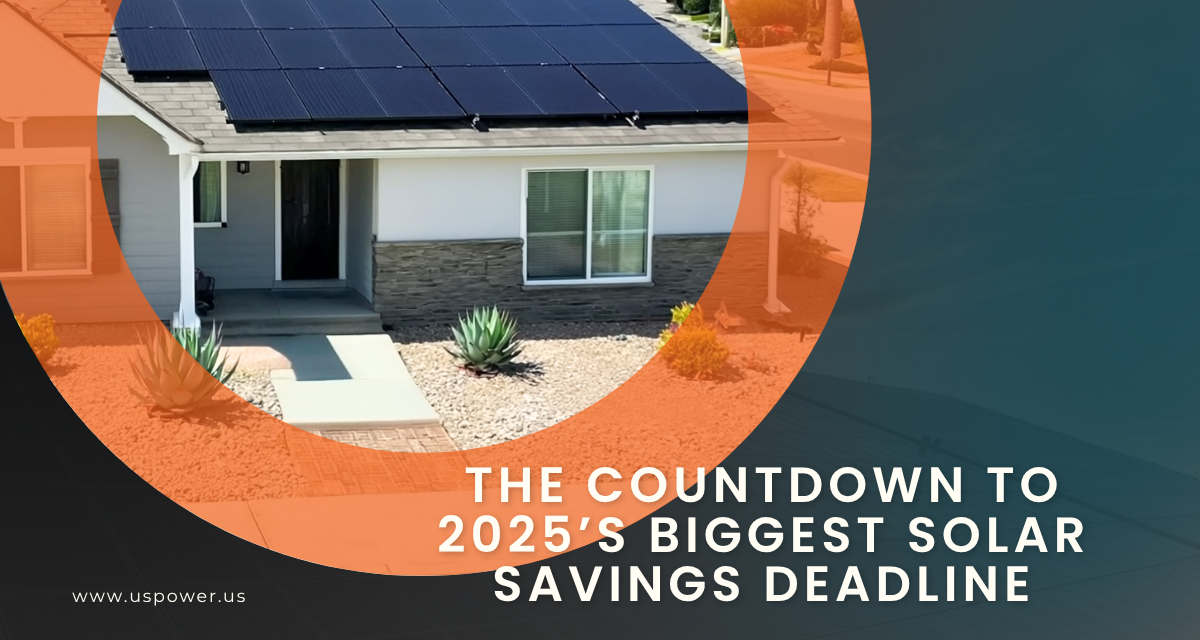
Última oportunidad: 30% de ahorro solar. Reserva tu consulta GRATUITA hoy mismo.
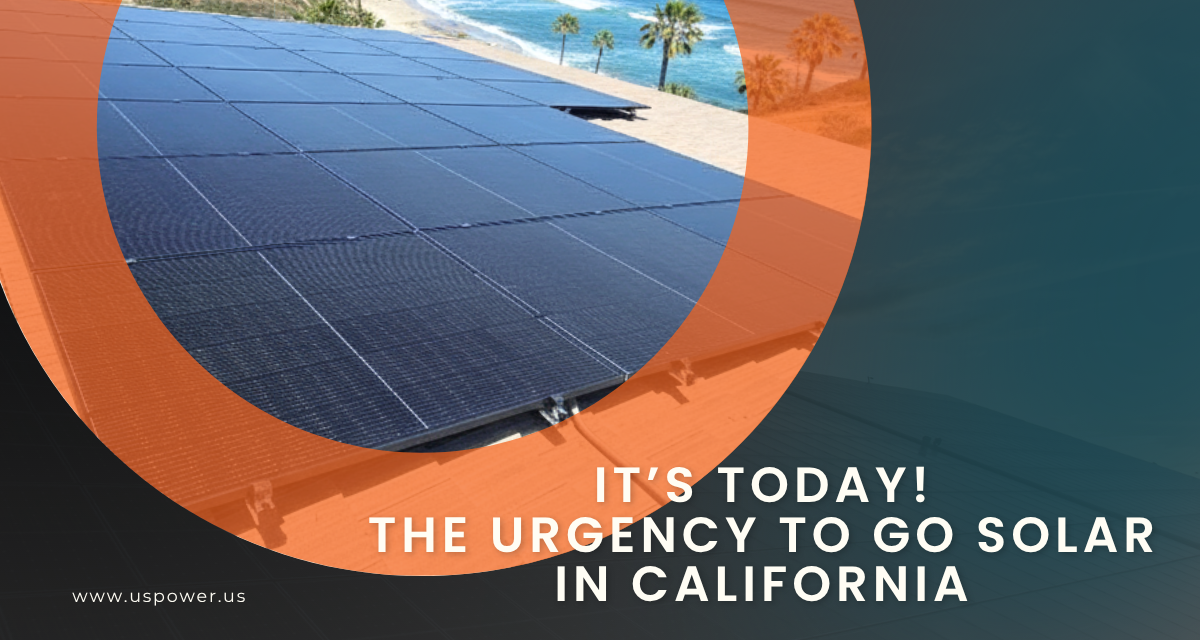
Los incentivos solares en California no durarán. Tome el control. Disfrute el ahorro.








¿Listo para tomar el control de tu energía? ¡Llámanos hoy!
818-650-8010Licencia de contratista n.º: 1144368

Copyright © 2026 US Power - Axia by QCells. Todos los derechos reservados.
¡Obtenga un presupuesto solar al instante mediante satélite!