

Reemplace su techo plano correctamente antes de instalar paneles solares en el sur de California.
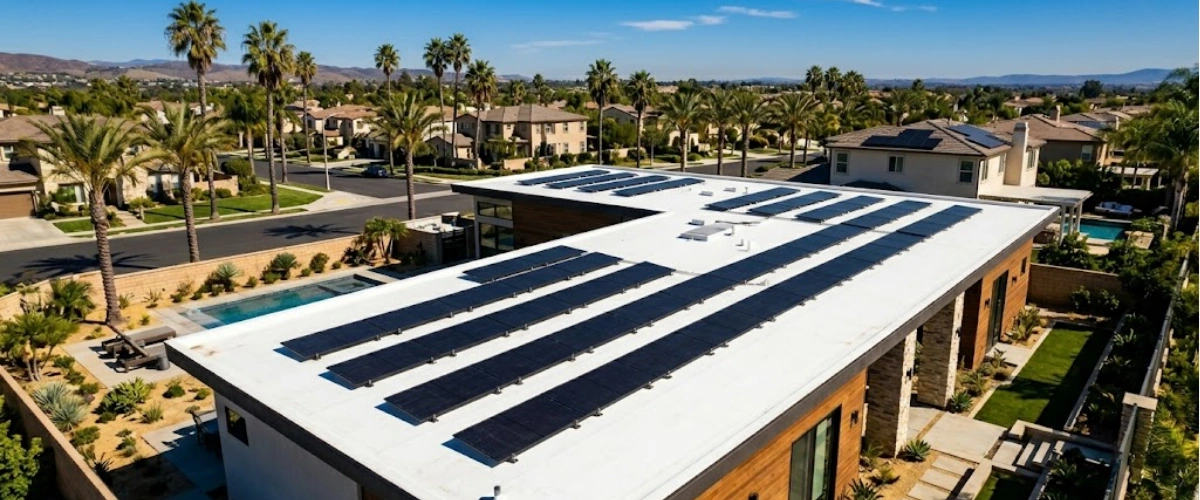
Sí, los techos planos pueden soportar paneles solares siempre y cuando se evalúen primero la estructura, la impermeabilización, el drenaje y el método de fijación. Por lo general, es recomendable reemplazar o reparar un techo antiguo antes de instalar los paneles.
Por fin ha decidido pasarse a la energía solar. Entonces, un techador le dice que primero debe cambiar su techo de alquitrán y grava de 25 años. Ahora se enfrenta a presupuestos que oscilan entre los 12 000 y los 26 000 dólares y se pregunta qué material de techado es el adecuado para una instalación solar.
No está solo. Esta es una de las preguntas más frecuentes que se hacen los propietarios de viviendas en el sur de California antes de dar el paso. Tomar la decisión correcta sobre el techo a la primera significa que no tendrá que pagar por retirar y volver a instalar los paneles años después, cuando el techo finalmente ceda.
Esta guía detalla qué material para techos planos funciona mejor bajo los paneles solares, cuál es un precio justo en Los Ángeles, el condado de Orange y San Diego, y cómo coordinar ambos proyectos sin sorpresas.
Un techo de alquitrán y grava de 25 años probablemente haya llegado al final de su vida útil. Los sistemas de techado multicapa suelen durar entre 10 y 25 años, lo que significa que el suyo podría haber superado ya su límite.
Si se instalan paneles solares sobre un techo deteriorado, habrá que retirar cada panel cuando el techo falle finalmente. Eso implica pagar por la retirada y la reinstalación, además del coste total de la sustitución del techo. Realizar ambos proyectos juntos desde el principio es casi siempre más económico.
Antes de la instalación, un técnico cualificado debe evaluar el estado de la membrana, la capacidad de carga estructural, la integridad de la cubierta del techo y la pendiente de drenaje. Los techos planos pueden soportar perfectamente la energía solar, pero solo cuando la estructura subyacente es sólida y está preparada adecuadamente.
Una empresa que se encargue de instalaciones de techos residenciales junto con la energía solar identificará estos problemas antes del día de la instalación, no después.
Cuando los contratistas recomiendan sistemas diferentes, suele significar que más de una opción puede funcionar técnicamente. La verdadera pregunta es qué material se ajusta mejor a su presupuesto y a la vida útil que necesita bajo un sistema solar.
Los productos de betún modificado autoadhesivo, como Flintlastic SA, son sistemas multicapa a base de asfalto con un historial sólido de durabilidad y resistencia al tránsito peatonal. El TPO y el PVC son membranas monocapa más reflectantes y cada vez más comunes en techos planos del sur de California que requieren un rendimiento de impermeabilización a largo plazo.
Para la mayoría de los propietarios en el sur de California que combinan el reemplazo de su techo con energía solar, el TPO ofrece tres ventajas claras:
Reflectividad: La superficie blanca del TPO refleja el calor en lugar de absorberlo, lo cual es fundamental en el intenso clima UV del sur de California. Ayuda a reducir la acumulación de calor en el techo, lo que prolonga la vida útil de la membrana.
Resistencia de las juntas: Las juntas termosoldadas soportan mejor las variaciones de temperatura del sur de California que las uniones adhesivas o aplicadas con soplete, especialmente en los puntos de penetración donde los soportes solares atraviesan la membrana.
Alineación de la vida útil: El TPO suele durar entre 20 y 30 años. Si su sistema solar tiene una garantía de 25 años, su techo debería seguir el mismo cronograma. El betún modificado dura entre 15 y 25 años y podría necesitar un reemplazo antes de que sus paneles lleguen al final de su vida útil.
El PVC ofrece una durabilidad y resistencia química superiores, pero suele ser más costoso que el TPO. El betún modificado autoadhesivo sigue siendo una opción válida cuando el costo inicial es la principal preocupación. El riesgo principal es una discrepancia en la vida útil que obligue a reemplazar el techo a mitad de la vida del sistema solar, lo que conlleva costos adicionales por la retirada de los paneles.
Esa diferencia es normal y depende de la elección de materiales, la retirada completa y eliminación del antiguo sistema de alquitrán y grava, las reparaciones de la cubierta descubiertas tras la retirada, el tamaño del techo, el acceso al lugar y las tarifas laborales regionales. Los condados de Los Ángeles, Orange y San Diego tienen costos laborales más altos que otras partes de California.
Para un techo plano de 850 pies cuadrados en el sur de California con retirada completa e instalación de TPO, la mayoría de los propietarios deben esperar un presupuesto en el rango de $10,000 a $18,000. Los presupuestos de $12,000 son competitivos en el extremo inferior. Los presupuestos cercanos a los $26,000 deben incluir una explicación clara de lo que justifica ese costo adicional, ya sea reparaciones en la cubierta, mayor grosor de la membrana o mejoras en el sellado de penetraciones para sistemas solares.
Pregunte siempre a cada contratista si el presupuesto incluye el sellado para sistemas solares. Ese detalle afecta directamente el costo de su instalación solar.
La mayoría de los propietarios gestionan a un techador y a un instalador solar que nunca se comunican entre sí. El techador no sabe dónde se colocarán los soportes. El equipo solar descubre que las penetraciones no se sellaron correctamente. Usted termina en medio tratando de resolverlo.
US Power gestiona ambos como un solo proyecto. Como socio exclusivo de Qcells con precios directos de fábrica entre un 15 y un 20% por debajo del mercado, los consultores con licencia CSLB de US Power diseñan el alcance del techo y el sistema solar en conjunto. Vea instalaciones reales completadas en California en proyectos recientes de energía solar y techado, y lea la experiencia de otros propietarios en reseñas de clientes verificadas.
US Power respalda cada instalación con una garantía integral de 25 años que cubre paneles, mano de obra y rendimiento. Ese nivel de cobertura solo tiene sentido cuando el techo debajo está diseñado para durar lo mismo, razón por la cual los alcances de techado y energía solar siempre se planifican juntos.
La Tarifa de Facturación Neta de California, NEM 3.0, redujo el valor de la energía solar exportada a la red en aproximadamente un 75% en comparación con NEM 2.0. Esto significa que el autoconsumo es ahora mucho más valioso que la exportación, y las baterías domésticas son las que hacen posible el autoconsumo a gran escala.
Las tarifas pico de SCE en 2026 pueden alcanzar los $0.74 por kWh. Cada kilovatio-hora que obtienes de una batería en lugar de la red durante esas horas te ahorra esa tarifa completa, no un crédito de exportación reducido.
Añadir almacenamiento en baterías al mismo tiempo que el techo y los paneles solares evita una segunda ronda de permisos e inspecciones. El programa de reembolsos SGIP de California ofrece hasta $1,000 por kWh de capacidad de batería para propietarios que califiquen, lo que puede compensar significativamente los costos de almacenamiento.
Explore la gama completa de servicios de paneles solares y almacenamiento en baterías para ver cómo es un sistema completo en el sur de California.
Reemplazar un techo plano de 25 años antes de instalar paneles solares protege cada dólar que invierte en paneles, baterías e instalación. El TPO es la opción más sólida en general para la mayoría de los propietarios en el sur de California cuando el objetivo es un rendimiento a largo plazo bajo energía solar.
Las tarifas de SCE y SDG&E no van a bajar. Una consulta gratuita con US Power le brinda una imagen clara del estado del techo, la preparación para energía solar y cómo serán sus ahorros mensuales reales antes de gastar un solo dólar.


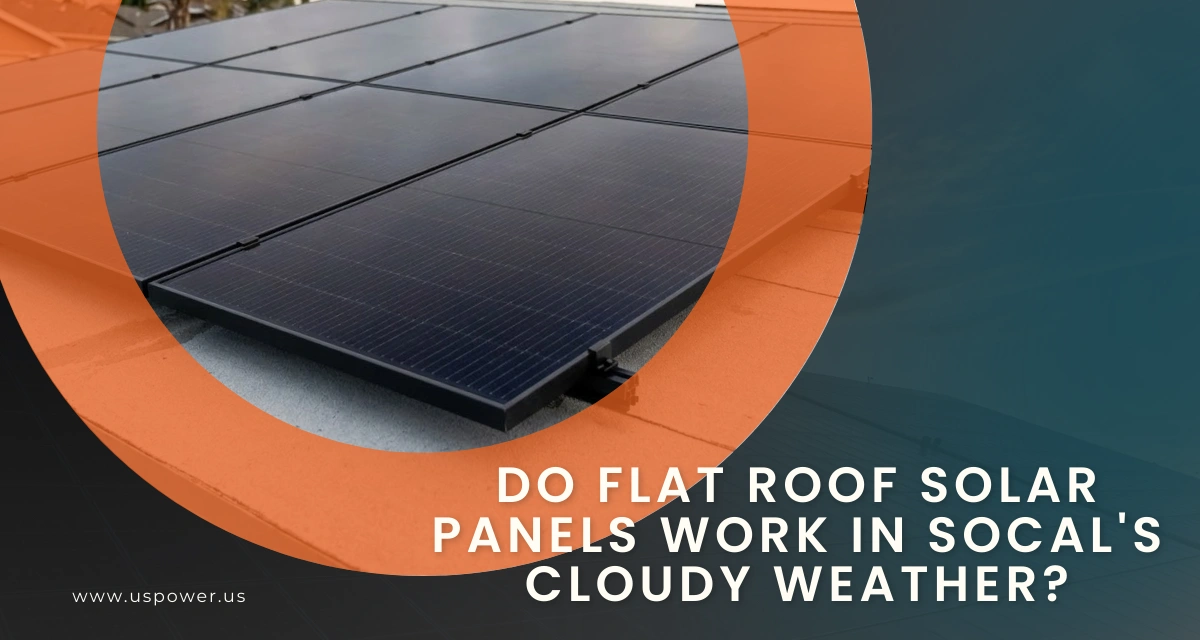
El tiempo vuela, tu azotea es tu mejor activo solar esta temporada de neblina.

Facturas al alza frente a promesas solares: vea lo que dicen los números reales.
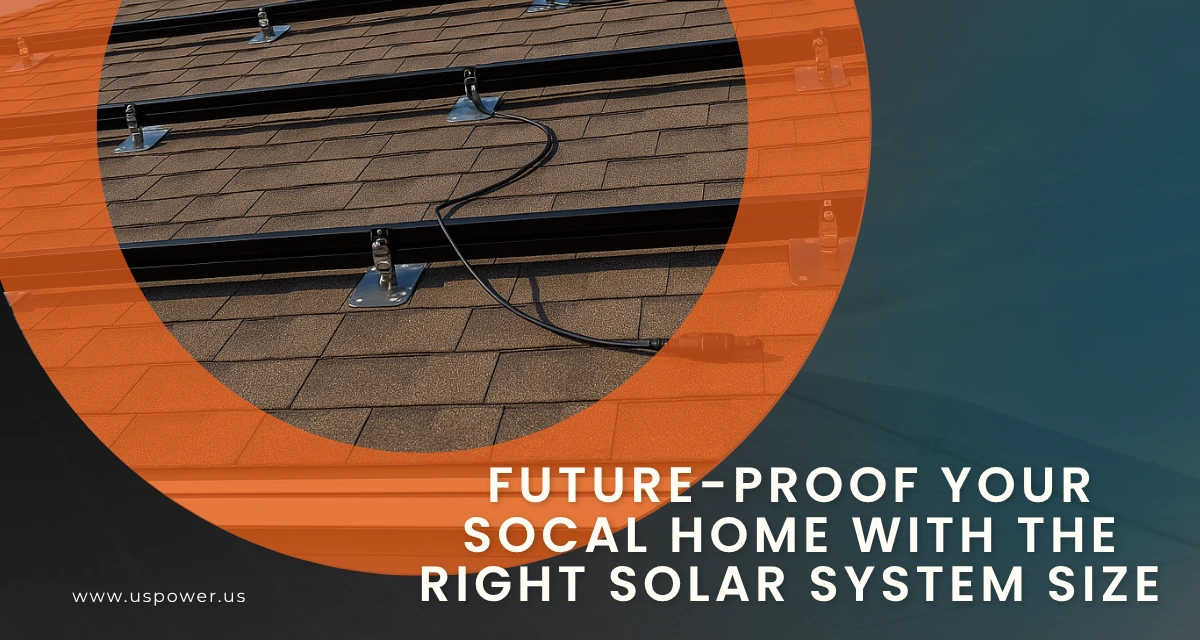
¿Conexión a 2026? Su sistema aún puede optar al crédito fiscal solar del 30%.









¿Listo para tomar el control de tu energía? ¡Llámanos hoy!
818-650-8010Licencia de contratista n.º: 1144368

Copyright © 2026 US Power - Axia by QCells. Todos los derechos reservados.
¡Obtenga un presupuesto solar al instante mediante satélite!