

Los paneles inteligentes suenan muy bien, pero ¿merecen la pena los más de 8000 $ que cuestan en California?
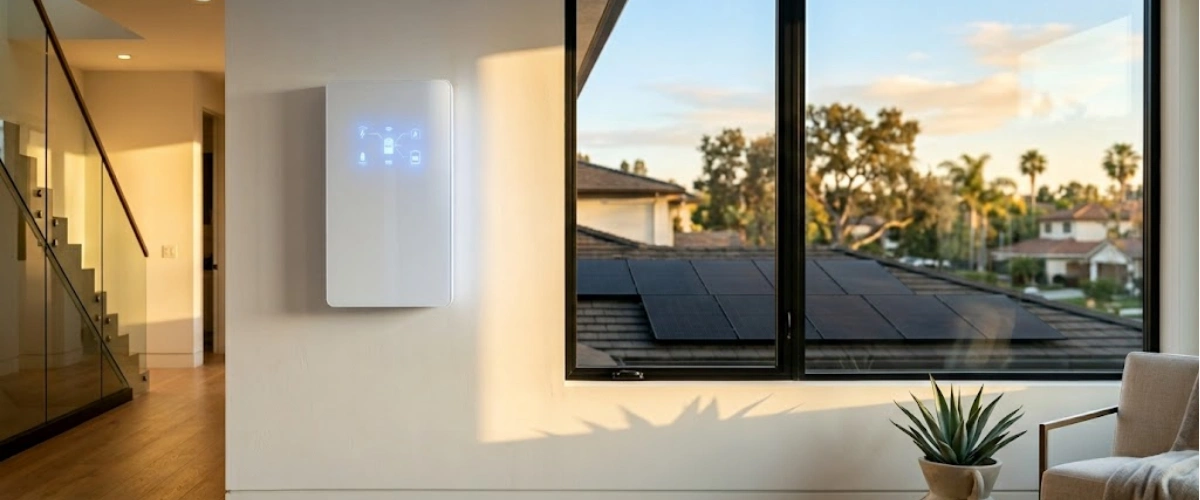
Probablemente haya visto los anuncios. Una elegante caja blanca reemplaza su antiguo cuadro eléctrico. Abre una aplicación y puede apagar cualquier circuito de su casa desde su teléfono. Parece sacado de una película de ciencia ficción, y paneles inteligentes como SPAN lo están convirtiendo en realidad.
Pero esta es la pregunta que se hace todo propietario en California: ¿realmente vale la pena el dinero?
Con las tarifas de SCE subiendo casi un 13% y PG&E reestructurando su facturación para 2026, cada dólar que invierta en mejoras energéticas para el hogar debe contar. Antes de invertir más de 8000 $ en un panel inteligente, veamos qué obtiene realmente y si existe una forma más inteligente de reducir sus facturas.
Un panel eléctrico inteligente reemplaza la caja de interruptores tradicional de su hogar por un sistema conectado y controlado por aplicación. En lugar de una fila de interruptores que debe accionar manualmente, obtiene monitorización a nivel de circuito, control remoto y gestión automática de carga, todo desde su teléfono inteligente.
SPAN es la marca más conocida. A principios de 2026, el gigante eléctrico Eaton invirtió 75 millones de dólares en SPAN, una señal de que los paneles inteligentes están pasando de ser una tecnología de nicho a una herramienta esencial para la gestión energética del hogar.
Aquí es donde se vuelve realmente impresionante. Un panel inteligente como SPAN le permite:
Esa última función es la que más valoran los propietarios. En California, donde tanto PG&E como SCE realizan cortes de energía por seguridad pública (PSPS), la capacidad de priorizar automáticamente qué circuitos permanecen encendidos durante un apagón es realmente útil.
Aquí es donde muchos propietarios se llevan una sorpresa. La unidad del panel SPAN cuesta entre 3500 $ y 4500 $. Pero si se tiene en cuenta la instalación, que requiere un electricista autorizado por SPAN, el coste total suele situarse entre 8000 $ y 9500 $ para la mayoría de los hogares en California.
Compare eso con el reemplazo de un panel estándar, que suele costar entre 2000 $ y 3500 $. Estamos hablando de un sobrecoste de aproximadamente 4000 $ a 6000 $ en comparación con una actualización convencional.
Es una cantidad considerable. Y es la primera pregunta que debe responder con honestidad: ¿qué obtiene a cambio de esa inversión adicional?
Los paneles inteligentes suelen venderse bajo la promesa de reducir la factura eléctrica entre un 10% y un 20% gracias a una mejor gestión y control del consumo. Suena convincente hasta que haces los números.
Si tu factura actual de SCE es de 250 $ al mes, un ahorro del 15% supone 37,50 $ al mes, es decir, 450 $ al año. A ese ritmo, el sobrecoste de 5.000 $ respecto a un panel estándar tardaría más de 11 años en amortizarse solo con el ahorro del monitoreo.
Es mucho tiempo de espera, especialmente cuando las tarifas eléctricas en California —y las oportunidades de ahorro con energía solar— están cambiando constantemente.
Para ser justos, existen situaciones específicas donde un panel inteligente resulta más rentable.
Si vas a electrificar todo tu hogar. Si planeas instalar un cargador para vehículo eléctrico, una bomba de calor, una cocina de inducción y un calentador de agua eléctrico al mismo tiempo, la gestión de carga de un panel inteligente puede evitarte una costosa actualización de la acometida eléctrica. La función PowerUp de SPAN puede ahorrar entre 3.000 $ y 8.000 $ en actualizaciones de servicio eléctrico para instalaciones de vehículos eléctricos; es una cifra real que vale la pena considerar.
Si tienes energía solar y baterías bajo NEM 3.0. Bajo las normas actuales de medición neta de California, cómo las baterías solares pueden maximizar tus ahorros depende en gran medida de cuándo consumes y almacenas energía. Un panel inteligente puede automatizar el funcionamiento de tus electrodomésticos para maximizar el autoconsumo de la batería y evitar los cargos por horas punta, algo que ahora es más importante que nunca.
Si deseas gestionar cortes de energía de forma remota. Si viajas con frecuencia y te preocupa que ocurra un evento de corte preventivo (PSPS) mientras no estás en casa, poder desconectar circuitos no esenciales desde una aplicación tiene un valor real. Es una tranquilidad a la que no se le puede poner precio fácilmente.
Bajo NEM 3.0, los créditos por exportación de energía solar varían drásticamente según la hora del día. Programar automáticamente el lavavajillas, el cargador del vehículo eléctrico o la lavadora para que funcionen durante las horas óptimas, sin tener que preocuparte, es exactamente para lo que están diseñados los paneles inteligentes. Si tienes una batería y quieres exprimir cada dólar de tu sistema, este tipo de automatización aporta un valor genuino. Por qué los paneles solares por sí solos no son suficientes en 2026 es un tema que cada vez más propietarios en California están debatiendo, y la gestión inteligente de la energía es parte de la solución.
Si tu objetivo principal es entender mejor el consumo energético de tu hogar, existe una opción mucho más asequible. Los monitores de energía como el Emporia Vue cuestan entre 150 $ y 200 $ y se conectan a tu panel actual para ofrecerte datos de consumo por circuito a través de una aplicación.
No obtendrás control remoto de circuitos ni desconexión automática de cargas. Pero si lo que buscas es información —saber qué circuitos te cuestan más—, un monitor puede ofrecerte gran parte de ese valor por apenas el 2% del coste.
Impulsar el ahorro solar con monitoreo inteligente no siempre requiere la herramienta más cara. Para los propietarios que sienten curiosidad por su consumo pero no están listos para invertir 9.000 $ en un panel inteligente, empezar con un monitor es un paso razonable.
Esto es lo que realmente le importa a la mayoría de los propietarios: pagar menos cada mes. Y para los hogares de California en 2026, la forma más probada de reducir drásticamente las facturas es combinar la energía solar con el almacenamiento en baterías.
¿Valen la pena las baterías para la energía solar en California? La respuesta corta es sí, especialmente bajo NEM 3.0. Un sistema de energía solar y baterías bien dimensionado puede reducir tu factura de SCE o PG&E entre un 40% y un 70%, amortizándose normalmente en 4 o 5 años con las tarifas actuales. Es un retorno de inversión mucho más rápido que el que ofrece el ahorro por monitoreo de un panel inteligente por sí solo.
Un instalador profesional lo resumió así: "Un reemplazo de panel estándar completo puede costar alrededor de $3,500. Un panel inteligente instalado cuesta entre $7,500 y $8,500. Yo invertiría esos $4,000 adicionales en más paneles solares".
Es un consejo honesto. Más paneles significan más producción. Más producción significa más ahorros. La lógica es directa.
Si está añadiendo almacenamiento con baterías a su hogar en California, el Programa de Incentivos de Autogeneración (SGIP, por sus siglas en inglés) puede compensar significativamente su costo. Los reembolsos del SGIP de California para baterías domésticas se otorgan por orden de llegada y pueden devolverle desde cientos hasta miles de dólares en sistemas de baterías que califiquen.
Este dinero reduce directamente el costo de su batería, lo cual, a diferencia de un panel inteligente, genera ahorros continuos en su factura que puede medir mes a mes.
Las tarifas residenciales de SCE aumentaron aproximadamente un 13% a finales de 2025. PG&E reestructuró su facturación en marzo de 2026, añadiendo un nuevo cargo fijo por servicios básicos mientras reducía las tarifas por kWh; un cambio que afecta la forma en que se optimizan los sistemas solares y de baterías.
En resumen: los costos de los servicios públicos en California han aumentado más del 32% desde 2014, y la tendencia no se revierte. Cada kilovatio-hora que produce su sistema solar reemplaza electricidad que hoy cuesta más que el año pasado. Ese entorno de tarifas al alza acelera la recuperación de la inversión solar y hace que las decisiones energéticas inteligentes sean más urgentes.
US Power trabaja con cientos de propietarios en el sur de California cada año, y la conversación suele empezar de la misma manera: "¿Cómo dejo de pagar tanto a SCE o PG&E?"
La respuesta honesta rara vez es "compre primero un panel inteligente de $9,000". Por lo general es: comience con energía solar y baterías, optimice su sistema para NEM 3.0 y luego evalúe si otras mejoras para el hogar inteligente tienen sentido una vez que tenga una base sólida.
Elegir el respaldo adecuado para los hogares del sur de California es una decisión que debe considerar su consumo real, su presupuesto y sus objetivos, no solo la tecnología más llamativa disponible.
Como socio exclusivo de QCells en California, US Power ofrece paneles solares fabricados en EE. UU. a precios directos de fábrica, generalmente entre un 15% y un 20% por debajo de lo que pagaría en otros lugares. Cada sistema incluye una garantía integral de 25 años que cubre paneles, mano de obra y rendimiento. Y con un plazo de instalación de 3 a 4 semanas tras la aprobación y más de 200 reseñas de cinco estrellas en Google, usted obtiene rapidez y confianza.
Nuestros consultores con licencia CSLB no intentan venderle de más. Le ayudan a entender lo que debe saber antes de instalar energía solar en California y a diseñar un sistema que realmente se ajuste a su hogar y a su presupuesto.
Los paneles eléctricos inteligentes son una tecnología realmente impresionante. El monitoreo a nivel de circuito, la gestión automática de cortes de energía y la optimización para NEM 3.0 son funciones reales con un valor real, especialmente para los propietarios que están electrificando su hogar con energía solar, baterías y vehículos eléctricos.
Pero para la mayoría de los propietarios en California, el sobrecosto de $4,000 a $6,000 frente a un panel estándar tarda demasiado en recuperarse solo mediante los ahorros del monitoreo. El camino más rápido y probado para reducir las facturas es combinar energía solar con almacenamiento en baterías, y los reembolsos del SGIP de California hacen que esa combinación sea aún más accesible.
No deje que el entusiasmo por la tecnología para el hogar inteligente le distraiga de lo fundamental. Su factura de servicios públicos está subiendo. La mejor inversión es aquella que la reduce.


Te cobran el doble por la energía solar. Elige una empresa solar de confianza.
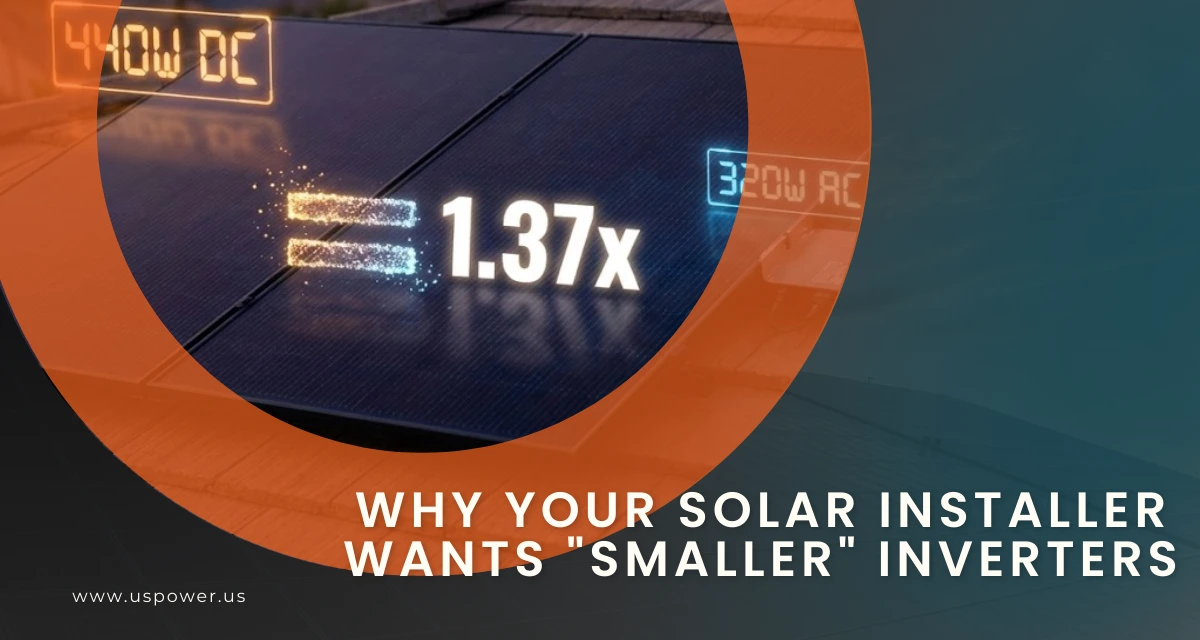
Ese inversor "pequeño" en tu presupuesto solar no es un truco, es ingeniería pura.

Aprende a elegir instaladores de baterías solares fiables para tu hogar en 2025.








¿Listo para tomar el control de tu energía? ¡Llámanos hoy!
818-650-8010Licencia de contratista n.º: 1144368

Copyright © 2026 US Power - Axia by QCells. Todos los derechos reservados.
¡Obtenga un presupuesto solar al instante mediante satélite!