

Tanto Tesla como Qcells fabrican paneles solares robustos, pero difieren notablemente en la estructura de la garantía, la velocidad de instalación y el soporte local. Esto es lo que realmente importa para tu tejado en California en 2026.
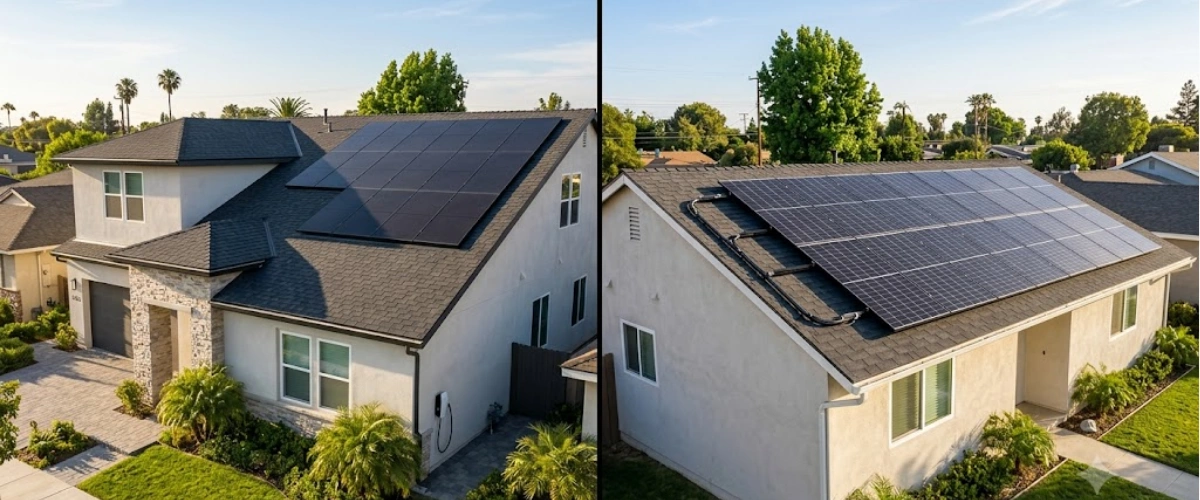
Ambos son paneles sólidos, pero difieren en la estructura de la garantía, la velocidad de instalación y el soporte local. La línea actual TSP de Tesla cuenta con una garantía de 25 años. Compara los detalles para tu tejado en California antes de decidir.
Has reducido tu búsqueda a dos nombres. Tesla, porque el reconocimiento de marca y su elegante diseño totalmente negro son difíciles de ignorar. Qcells, porque sigue apareciendo como el panel que la mayoría de los instaladores locales realmente colocan en los tejados. Ambas son opciones legítimas para un hogar en el sur de California en 2026, pero no son el mismo producto con una etiqueta diferente.
Esta guía desglosa las especificaciones reales, los términos de garantía y los plazos de instalación de ambos, para que puedas decidir basándote en hechos y no en publicidad.
La entrada de Tesla en el sector solar residencial cambió la forma en que la gente compra. En lugar de investigar fabricantes de paneles desconocidos, los propietarios comienzan con un nombre en el que ya confían por el coche que tienen en su garaje. Esa familiaridad es poderosa, pero no es lo mismo que entender lo que estás comprando.
Las calificaciones de eficiencia importan menos de lo que sugiere la mayoría de la publicidad una vez que superas el 19 por ciento. Lo que realmente separa una buena inversión solar de una mediocre es la estructura de la garantía, quién instala tu sistema y la rapidez con la que pasas de un contrato firmado a un sistema que realmente genera energía. Si todavía estás elaborando tu lista de candidatos, nuestra guía sobre cómo elegir los mejores paneles solares para tu hogar repasa los fundamentos antes de comparar marcas específicas.
Tesla vende ahora sus propios paneles de marca, la serie TSP, con una garantía de producto y rendimiento de 25 años. La garantía de rendimiento asegura al menos el 98 por ciento de la potencia nominal después del primer año, con una degradación limitada a aproximadamente el 0,45 por ciento anual a partir de entonces. La eficiencia se sitúa entre el 19 y el 21 por ciento, lo cual es competitivo pero no líder en su clase.
Los sistemas Tesla suelen costar entre 2,30 y 3,30 dólares por vatio en 2026, dependiendo del tamaño del sistema y la región. La empresa también ofrece una garantía de igualación de precios frente a presupuestos comparables, lo cual es un punto a su favor si lo que más te importa es la certeza del precio.
Aquí es donde la experiencia con Tesla se aleja de lo que la mayoría de los propietarios del sur de California esperan. Los informes del sector sobre las instalaciones de 2026 sitúan el plazo realista desde la firma del contrato hasta la activación del sistema entre tres y cinco meses, a veces más dependiendo de los retrasos en los permisos de tu jurisdicción. Tesla utiliza una combinación de equipos internos y subcontratistas externos según la demanda del mercado, y los tiempos de respuesta del servicio al cliente han sido inconsistentes según las reseñas agregadas. Si la velocidad de instalación y tener un único punto de responsabilidad son importantes para ti, vale la pena leer sobre cosas que debes saber antes de comparar presupuestos solares antes de firmar con cualquier instalador, incluido Tesla.
Los paneles Qcells se fabrican en Dalton, Georgia, y US Power los obtiene directamente a través de una asociación exclusiva con la fábrica. Esto elimina los márgenes de los distribuidores, que es como US Power ofrece precios entre un 15 y un 20 por ciento por debajo de la tarifa del mercado en sistemas comparables. No está comprando un panel con otra marca de un proveedor desconocido. Sabe exactamente quién lo fabricó y dónde.
US Power respalda cada instalación de Qcells con una garantía integral de 25 años que cubre paneles, mano de obra y rendimiento bajo un mismo acuerdo. No hay una garantía de inversor por separado que rastrear ni una cláusula de rendimiento con términos diferentes a los de la garantía del producto. Cada equipo es empleado de US Power, no un subcontratista rotativo, y la mayoría de las instalaciones en el sur de California se completan en 3 a 4 semanas desde la aprobación hasta la activación, no en meses. ¿Tiene curiosidad sobre cómo se verán en su techo? Vea cómo se comparan los paneles solares totalmente negros en cuanto a estética, ya que Qcells ahora ofrece opciones genuinas completamente negras que rivalizan con el diseño de Tesla.
Ambas marcas se sitúan en un rango de eficiencia similar, aproximadamente entre el 19 y el 22 por ciento, dependiendo del modelo específico. Las tasas de degradación también son cercanas, con Tesla limitándose al 0.45 por ciento anual y las líneas premium de Qcells con un rendimiento comparable. Ninguna de las marcas tiene una ventaja significativa aquí para la mayoría de los techos residenciales.
Esta es la verdadera diferencia. Tesla divide su garantía en una garantía de panel de 25 años y una garantía separada y más corta de 10 años para la mano de obra y el inversor. Qcells a través de US Power incluye los tres aspectos (paneles, mano de obra y rendimiento) bajo un mismo acuerdo de 25 años. Si algo sale mal en el año 12, no tendrá que preocuparse por averiguar qué garantía se aplica y qué empresa es la responsable.
Los plazos reportados por Tesla en 2026 son de tres a cinco meses debido a las colas de permisos y la programación de subcontratistas en mercados de alta demanda. Los equipos internos de US Power y la cadena de suministro directa de Qcells hacen que la mayoría de las instalaciones locales se terminen en 3 a 4 semanas después de la aprobación del permiso. Para un propietario que intenta asegurar ahorros antes de que llegue otro aumento de tarifas, esa diferencia no es pequeña.
Si ya posee un vehículo Tesla o una Powerwall y desea que todo funcione a través de una sola aplicación, los paneles Tesla hacen que esa integración sea perfecta. La transparencia de precios a través de su herramienta de cotización en línea también es realmente útil si desea una cifra aproximada sin una llamada de ventas. Si está combinando paneles con carga de vehículos eléctricos en casa, vale la pena leer nuestra guía sobre cómo dimensionar paneles solares para la carga de vehículos eléctricos independientemente de la marca que elija.
Si desea que su sistema se instale en semanas en lugar de meses, una garantía única que cubra todo el sistema y un equipo local al que pueda llamar directamente si algo sale mal, Qcells a través de US Power es la opción más adecuada. Este es también el mejor camino si está considerando una Tesla Powerwall junto con paneles que no sean de Tesla, ya que combinar paneles Qcells con baterías de otras marcas es una configuración común y bien respaldada.
Tanto Tesla como Qcells son paneles capaces y con buena garantía. La verdadera decisión depende de lo que suceda después de firmar. Tesla ofrece familiaridad con la marca e integración de aplicaciones, pero con una garantía dividida y plazos de instalación que se extienden durante meses. Qcells a través de US Power ofrece precios directos de fábrica, una garantía única de 25 años que cubre todo su sistema e instalaciones que terminan en semanas, no en estaciones, respaldadas por más de 200 reseñas de cinco estrellas de propietarios de viviendas en el sur de California. Si desea respuestas honestas sobre qué se adapta a su techo, hágase solar con US Power hoy mismo y obtenga una consulta gratuita y sin compromiso.


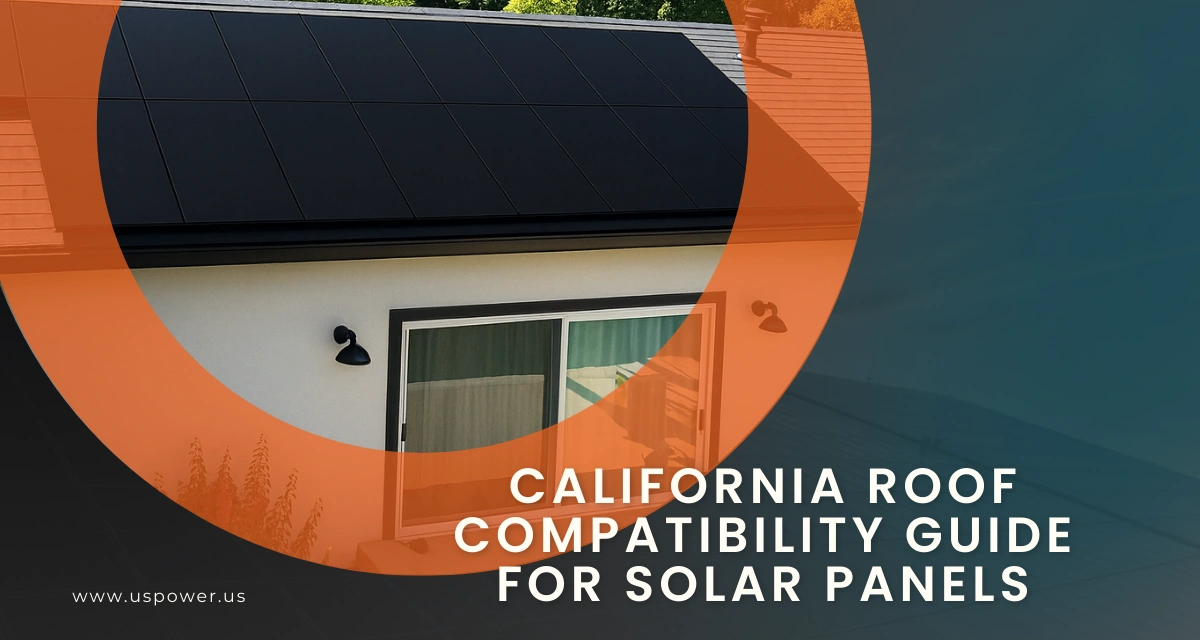
El tipo de techo residencial en CA no debe impedirle ahorrar en su factura eléctrica.
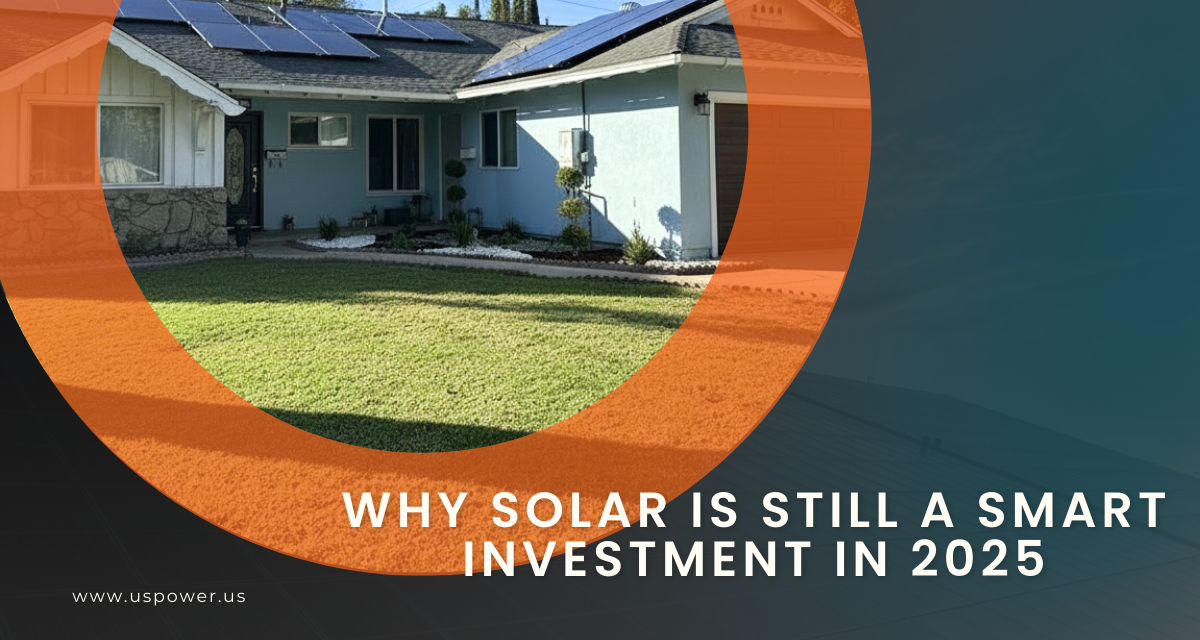
Descubre por qué invertir en energía solar sigue siendo rentable durante el año 2025.
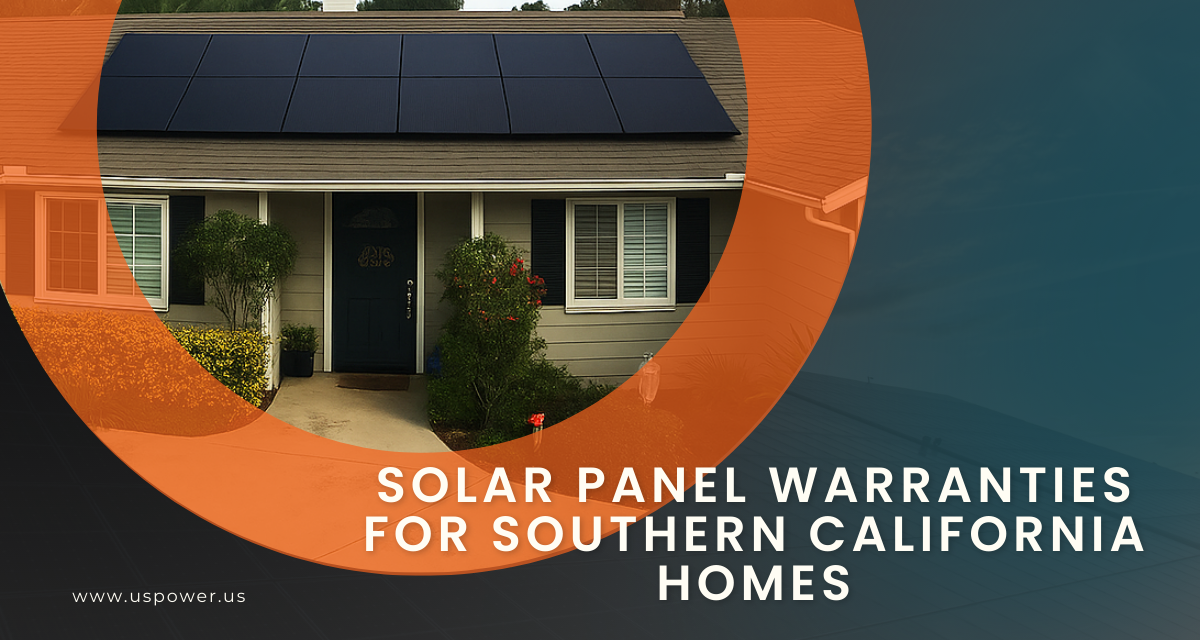
Descubra por qué los dueños de casas en SoCal deben conocer las garantías solares.







¿Listo para tomar el control de tu energía? ¡Llámanos hoy!
818-650-8010Licencia de contratista n.º: 1144368

Copyright © 2026 US Power - Axia by QCells. Todos los derechos reservados.
¡Obtenga un presupuesto solar al instante mediante satélite!